1. Introduction
People enter businesses, apartment complexes, and public spaces every day with the expectation that the property is reasonably safe.
When a property owner fails to repair dangerous conditions, ignores safety hazards, or provides inadequate security, that trust is broken — often resulting in serious or life-altering injuries.
California law places responsibility on property owners, managers, and occupiers to maintain their premises in a reasonably safe condition. Injured visitors are not required to bear the consequences of hazards that should have been discovered, corrected, or warned against.
This guide explains how California premises liability law works and the legal options available when unsafe property conditions cause injury.
At WIN Injury & Accident Trial Lawyers, we are highly experienced in premises liability claims and represent individuals and families harmed by dangerous property conditions. Together, we hold negligent property owners accountable under California law.
2. What Is Premises Liability?
Premises liability is the area of law that holds property owners, occupiers, and managers legally responsible when someone is injured due to unsafe conditions on their property.
A claim may arise when a property:
- Contains a dangerous condition that was not repaired
- Lacks adequate warnings about hidden hazards
- Is poorly maintained or improperly designed
- Has inadequate lighting, security, or safety features
- Creates a foreseeable risk of injury to visitors
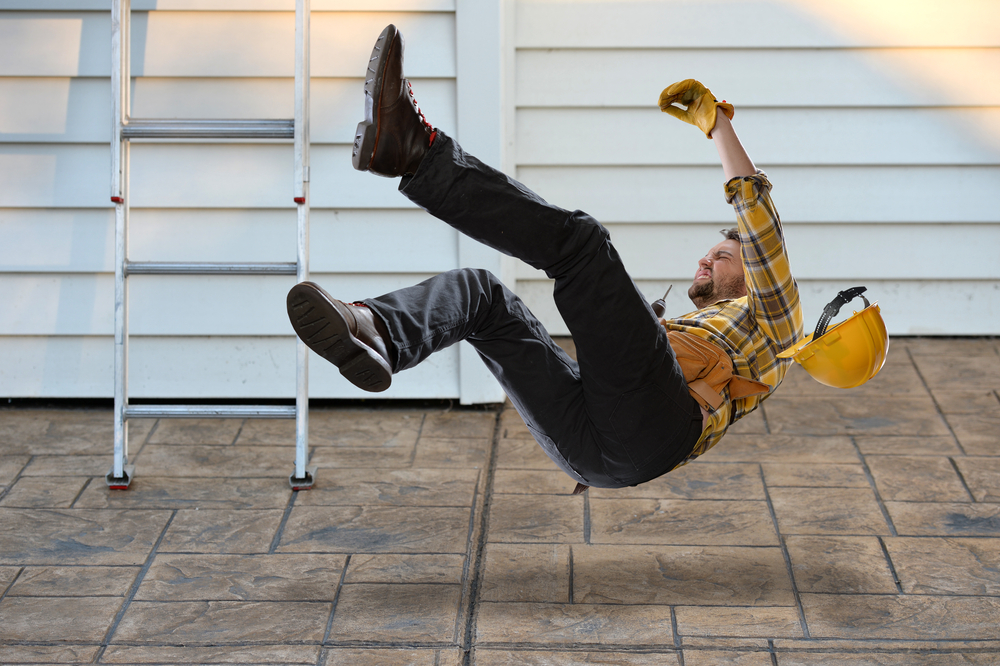
Some of the most common injuries take place at Construction Sites and Grocery Stores.
California law requires property owners to take reasonable steps to inspect, maintain, and repair their premises. When they fail to do so, injured individuals may recover compensation for the harm caused — even without proving intentional misconduct.
Who Can Be Held Responsible in a Premises Liability Case?
| Entity | How They May Be Liable |
|---|---|
| Property Owners | Liable for failing to maintain the property in a reasonably safe condition or to repair known or discoverable hazards. |
| Landlords | Liable for dangerous conditions in common areas or for failing to address known safety issues within leased premises. |
| Property Management Companies | Liable when they assume responsibility for maintenance, inspections, or repairs and fail to correct hazardous conditions. |
| Commercial Tenants | Liable for unsafe conditions within the areas they occupy or control, including customer-facing spaces. |
| Business Operators | Liable for hazards created by operations, staffing, or inadequate safety procedures that put patrons or workers at risk. |
| Homeowners’ Associations (HOAs) | Liable for dangerous conditions in common areas they control, such as walkways, pools, parking lots, or stairwells. |
| Public Entities | Liable for dangerous conditions on public property when statutory notice and liability requirements are met. |
| Contractors & Maintenance Companies | Liable when they create hazardous conditions, perform negligent repairs, fail to follow safety standards, or leave work areas unsafe for foreseeable users. |
The Core Question
Every premises liability case turns on one central issue:
Was the property unreasonably dangerous at the time the injury occurred due to the owner’s failure to maintain, repair, or warn of the hazard?
If so, California law provides strong remedies for people injured by unsafe property conditions.
3. California Causes of Action in Premises Liability
California law recognizes multiple causes of action in premises liability cases, depending on how an injury occurred. While many claims are based on ordinary negligence, others arise from statutory violations or dangerous property conditions. Identifying the correct legal theory is critical to holding all responsible parties accountable.
- Ordinary Negligence. Failure by a property owner, occupier, or manager to use reasonable care in maintaining safe premises (duty, breach, causation, damages).
- Dangerous Condition of Property – Strict or Statutory Liability (Limited). Liability imposed by statute without traditional negligence proof in limited premises-based contexts (e.g., dog-bite liability under Cal. Civ. Code § 3342).
- Premises Liability – Owner/Occupier Duty. Failure to inspect, maintain, repair, or warn of dangerous conditions on the property (Cal. Civ. Code § 1714(a); CACI 1220–1221).
- Negligent Security. Failure to provide reasonable security measures where criminal activity was foreseeable.
- Violation of Building, Safety, or Accessibility Codes (Negligence Per Se). Failure to comply with applicable building, fire, or accessibility codes, including Title 24 and local ordinances.
- Public Entity Liability. Dangerous conditions on public property (Cal. Gov. Code §§ 835–840).
- Attractive Nuisance. Failure to protect children from hazardous conditions likely to attract them (CACI 1231).
Key California Statutes & Regulations
- Cal. Civ. Code § 1714(a) – General duty of care
- Cal. Gov. Code §§ 835–840 – Dangerous conditions on public property
- Cal. Health & Safety Code § 115875 et seq. – Building standards
- Cal. Code Regs., Title 24 – Fire, accessibility, and structural codes
- Local ordinances – City and county maintenance requirements
Code compliance is often the turning point in liability disputes.
Applicable Jury Instructions – Premises Liability (CACI)
| Category | Instruction | Title / Use |
|---|---|---|
| General Negligence | CACI 400 | Negligence – Essential Factual Elements |
| CACI 417 | Breach of Duty in Premises Context | |
| Premises Liability – Core Duty | CACI 1000 | Premises Liability – Basic Duty of Care |
| CACI 1001 | Premises Liability – Control of Property | |
| CACI 1220 | Duty to Keep Premises Reasonably Safe | |
| CACI 1221 | Warning Against Concealed Dangers | |
| Notice of Dangerous Condition | CACI 1007 | Notice of Dangerous Condition – Essential Factual Elements |
| CACI 1008 | Actual or Constructive Notice | |
| Inspection & Maintenance | CACI 1010 | Reasonable Inspection |
| CACI 1011 | Failure to Repair or Correct Dangerous Condition | |
| Public Entity Liability | CACI 1200 | Dangerous Condition of Public Property (Gov. Code § 835) |
| Negligent Security | CACI 1005 | Negligent Security – Essential Factual Elements |
| CACI 1006 | Foreseeability of Criminal Conduct | |
| Attractive Nuisance | CACI 1231 | Attractive Nuisance |
| Causation | CACI 430 | Causation – Substantial Factor |
| CACI 431 | Multiple Causes | |
| Comparative Fault | CACI 405 | Comparative Fault of Plaintiff |
| CACI 406 | Apportionment of Responsibility | |
| Multiple Defendants | CACI 371 | Responsibility of Multiple Defendants |
| CACI 372 | Joint and Several Liability (Economic Damages) |
Expert Witnesses You’ll Need
Expert testimony is often critical in premises liability cases, especially where liability or causation is disputed. Qualified experts help explain why a condition was unsafe, how it violated safety standards or codes, and how the injury occurred. Identifying the right experts early can significantly strengthen the case and increase its settlement and trial value.
- Premises-safety engineers (flooring, stairs, handrails, slip resistance)
- Security consultants (foreseeability, staffing, lighting, cameras)
- Code-compliance specialists (building, fire, ADA/Title 24)
- Accident-reconstruction experts
- Medical experts (causation, permanency, future care)
Investigation & Evidence Checklist
- Preservation letter to owner/manager
- Immediate site inspection; as-found photos/videos
- Incident reports and maintenance logs
- Surveillance footage (with chain of custody)
- Witness statements (employees and patrons)
- Building plans, permits, and inspection reports
- Code-violation notices or citations
- EMS, ER, and follow-up medical records
Early preservation is critical—hazards get repaired and footage gets overwritten.
Damages & Remedies
- Economic damages: medical bills, future care, lost wages, loss of earning capacity
- Non-economic damages: pain, suffering, emotional distress, loss of enjoyment
- Punitive damages: where conduct shows conscious disregard for safety
- Equitable relief: code-compliance orders or injunctive remedies (where appropriate)
FAQs & Downloadables
- What should I do immediately after a slip-and-fall?
Get medical care, photograph the hazard, identify witnesses, report the incident, and avoid recorded statements until you’ve spoken with counsel. - How long do I have to file?
Typically two years for private defendants; government claims have much shorter deadlines (often months). - Downloadables:
- Checklist: Documenting a Dangerous Condition
- Sample Preservation Letter to Property Owner
Related Resources & Deep Dives
- Evidence Needed to Win a Premises Liability Case
- Common Defenses Property Owners Use
- When Multiple Defendants Share Premises Liability
- Parking Lot and Garage Injury Claims
- Government Property Injury Claims (City, County, State)
- Building Code Violations and Property Owner Responsibility
- What Counts as a “Dangerous Condition” of Property
- Time Limits for Filing Premises Liability Lawsuits in California
- Comparative Fault in Premises Liability Cases
- Duties Owed to Invitees, Licensees, and Trespassers
- Proving Notice: Actual vs. Constructive Knowledge
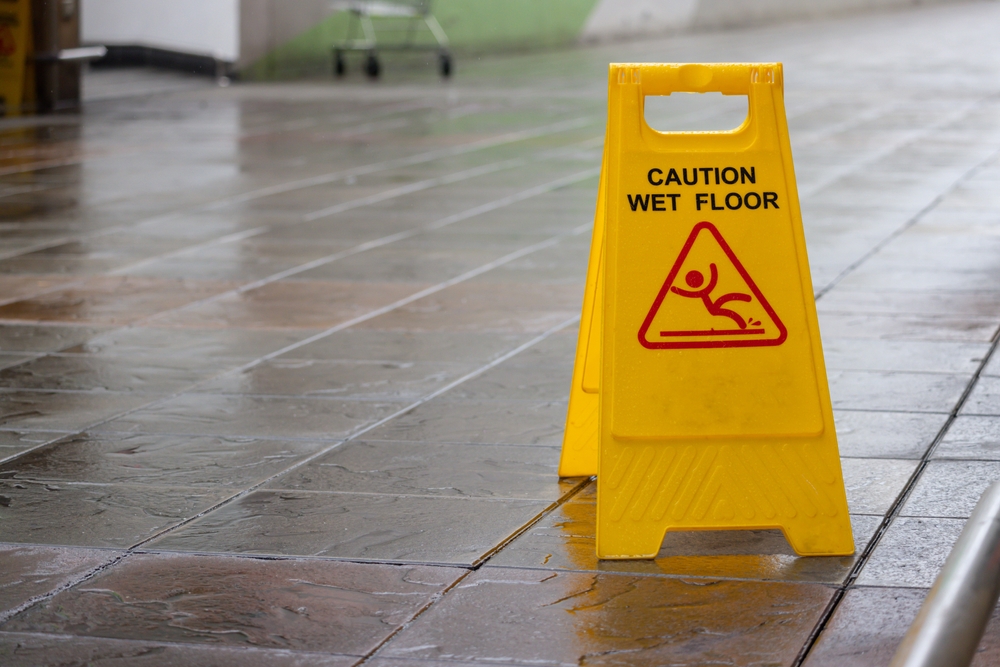
- Slip and Fall Accidents Under California Premises Liability Law
- Negligence Per Se in Premises Liability Cases
- ADA & Title 24 Violations as Evidence of Negligence
- Foreseeability in Premises Liability Claims
- Commercial Property Owner Liability vs. Residential Liability
- Liability for Third-Party Criminal Acts on Private Property
- Stairway, Handrail, and Walkway Injury Cases
- Hotel, Apartment, and Retail Premises Liability Claims
Why WIN
Premises cases are won on details, deadlines, and proof. Our team moves fast to preserve evidence, retain the right experts, and present clean, jury-ready liability theories. If you were injured because a property wasn’t made safe, we’re ready to help.
Free consultation. No fee unless we win.
Get Help From WIN Injury & Accident Trial Lawyers
Why Legal Representation Matters
Insurance companies often undervalue pain and suffering—offering minimal settlements that ignore your daily struggles. A skilled attorney can:
- Present powerful evidence of your emotional and physical suffering
- Retain expert witnesses to quantify your losses
- Use verdict data to justify higher multipliers or per diem rates
- Argue your case persuasively before a jury
At WIN Trial Lawyers, our team fights to ensure that your recovery reflects the full extent of your suffering—not just your bills.

At WIN Trial Lawyers, we know how personal injury claims can be can be. Victims often face mounting medical bills, lost wages, and emotional trauma. Our team has successfully taken on insurance companies and third parties, recovering millions for injured clients.
If you or a loved one has been injured in an accident, don’t leave your future in the hands of the insurance company. You need experienced trial lawyers who know how to prove liability and fight for maximum compensation.
If you or a loved one has been injured, don’t face this alone. The sooner you act, the stronger your case will be.