
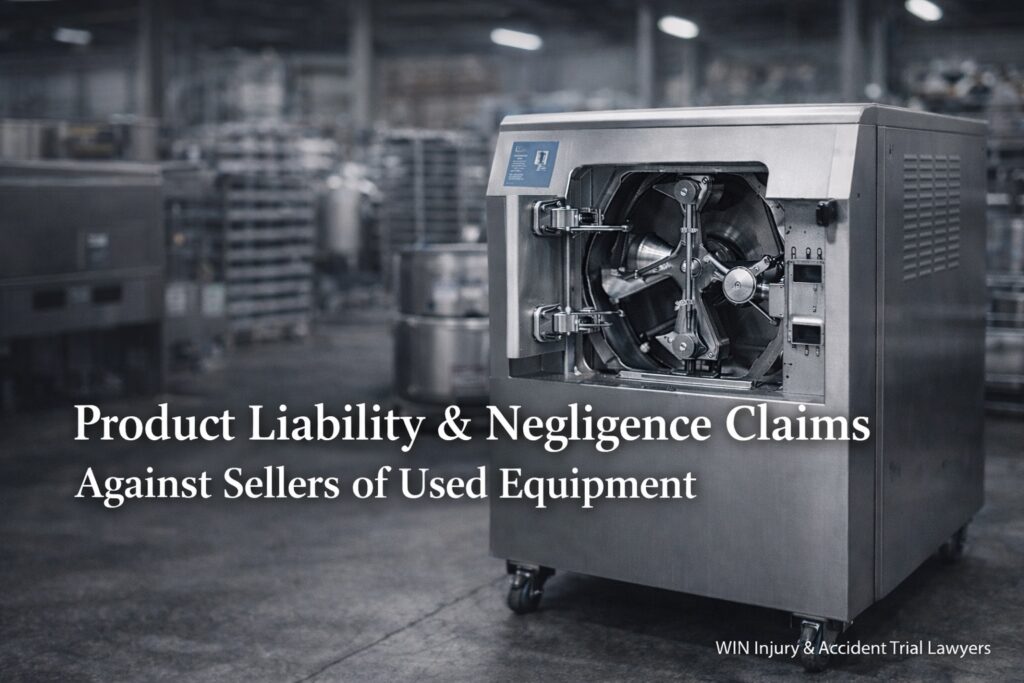
Many people assume that product liability law only applies to brand-new products. That assumption is wrong.
In reality, wholesalers and retailers that sell used, refurbished, reconditioned, or surplus equipment can face serious legal exposure when that equipment is dangerous at the time of sale. In industrial and workplace settings, these cases often involve catastrophic injuries that were entirely preventable had the seller met basic safety obligations.
At WIN Injury & Accident Trial Lawyers, we represent injured workers and consumers in product liability and negligence cases involving used and refurbished equipment—particularly where sellers put profit ahead of safety.
This guide explains how liability arises, what duties sellers owe, and how these cases are proven.
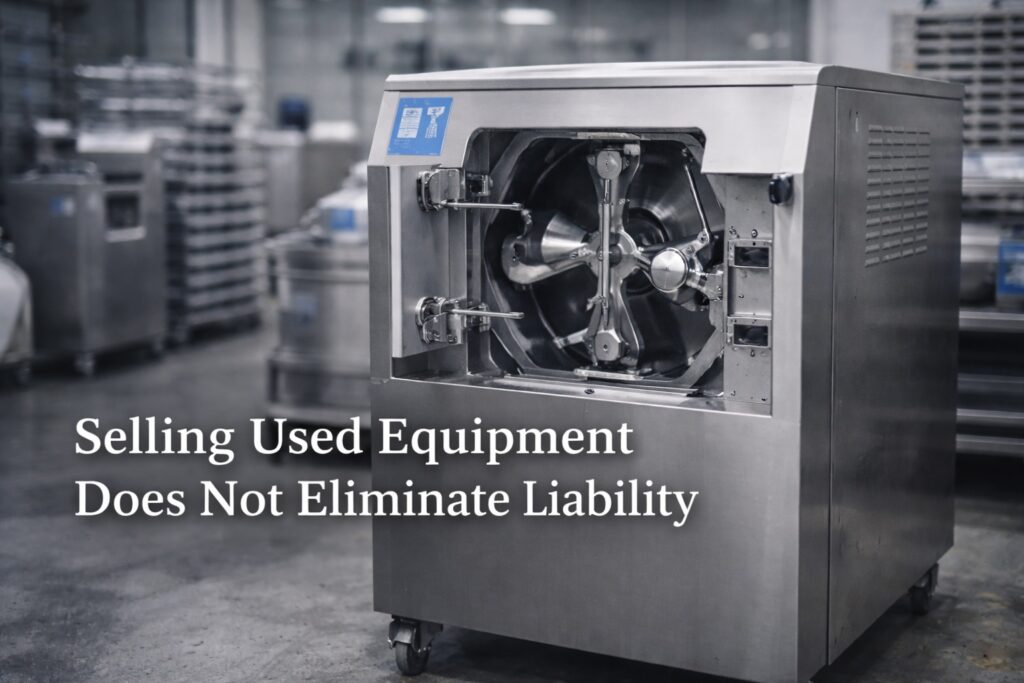
Selling Used Equipment Does Not Eliminate Liability
Wholesalers and retailers are not limited to selling new products. Many routinely sell:
- Used industrial machinery
- Refurbished or reconditioned equipment
- Surplus or decommissioned machines
- Returned, resale, or secondary-market equipment
When sellers place used equipment back into the stream of commerce, they may assume new and independent legal duties, particularly when the equipment is sold for active use in workplaces, manufacturing facilities, or commercial environments.
The law recognizes a critical distinction:
Selling used equipment is permitted—but selling dangerous equipment is not.
“Used” does not mean “buyer beware.”
If equipment is unsafe in its condition at the time of sale, liability may attach regardless of age, prior ownership, or original manufacture.
Courts routinely reject attempts by sellers to avoid responsibility simply by labeling machinery as “used” when the seller had the ability, opportunity, and expertise to identify and address obvious safety risks before resale.
When Product Liability Applies to Used Equipment
Product liability claims may arise against sellers of used equipment when the product is unreasonably dangerous at the time it is sold or delivered.
Common scenarios include when:
- The equipment is unsafe in its existing condition
- Safety features required for safe operation are missing, disabled, bypassed, or degraded
- The machine was not restored to OEM safety specifications despite being marketed as “refurbished,” “reconditioned,” or “ready for use”
- Known hazards, limitations, or required upgrades were not disclosed to buyers or end users
In these cases, liability is based on the condition of the product at the time of sale, not whether the seller originally designed or manufactured it.
Courts recognize that sellers who profit from reselling equipment are often in a far better position than workers or consumers to:
- Identify obvious or foreseeable safety defects
- Restore or replace basic safety systems
- Warn purchasers and users about known risks or limitations
Product liability law exists to prevent sellers from shifting the risk of unsafe equipment onto individuals who had no role in selecting, inspecting, or modifying the machinery.
Negligence Claims Against Sellers of Used Equipment
In addition to strict product liability, sellers of used equipment may also be held liable under negligence principles, which focus on whether the seller acted reasonably under the circumstances.
Negligence claims often arise when sellers fail to:
- Inspect equipment before resale
- Repair or refurbish known safety defects
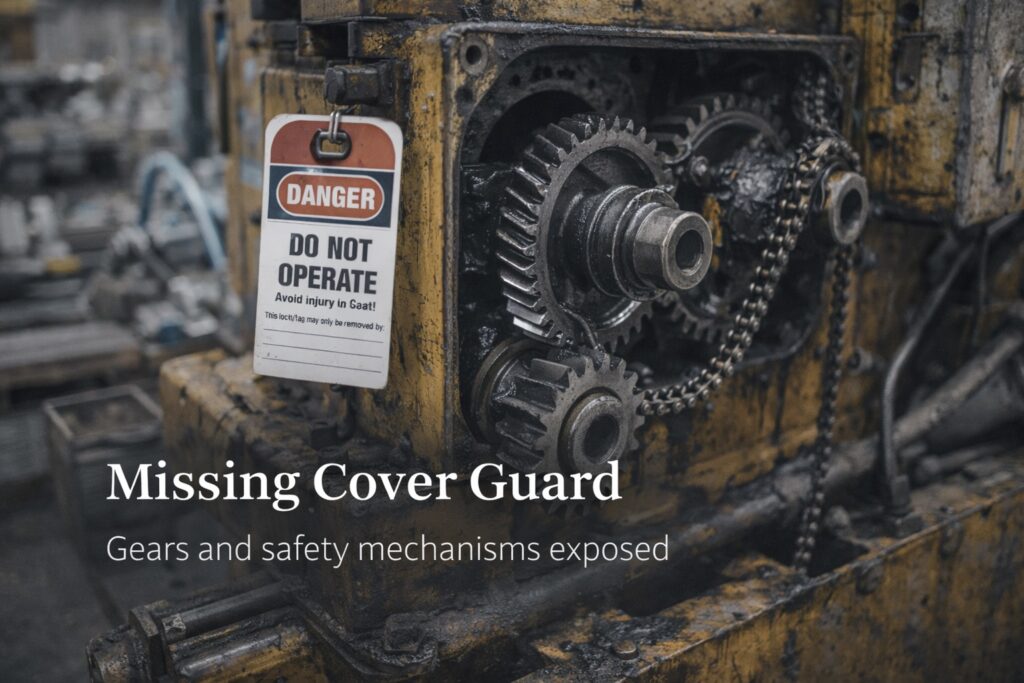
- Replace missing guards, covers, or safety interlocks
- Warn buyers about limitations, hazards, or required safety upgrades
- Follow industry standards, OEM guidance, or accepted safety practices
Negligence is particularly relevant when sellers hold themselves out as knowledgeable or specialized entities, or when they undertake actions that go beyond a simple resale.
Why Partial Refurbishment and Representations Increase Liability
Negligence exposure increases significantly when sellers:
- Perform partial refurbishment or reconditioning
- Modify equipment in any way
- Represent machinery as “safe,” “certified,” “inspected,” or “reconditioned”
Once a seller takes steps to refurbish, certify, or market equipment as suitable for use, courts are more likely to find that the seller assumed a duty to ensure the equipment was reasonably safe—or to clearly disclose what safety standards it did not meet.
Failing to do so can expose sellers to both product liability and negligence claims when injury occurs.
Key Principle
A seller cannot avoid responsibility by saying, “It was used,” when:
- The equipment was dangerous when sold, and
- The danger should have been identified, corrected, or disclosed before resale
When sellers choose to put unsafe used equipment back into circulation, the law places responsibility where it belongs—on those who profit from the sale, not on the injured user.
Common Dangerous Conditions in Used Equipment Cases
Liability frequently arises when used or refurbished equipment is sold with:
- Missing guards, covers, or enclosures
- Disabled emergency stops or interlocks
- Degraded electrical, hydraulic, or pneumatic systems
- Removed sensors or warning systems
- Outdated or non-compliant safety configurations
These conditions are particularly dangerous because end users often assume refurbished equipment has been inspected and made safe.
OEM Specifications and Refurbishment Duties
When wholesalers or retailers refurbish or recondition equipment—or sell equipment represented as “ready for use”—they may have a duty to:
- Restore the machine to OEM safety specifications, or
- Clearly warn that the equipment does not meet OEM or current safety standards
Failure to do either can create liability when injury occurs.
Courts often view sellers with technical knowledge—especially those operating in industrial or medical equipment markets—as sophisticated entities held to a higher standard of care.
Workplace Injuries and Third-Party Claims
These cases arise frequently in workplace settings, particularly where employers purchase used or refurbished machinery as a cost-saving measure. While buying used equipment may reduce upfront expenses, it often shifts hidden safety risks onto workers who have no role in the purchasing or refurbishment decisions.
When a worker is injured by defective or dangerous used equipment:
- The employer is typically protected by workers’ compensation laws, which limit the worker’s ability to sue the employer directly, and
- The seller of the dangerous used equipment—such as a wholesaler, retailer, or refurbisher—may face third-party product liability and negligence claims
These third-party claims are critical because they allow injured workers to pursue full civil damages that workers’ compensation does not provide, including:
- Pain and suffering
- Disfigurement or permanent scarring
- Full future earnings losses
- Loss of enjoyment and quality of life
In many serious injury cases, third-party claims against equipment sellers are the only avenue for meaningful financial recovery beyond limited workers’ comp benefits.
Common Defenses (And Why They Often Fail)
Sellers of used equipment frequently attempt to avoid liability by shifting blame to buyers or end users. Common defenses include:
- “The buyer knew it was used.”
- “We didn’t manufacture it.”
- “We sold it as-is.”
While these arguments are often raised early and aggressively, they frequently fail under product liability and negligence law, particularly where worker safety is involved.
Courts routinely reject these defenses when:
- The equipment was dangerous in its condition at the time of sale
- Safety hazards were obvious, foreseeable, or well-known in the industry
- The seller had the ability and opportunity to inspect, repair, refurbish, or warn before resale
“As-is” language may limit certain contract claims, but it does not automatically shield sellers from liability for personal injuries caused by unsafe products. Sellers cannot contract away their duty to avoid placing unreasonably dangerous equipment into the stream of commerce.
Why Courts Take a Hard Line on These Defenses
Allowing sellers to avoid responsibility simply by labeling equipment as “used” or “as-is” would shift the cost of preventable injuries onto workers, who are least able to inspect, modify, or refuse unsafe machinery.
Product liability and negligence law exist to ensure that:
- Those who profit from selling equipment bear the cost of injuries, not the injured worker
- Dangerous equipment is identified and removed from circulation
- Sellers take safety obligations seriously before resale
When used machinery causes workplace injuries, courts focus less on the labels used in sales contracts and more on a fundamental question:
Was this equipment reasonably safe when it was sold—or should the danger have been addressed before it reached the worker?
That question often determines liability.
How These Cases Are Proven
Product liability and negligence claims involving used equipment often rely on:
- Engineering and safety experts
- OEM manuals and specifications
- Inspection and refurbishment records
- Evidence of missing or disabled safety systems
- Industry standards and prior incidents
At WIN Injury & Accident Trial Lawyers, we trace the full history of the equipment—before and after resale—to identify where safety failed and who is responsible.
Key Takeaway
Wholesalers and retailers cannot avoid responsibility simply by labeling equipment as “used.”
When sellers place dangerous used or refurbished equipment back into circulation—without inspection, repair, or proper warnings—they may be held liable under product liability and negligence law.
If you or someone you love was injured by used or refurbished equipment, it is critical to investigate not just the manufacturer—but the seller who put it back into service.
Get Help From WIN Injury & Accident Trial Lawyers
Why Legal Representation Matters
Insurance companies often undervalue pain and suffering—offering minimal settlements that ignore your daily struggles. A skilled attorney can:
- Present powerful evidence of your emotional and physical suffering
- Retain expert witnesses to quantify your losses
- Use verdict data to justify higher multipliers or per diem rates
- Argue your case persuasively before a jury
At WIN Trial Lawyers, our team fights to ensure that your recovery reflects the full extent of your suffering—not just your bills.

At WIN Trial Lawyers, we know how personal injury claims can be can be. Victims often face mounting medical bills, lost wages, and emotional trauma. Our team has successfully taken on insurance companies and third parties, recovering millions for injured clients.
If you or a loved one has been injured in an accident, don’t leave your future in the hands of the insurance company. You need experienced trial lawyers who know how to prove liability and fight for maximum compensation.
If you or a loved one has been injured, don’t face this alone. The sooner you act, the stronger your case will be.
🔗 Related Posts:
Frequently Asked Questions: Workplace Injuries, Used Equipment, and Third-Party Claims
Can I sue if I was injured at work by used machinery?
Yes. While workers’ compensation usually prevents lawsuits against your employer, you may be able to bring a third-party product liability or negligence claim against the seller of the used or refurbished equipment that caused your injury.
Who can be sued in a third-party claim involving used equipment?
Depending on the facts, liable parties may include:
- Wholesalers or retailers that sold the equipment
- Companies that refurbished or reconditioned the machinery
- Authorized resellers or distributors
- OEMs involved in resale or certification
Liability focuses on who placed the dangerous equipment back into the stream of commerce.
Does it matter that the equipment was “used” or “refurbished”?
Used status does not automatically eliminate liability. If the equipment was unsafe when sold, lacked required safety features, or was not restored to OEM safety specifications, the seller may still be legally responsible.
What damages can I recover in a third-party claim?
Unlike workers’ compensation, third-party claims may allow recovery for:
- Pain and suffering
- Disfigurement or permanent scarring
- Full future earnings losses
- Loss of quality of life
These claims often make a significant difference in total recovery.
What if the seller says the buyer knew the equipment was used?
That defense often fails. Courts focus on whether the equipment was dangerous at the time of sale and whether hazards were foreseeable or correctable, not on whether the buyer knew it was used.
Does “as-is” language protect sellers of used equipment?
Generally, no. “As-is” provisions may limit warranty claims, but they do not automatically bar personal injury claims where unsafe equipment causes harm.
Can a seller be liable even if it didn’t manufacture the machine?
Yes. Manufacturing the equipment is not required for liability. Participation in selling or distributing a defective or dangerous product can be enough under product liability law.
What if the equipment was modified after it was sold?
Liability depends on the facts. If the equipment was already unsafe at the time of sale—or if foreseeable modifications made it dangerous—the seller may still be liable. Early investigation is critical.
How do courts decide whether a seller should have inspected or repaired used equipment?
Courts look at factors such as:
- The seller’s expertise and sophistication
- Industry standards and OEM guidance
- Whether hazards were obvious
- Whether refurbishment or inspection was feasible
Sellers with specialized knowledge are often held to higher standards of care.
Can a seller be liable if the employer chose to buy used equipment to save money?
Yes. Cost-saving decisions by an employer do not relieve sellers of their duty to avoid placing dangerous equipment into the stream of commerce. Liability focuses on the condition of the equipment when it was sold—not the buyer’s motivation.
What if the seller claims the equipment met safety standards when it was originally manufactured?
That argument often fails. Even if equipment met standards years earlier, sellers may still be liable if:
- Safety standards have changed
- The equipment deteriorated over time
- Required guards or systems were removed or disabled
- The machine was not restored to OEM safety specifications before resale
Are sellers required to update used equipment to modern safety standards?
Not in every case—but sellers may have a duty to address known, correctable safety hazards or clearly warn buyers when equipment does not meet current safety expectations. Courts look at feasibility, industry practice, and the seller’s expertise.
Can a seller be liable for failing to warn even if the machine still works?
Yes. A machine can function as intended and still be unreasonably dangerous. Failure-to-warn claims often arise when sellers do not disclose known hazards, limitations, or required upgrades.
What if the equipment was inspected but not fully refurbished?
Partial inspection or refurbishment can increase liability, not reduce it. When sellers take steps to inspect or repair equipment, they may assume a duty to do so reasonably and completely—or to warn about what was not addressed.
Does liability change if the seller advertises equipment as “ready for use”?
Yes. Representations that equipment is “ready for use,” “certified,” or “reconditioned” can create additional legal duties. If those representations are inaccurate or misleading, liability exposure increases significantly.
Can sellers be liable for injuries caused by missing guards or covers?
Yes. Missing guards are one of the most common and most serious bases for liability in used-equipment cases—especially when the absence is obvious and easily correctable before resale.
How long after a sale can a third-party claim be brought?
Time limits depend on when the injury occurred and applicable statutes of limitation—not simply when the equipment was sold. Injuries caused by latent defects may arise long after resale.
What if the seller says the equipment was sold “as-is” to a business, not a consumer?
“As-is” language does not automatically shield sellers from personal injury claims, even in business-to-business transactions. Courts focus on safety, foreseeability, and the seller’s role in placing dangerous equipment into use.
Why are these cases especially important for workplace injuries?
Because workers typically:
- Do not choose the equipment
- Cannot refuse unsafe machinery
- Have limited workers’ compensation benefits
Third-party claims ensure that the true cost of unsafe equipment is borne by sellers who profit from it, not by injured workers.
How does WIN Injury & Accident Trial Lawyers help in these cases?
WIN investigates the full lifecycle of the equipment, identifies every responsible seller or refurbisher, works with engineering and safety experts, and pursues all available insurance coverage to maximize recovery.
📞 Contact WIN Injury & Accident Trial Lawyers for a free consultation.
We pursue third-party claims aggressively—especially when dangerous used equipment injures workers.