
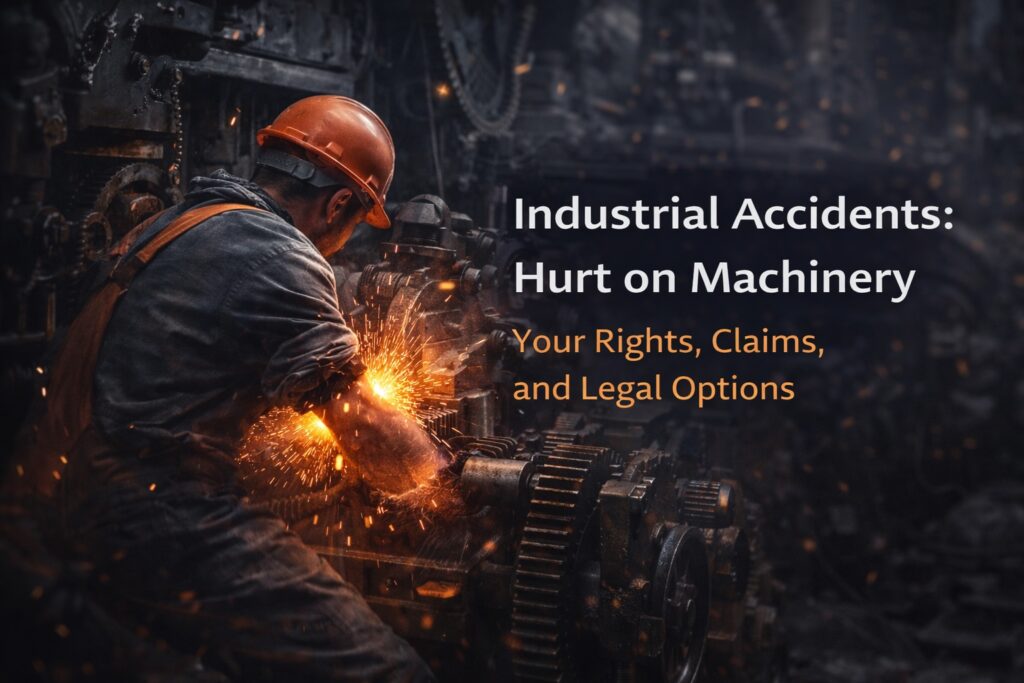
Industrial worksites rely heavily on powerful machinery to keep operations moving. But when machines malfunction, lack proper safeguards, or are operated unsafely, the results can be catastrophic. Workers injured by industrial machinery often suffer severe, life-altering injuries that require extensive medical treatment, time away from work, and long-term care.
If you were hurt in an industrial accident involving machinery, you may have more than one legal option available. Understanding your rights is critical to protecting your health, income, and future.
At WIN Trial Lawyers, we represent workers and families affected by serious industrial accidents and fight to hold negligent parties fully accountable.
What Is an Industrial Machinery Accident?
An industrial machinery accident occurs when a worker is injured by heavy equipment, powered tools, or automated systems commonly used in manufacturing plants, warehouses, construction sites, refineries, and other industrial facilities. These machines are designed to perform repetitive, high-force tasks—but when something goes wrong, the consequences can be severe.
Machinery accidents often happen suddenly and without warning, leaving workers little or no time to react. Unlike many other workplace injuries, these incidents frequently involve extreme mechanical force, making even a brief malfunction or operator error potentially devastating.
These accidents often involve:
- Crushing forces, where a worker becomes caught between moving parts or pinned against fixed structures
- Rotating or moving components, such as gears, belts, rollers, or blades that can pull in clothing or limbs
- Electrical components, including exposed wiring or energized equipment that can cause electrocution or severe burns
- High heat or pressure, which can lead to explosions, chemical burns, or thermal injuries
Because of the sheer power and speed involved, industrial machinery accidents are frequently catastrophic, resulting in amputations, spinal cord injuries, traumatic brain injuries, severe burns, or fatalities. Survivors often face permanent disabilities, extensive medical treatment, and an uncertain ability to return to work.
Common Types of Machinery Involved in Industrial Accidents
Industrial accidents can involve a wide range of machinery found across multiple industries. Some of the most common types include:
- Forklifts and powered industrial trucks, which can cause crushing injuries, rollovers, or pedestrian strikes
- Conveyor belts and automated material-handling systems, which can entangle workers or pull them into machinery
- Presses, stamping machines, and cutting equipment, often linked to amputations and severe hand injuries
- Packaging and bottling machinery, which operates at high speeds and can trap limbs in moving parts
- CNC machines and lathes, where rotating components and sharp tooling pose significant risks
- Industrial saws and grinders, capable of causing deep lacerations, amputations, and eye injuries
- Robotic arms and automated assembly lines, which may move unexpectedly or fail to detect nearby workers
In many cases, these machines are inherently dangerous and require strict safety protocols, including guarding, lockout/tagout procedures, emergency shut-off systems, and proper training.
When safety systems fail—or are intentionally disabled or bypassed to increase productivity or meet quotas—the risk of serious injury increases dramatically. Employers and manufacturers may be held accountable when cost-cutting, poor maintenance, or inadequate training leads to preventable harm.
Common Causes of Machinery-Related Injuries
Many industrial machinery accidents are entirely preventable. In most cases, serious injuries occur not because the work itself is dangerous, but because safety rules were ignored, equipment was defective, or proper safeguards were missing.
Common causes of machinery-related injuries include:
- Lack of proper machine guarding, allowing workers to come into contact with moving or rotating parts
- Defective design or manufacturing defects, where equipment is inherently unsafe even when used as intended
- Failure to maintain or repair equipment, leading to malfunctions, unexpected movements, or breakdowns
- Inadequate safety training or supervision, especially for new workers or those operating unfamiliar machinery
- Disabled or bypassed safety features, such as removed guards, overridden emergency stops, or ignored lockout/tagout procedures
- Violation of OSHA safety standards, including failure to follow required protocols for hazardous machinery
In many industrial settings, production pressure or cost-cutting leads employers or contractors to prioritize speed over safety, dramatically increasing the risk of catastrophic injury. Identifying the root cause of the accident is essential not only for preventing future harm, but also for determining whether liability exists beyond workers’ compensation, such as against a manufacturer, maintenance provider, or third-party contractor.
Common Injuries From Industrial Machinery Accidents
Machinery-related injuries are often severe, permanent, or fatal due to the immense forces involved. Unlike minor workplace accidents, these injuries frequently change a worker’s life forever.
Common injuries include:
- Amputations or crushed limbs, often involving hands, arms, legs, or feet
- Severe fractures, including complex or compound breaks requiring surgery
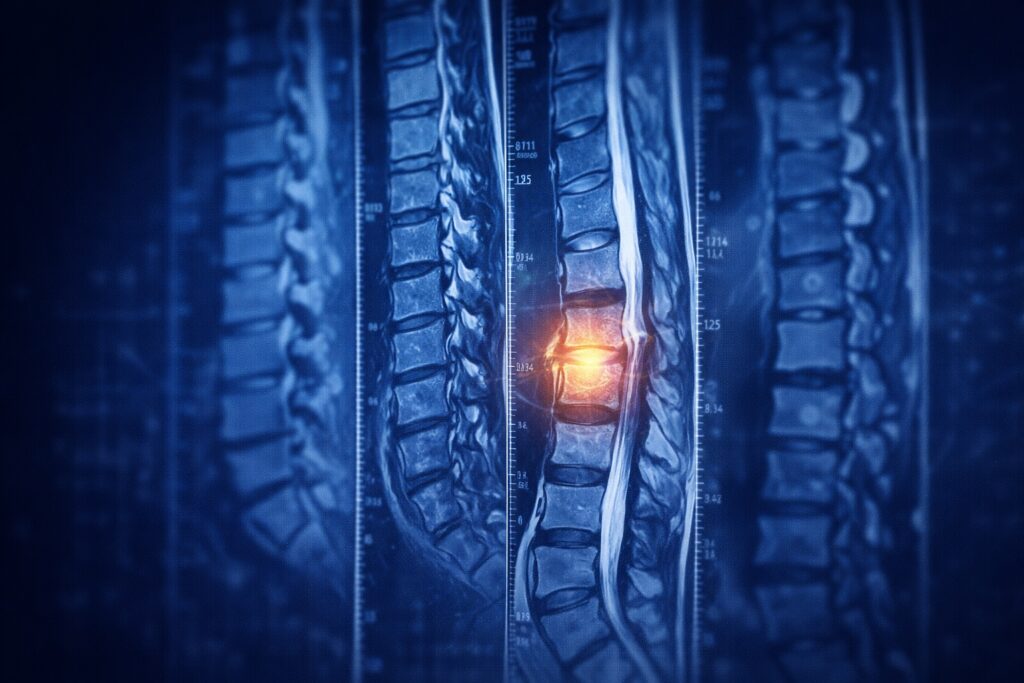
- Spinal cord injuries, which may result in partial or complete paralysis
- Traumatic brain injuries (TBI) caused by blunt force, falls, or struck-by incidents
- Severe burns or electrical injuries, including arc flash burns and electrocution
- Permanent nerve damage, leading to chronic pain, numbness, or loss of function
- Fatal injuries, tragically common in high-energy machinery accidents
These injuries frequently result in permanent disability, significant loss of earning capacity, and long-term or lifelong medical needs, including surgeries, rehabilitation, assistive devices, and ongoing care. For many injured workers and their families, the financial and emotional consequences are overwhelming—making full accountability and compensation critical.
Workers’ Compensation: Immediate Benefits
If you are injured by machinery at work, you are generally entitled to workers’ compensation benefits under California law. Workers’ compensation is designed to provide prompt medical care and partial financial support, regardless of who caused the accident.
Available benefits typically include:
- Medical treatment and rehabilitation, such as emergency care, surgery, physical therapy, medications, and follow-up treatment
- Temporary disability benefits while you are unable to work during recovery
- Permanent disability benefits if your injury results in lasting impairment
- Partial wage replacement, based on statutory formulas
- Vocational retraining or job displacement benefits if you cannot return to your prior position
Workers’ compensation is a no-fault system, meaning you do not need to prove your employer was negligent or violated safety rules to receive benefits.
However, workers’ comp has significant limitations. It does not compensate injured workers for:
- Pain and suffering
- Emotional distress
- Loss of enjoyment of life
- Full wage loss or long-term earning capacity
For workers who suffer serious or permanent injuries from machinery accidents, these limitations often leave substantial losses uncompensated.
When a Machinery Injury Becomes a Third-Party Case
In many industrial machinery accidents, someone other than your employer may be legally responsible for the injury. When this occurs, it opens the door to a third-party personal injury lawsuit, which can dramatically increase your overall recovery.
Third-party claims commonly arise when:
- A machine manufacturer designed, manufactured, or distributed defective or unreasonably dangerous equipment
- A maintenance or repair company failed to properly service or inspect machinery
- A contractor, subcontractor, or vendor created unsafe conditions on the jobsite
- A property owner or facility operator failed to correct known hazards or enforce safety standards
In these situations, you may receive workers’ compensation benefits and pursue a civil lawsuit at the same time, allowing you to seek compensation for losses that workers’ comp does not cover.
What You Can Recover in a Third-Party Machinery Accident Claim
Unlike workers’ compensation, a third-party personal injury lawsuit allows injured workers to pursue full civil damages based on the severity and long-term impact of the injury.
Recoverable damages may include:
- Pain and suffering resulting from physical injuries
- Emotional distress, trauma, and psychological harm
- Loss of enjoyment of life and limitations on daily activities
- Full wage loss and future earning capacity, not capped by workers’ comp formulas
- Out-of-pocket expenses, including transportation and home modifications
- Future medical care, rehabilitation, and assistive devices
- Punitive damages in cases involving extreme negligence or reckless conduct
In serious machinery accident cases, these damages often far exceed workers’ compensation benefits, particularly when injuries are permanent or life-altering.
Why Machinery Accident Cases Are Complex
Industrial machinery accident cases are highly complex and aggressively defended. Successfully pursuing full compensation requires detailed investigation and substantial resources.
These cases often involve:
- Preservation of the machine and accident scene before evidence is altered or destroyed
- Expert analysis of design defects, guarding failures, and safety systems
- Review of OSHA violations, inspection reports, and safety records
- Coordination between workers’ compensation and civil claims to avoid offsets and protect recovery
- Aggressive defense tactics from manufacturers, contractors, and insurance companies
These are not routine injury claims. They require experienced trial lawyers who understand industrial equipment, product liability law, and the strategic coordination necessary to pursue maximum compensation.
Deadlines Matter
Strict deadlines apply:
- Workers’ Compensation: Report the injury within 30 days and file within one year
- Personal Injury Lawsuit: Generally two years from the date of injury (shorter if a public entity is involved)
Missing a deadline can permanently bar your claim.
Cal/OSHA Investigations, Citations, and Penalties
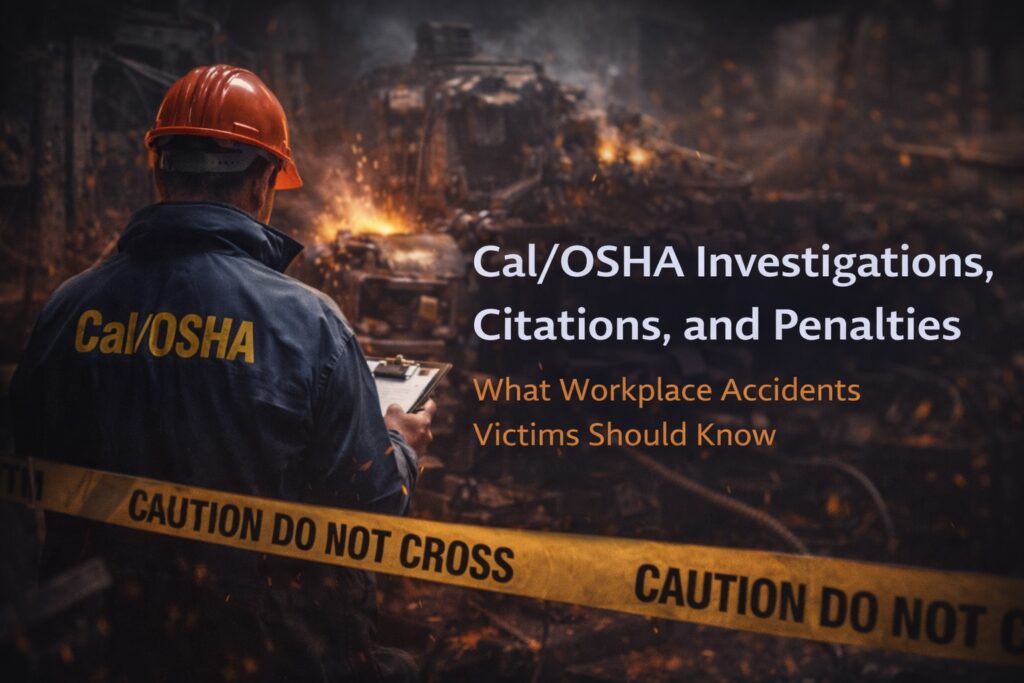
After a serious industrial machinery accident, Cal/OSHA (California Division of Occupational Safety and Health) will often open a formal investigation to determine whether workplace safety laws and regulations were violated. These investigations are especially common when an accident results in amputation, hospitalization, permanent injury, or death.
Cal/OSHA’s role is to enforce workplace safety standards and prevent future injuries—not to compensate injured workers. Still, what Cal/OSHA uncovers can play a critical role in related legal claims.
What Cal/OSHA Investigates
During an investigation, Cal/OSHA inspectors may conduct a detailed review of the jobsite, machinery, and employer practices. Their investigation may include:
- Whether machinery had required guards, shields, or barriers in place
- Compliance with lockout/tagout procedures designed to prevent accidental startup
- Adequacy of employee safety training, supervision, and written safety programs
- Maintenance, inspection, and repair records for the machinery involved
- Whether safety features were disabled, bypassed, or ignored
- Prior safety complaints, near-misses, or similar incidents involving the same equipment
Inspectors may interview injured workers, coworkers, supervisors, and management, review documents, photograph the scene, and test or examine the machinery involved.
Cal/OSHA Citations and Penalties
If Cal/OSHA determines that safety violations occurred, it may issue citations and financial penalties against the employer or other responsible parties. These penalties are intended to enforce compliance and deter future violations.
Penalties can range from thousands to hundreds of thousands of dollars, depending on factors such as:
- The severity of the violation
- Whether the violation is classified as serious, repeat, or willful
- The employer’s history of prior violations
- Whether the violation caused or contributed to serious injury or death
In the most extreme cases—particularly where willful misconduct or gross negligence is found—Cal/OSHA findings may lead to criminal investigations or referrals to other enforcement agencies.
How Cal/OSHA Findings Affect Injury Claims
It is important for injured workers to understand what Cal/OSHA findings mean for their personal injury claims.
- Cal/OSHA penalties do not go to the injured worker
- Cal/OSHA investigations do not replace workers’ compensation benefits
- Citations alone do not provide pain and suffering damages
However, Cal/OSHA reports, citations, and findings can be powerful supporting evidence in third-party personal injury and product liability cases. These findings may help establish:
- Negligence or unsafe work practices
- Failure to follow mandatory safety standards
- Knowledge of dangerous conditions that were ignored
- A pattern of safety violations involving the same employer or equipment
In many machinery accident cases, Cal/OSHA findings are closely analyzed by attorneys and expert witnesses to help prove liability against manufacturers, contractors, maintenance companies, or property owners.
Coordinating Cal/OSHA Investigations With Your Legal Claims
Cal/OSHA investigations proceed on their own schedule and focus on regulatory compliance—not on maximizing compensation for injured workers. As a result, critical evidence can be lost, altered, or repaired if no independent action is taken.
At WIN Trial Lawyers, we take steps to protect our clients’ interests alongside any Cal/OSHA investigation. This includes:
- Acting quickly to preserve the machinery, tools, and accident scene
- Conducting independent investigations separate from Cal/OSHA
- Obtaining and analyzing Cal/OSHA inspection reports, citations, and penalties
- Working with safety engineers, OSHA experts, and medical professionals
- Coordinating workers’ compensation and third-party claims strategically
This proactive approach ensures that Cal/OSHA findings are used to strengthen your legal case, rather than delay or limit your recovery.
Why Legal Action Still Matters
Even when Cal/OSHA issues citations or significant penalties, injured workers must still pursue workers’ compensation and third-party legal claims to recover medical expenses, lost income, and damages for pain and suffering.
Cal/OSHA enforcement may improve workplace safety going forward—but legal action is what provides financial accountability and long-term security for injured workers and their families after a catastrophic machinery accident.
Get Help After an Industrial Machinery Accident
If you or a loved one was seriously injured by industrial machinery, you do not have to face this alone. The stakes are high, and the wrong move early on can cost you hundreds of thousands—or millions—of dollars in compensation.
At WIN Trial Lawyers, we work alongside workers’ compensation counsel when necessary to ensure every possible avenue of recovery is pursued.
Trial Lawyers for Serious Industrial Injuries
Contact WIN Trial Lawyers today to protect your rights and your future.
Get Help From WIN Injury & Accident Trial Lawyers
Why Legal Representation Matters
Insurance companies often undervalue pain and suffering—offering minimal settlements that ignore your daily struggles. A skilled attorney can:
- Present powerful evidence of your emotional and physical suffering
- Retain expert witnesses to quantify your losses
- Use verdict data to justify higher multipliers or per diem rates
- Argue your case persuasively before a jury
At WIN Trial Lawyers, our team fights to ensure that your recovery reflects the full extent of your suffering—not just your bills.

At WIN Trial Lawyers, we know how devastating distracted driving accidents can be. Victims often face mounting medical bills, lost wages, and emotional trauma. Our team has successfully taken on insurance companies and distracted drivers, recovering millions for injured clients.
If you or a loved one has been injured in a speeding-related car accident, don’t leave your future in the hands of the insurance company. You need experienced trial lawyers who know how to prove liability and fight for maximum compensation.
If you or a loved one has been injured in a distracted driving accident, don’t face this alone. The sooner you act, the stronger your case will be.
🔗 Related Posts:
Frequently Asked Questions (FAQs) About Industrial Machinery Accidents
What should I do immediately after a machinery accident at work?
Seek medical attention right away, report the injury to your employer as soon as possible, and document the accident. If safe to do so, preserve the machine involved and take photos of the scene. Speaking with a lawyer early can help protect critical evidence.
Can I sue my employer for a machinery injury?
In most cases, no. Workers’ compensation is typically the exclusive remedy against your employer. However, you may be able to sue a third party, such as a machine manufacturer, maintenance company, contractor, or property owner.
What is a third-party machinery accident claim?
A third-party claim is a personal injury lawsuit against someone other than your employer whose negligence or defective product caused your injury. These claims allow recovery for damages not available under workers’ compensation.
What types of machinery defects lead to lawsuits?
Common defects include missing or inadequate safety guards, faulty emergency shutoffs, defective design, poor manufacturing, or inadequate warnings and instructions.
Can I receive workers’ compensation and file a lawsuit at the same time?
Yes. You can receive workers’ compensation benefits while pursuing a third-party personal injury lawsuit when another party is responsible for the accident.
What damages can I recover in a machinery accident lawsuit?
A third-party claim may allow recovery for pain and suffering, emotional distress, full wage loss, future earning capacity, medical expenses, and—in extreme cases—punitive damages.
What if my injury involved an amputation or permanent disability?
Severe injuries significantly increase case value. In addition to workers’ compensation benefits, third-party claims may provide substantial compensation for lifelong medical care, loss of income, and quality-of-life damages.
Do OSHA violations matter in machinery accident cases?
Yes. OSHA violations can be powerful evidence of negligence and unsafe practices, especially in third-party lawsuits and product liability cases.
How long do I have to file a claim?
Workers’ compensation claims generally must be reported within 30 days and filed within one year. Personal injury lawsuits usually must be filed within two years, with shorter deadlines for public entities.
Why do I need a lawyer experienced in machinery accident cases?
Industrial machinery cases are complex and aggressively defended. An experienced trial lawyer can investigate defects, preserve evidence, coordinate workers’ comp and civil claims, and pursue maximum compensation.