


Whiplash is one of the most common injuries after a car accident, particularly in rear-end collisions—but it can occur in almost any type of crash, including side-impact and multi-vehicle accidents. Whiplash happens when the head and neck are suddenly forced forward and backward, straining the muscles, ligaments, discs, and nerves in the cervical spine.
While some whiplash injuries resolve with rest and conservative care in a matter of weeks, others are far more serious. Many accident victims experience ongoing neck pain, headaches, limited range of motion, nerve symptoms, and difficulty working or sleeping. In more severe cases, whiplash can lead to disc injuries, chronic pain, or long-term disability—often accompanied by mounting medical bills and lost income.
Understandably, one of the first questions injured drivers ask is:
“What is the average settlement for whiplash in California?”
The short answer is that there is no single number that applies to everyone. Whiplash settlements depend heavily on the facts of each case, including the extent of medical treatment, how long symptoms last, and how the injury affects your daily life and ability to work. Below, we break down how whiplash settlements are calculated, what factors matter most, and what you can realistically expect in California.
Is There Really an “Average” Whiplash Settlement?
Technically, there is no official or guaranteed “average” whiplash settlement because every case is different. Insurance companies and juries evaluate whiplash claims individually, based on medical evidence and documented losses rather than a fixed formula.
That said, looking at real-world settlement patterns can provide helpful context. In California:
- Minor whiplash cases—typically involving limited treatment and short recovery periods—often settle between $5,000 and $20,000.
- Moderate whiplash cases, especially those requiring extended physical therapy or injections, may settle in the $30,000 to $60,000 range.
- Severe whiplash cases, including those involving disc injuries, nerve damage, or long-term impairment, can reach $100,000 or more, depending on the circumstances.
The range is wide because insurers and juries consider multiple factors when valuing a whiplash claim, including:
- Medical treatment and bills, such as emergency room visits, physical therapy, chiropractic care, imaging tests (MRI or CT scans), injections, or surgery
- Lost wages and time missed from work, as well as any reduced earning capacity
- Pain and suffering, including ongoing discomfort, headaches, and limitations on daily activities
- Whether the whiplash injury results in permanent impairment or chronic symptoms
In short, the more serious and long-lasting the injury—and the better it is documented—the higher the potential settlement value.
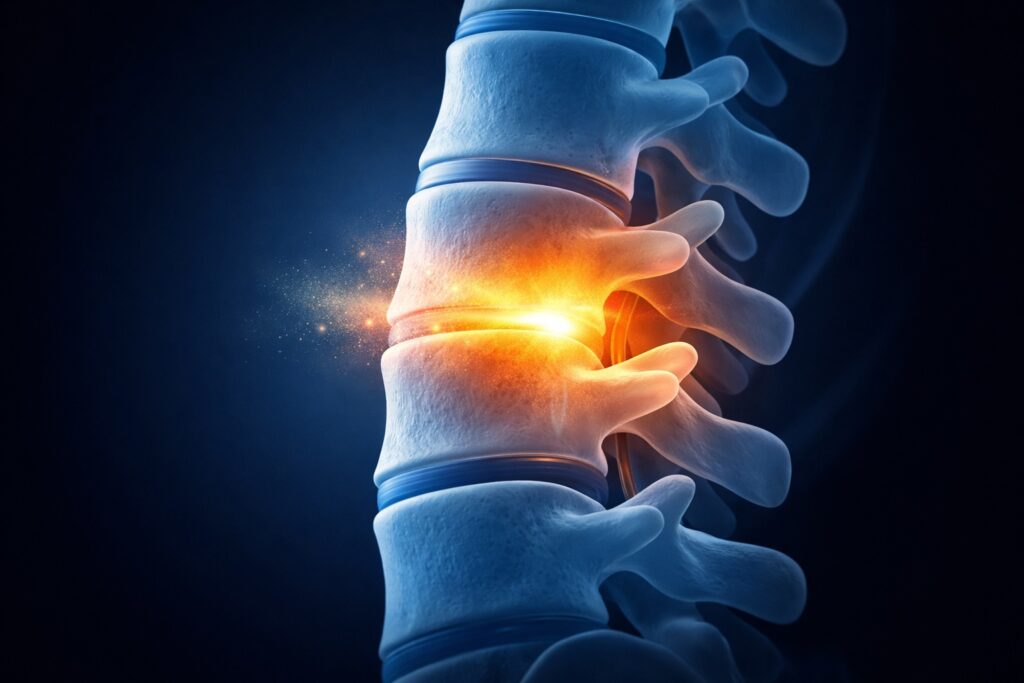
Factors That Affect Whiplash Settlements in California
Whiplash settlements in California are not based on a simple formula. Insurance companies, attorneys, and juries evaluate a range of factors to determine the value of a claim. Understanding these factors can help accident victims set realistic expectations and avoid low settlement offers.
1. Severity of Injury
The severity of your whiplash injury is one of the most important factors in determining settlement value. Mild whiplash cases involving soft-tissue strain typically resolve with conservative treatment and are valued much lower than cases involving more serious complications.
More severe whiplash injuries may include:
- Herniated or bulging cervical discs
- Nerve compression or radiculopathy
- Spinal instability or ligament damage
- Chronic neck pain or reduced range of motion
The more serious and medically complex the injury, the higher the potential recovery—particularly when long-term or permanent limitations are involved.
2. Duration of Symptoms
How long your symptoms last plays a major role in settlement value. Short-term whiplash may only require a few weeks of treatment, which limits both medical costs and pain-and-suffering damages.
By contrast, long-term or chronic whiplash cases—where symptoms persist for months or years—are treated far more seriously. Ongoing pain, repeated treatment, and delayed recovery all support higher settlement demands.
3. Impact on Daily Life
Insurance companies and juries also consider how the injury affects your day-to-day activities. Whiplash that interferes with basic functions such as driving, sleeping, working, or exercising significantly increases non-economic damages.
Examples of lifestyle impact include:
- Missed work or reduced hours
- Difficulty performing household tasks
- Inability to participate in hobbies or exercise
- Chronic headaches or sleep disruption
The greater the disruption to your normal life, the stronger your claim for pain and suffering compensation.
4. Medical Evidence
Strong medical documentation is critical in whiplash cases, especially because insurers often try to downplay soft-tissue injuries. Objective evidence makes it harder for insurance companies to argue that your injury is minor or exaggerated.
Important medical evidence may include:
- MRI or CT scans showing disc or soft-tissue injury
- Physical therapy and chiropractic treatment records
- Physician evaluations and specialist referrals
- Documentation of ongoing pain or functional limitations
Well-documented medical care significantly improves settlement outcomes.
5. Insurance Company Strategy
California is a pure comparative negligence state, which means insurance companies often attempt to argue that you were partially at fault for the accident in order to reduce the payout.
Insurers may also:
- Claim the injury was pre-existing
- Argue treatment was excessive or unnecessary
- Minimize pain and suffering damages
Having an experienced personal injury lawyer helps counter these tactics, protect your claim, and prevent lowball settlement offers.
Realistic Whiplash Settlement Examples
While every case is unique, the following examples illustrate how settlement values may vary based on injury severity and impact:
- Minor Rear-End Collision:
Six weeks of chiropractic treatment and approximately $3,000 in medical bills may result in a settlement of $10,000–$15,000+. - Moderate Whiplash With Lost Work:
Several months of treatment, $15,000 in medical bills, and three months of missed work may support a settlement of $40,000–$60,000+. - Severe Whiplash With Permanent Impairment:
Surgery, ongoing therapy, $75,000 or more in medical costs, and permanent work restrictions may result in a settlement of $250,000 or more.
These examples are not guarantees, but they show how severity, duration, and documentation can dramatically affect the value of a whiplash claim in California.
Why You Shouldn’t Trust Insurance “Averages”
Insurance companies often cite misleading “average” whiplash settlements to pressure victims into accepting lowball offers. But your case is unique — your settlement depends on your medical costs, your pain, and your future needs.
How WIN Trial Lawyers Can Help
At WIN Trial Lawyers, we’ve recovered millions for car accident victims across California, including whiplash injuries that insurers initially dismissed as “minor.” We know the tactics insurance companies use — and we know how to fight back.
If you’ve suffered whiplash after a car accident, don’t settle for less than you deserve. We’ll help you build a strong case, negotiate aggressively, and take it to court if necessary.

Protect Your Rights with WIN Trial Lawyers
At WIN Trial Lawyers, we’ve recovered millions for car accident victims across California. We know the pressure insurance companies put on injured people—and we know how to beat them.
If you or a loved one has been injured in a car accident, don’t let delays or lowball offers jeopardize your future. Call us today for a free consultation.
🔗 Related Posts:
Frequently Asked Questions About Whiplash Settlements in California
How much is a typical whiplash settlement in California?
There is no fixed amount, but minor whiplash cases often settle between $5,000 and $20,000, while moderate to severe cases may range from $30,000 to $100,000 or more, depending on treatment, lost wages, and long-term impact.
Is whiplash considered a serious injury?
It can be. While some cases resolve quickly, others lead to chronic pain, disc injuries, nerve damage, or permanent limitations. The seriousness depends on medical findings and how long symptoms last.
How long does it take to settle a whiplash claim?
Simple cases may settle within a few months, while more complex cases involving long-term treatment or disputed liability can take six months to a year or longer.
Do I need an MRI to prove whiplash?
Not always, but imaging studies like MRIs can significantly strengthen a claim—especially if disc injuries or nerve involvement are suspected. Strong medical documentation is key.
Will insurance companies try to downplay whiplash?
Yes. Insurers frequently argue that whiplash is a minor or exaggerated injury. Consistent medical treatment and legal representation help counter these tactics.
Can I recover pain and suffering for whiplash in California?
Yes. Pain and suffering damages are available in personal injury claims and often make up a significant portion of whiplash settlements.
What if I had a pre-existing neck condition?
You may still recover compensation. California law allows recovery when an accident aggravates a pre-existing condition, but insurers often try to use this as a defense.
Does fault affect my whiplash settlement?
Yes. California follows pure comparative negligence, meaning your compensation may be reduced by your percentage of fault—but you can still recover damages even if you share some responsibility.
Should I accept the insurance company’s first offer?
Usually not. Initial offers are often low and may not account for future treatment or long-term pain. Speaking with a lawyer before accepting any offer is strongly recommended.
Do I need a lawyer for a whiplash case?
While not legally required, having an experienced personal injury lawyer can significantly increase your settlement by properly documenting damages, negotiating with insurers, and protecting your rights.