

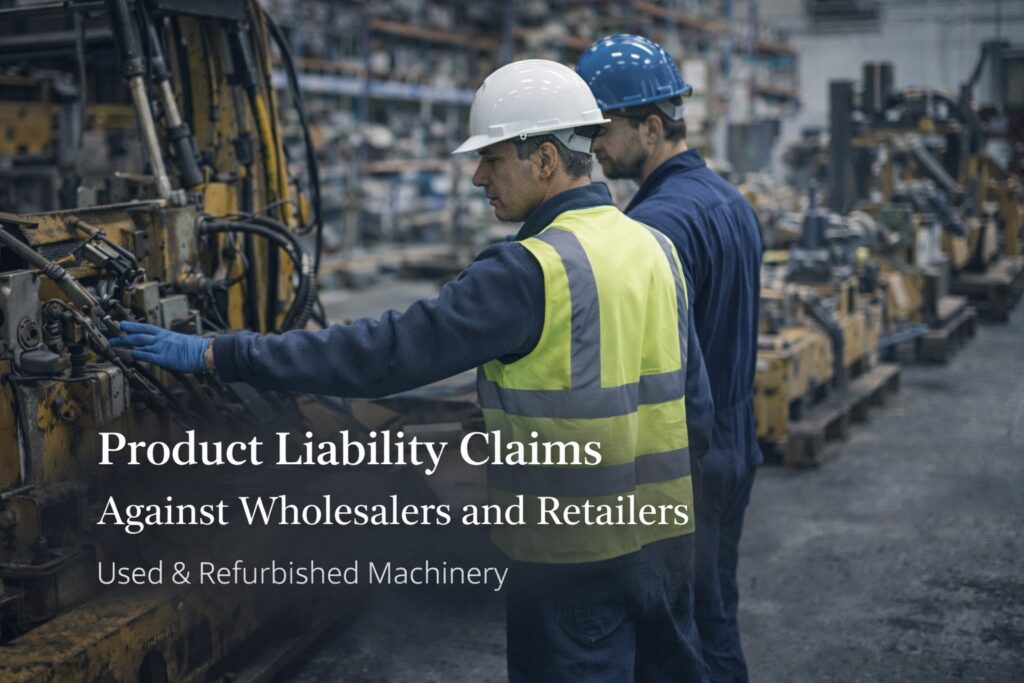
When a defective product causes serious injury, many people assume that only the manufacturer can be held legally responsible. That assumption is wrong—particularly under California product liability law.
Wholesalers and retailers can be held just as legally responsible as manufacturers when they participate in selling or distributing a defective product that causes injury.
At WIN Injury & Accident Trial Lawyers, we routinely pursue product liability claims not only against manufacturers, but also against wholesalers, distributors, and retailers that helped place dangerous products into the marketplace. In many cases, wholesaler or retailer liability is critical to achieving full compensation and meaningful accountability.
This guide explains when wholesalers and retailers can be held liable, why the law allows it, and how these cases are proven.
What Is a Wholesaler or Retailer?
In product liability law, wholesalers and retailers are not passive bystanders. They are key participants in the commercial chain that places products—new or used—into the hands of consumers and workers. Because of this role, the law treats them as responsible parties when unsafe products cause injury.
Wholesalers
Wholesalers are entities that:
- Purchase products in bulk from manufacturers or distributors
- Supply products to retailers, contractors, employers, or industrial buyers
- Store, transport, repackage, or relabel products before resale
Wholesalers often act as the bridge between manufacturers and end users. That position gives them control over storage conditions, packaging, warnings, and resale decisions, all of which can affect product safety.
Retailers
Retailers are entities that:
- Sell products directly to consumers or end users
- Operate brick-and-mortar stores, online marketplaces, or hybrid platforms
- Act as the final link between the product and the injured person
Because retailers place products directly into the hands of users, they often have the last opportunity to identify safety issues, relay warnings, or stop dangerous products from being sold.
Wholesalers and Retailers That Sell Used or Refurbished Equipment
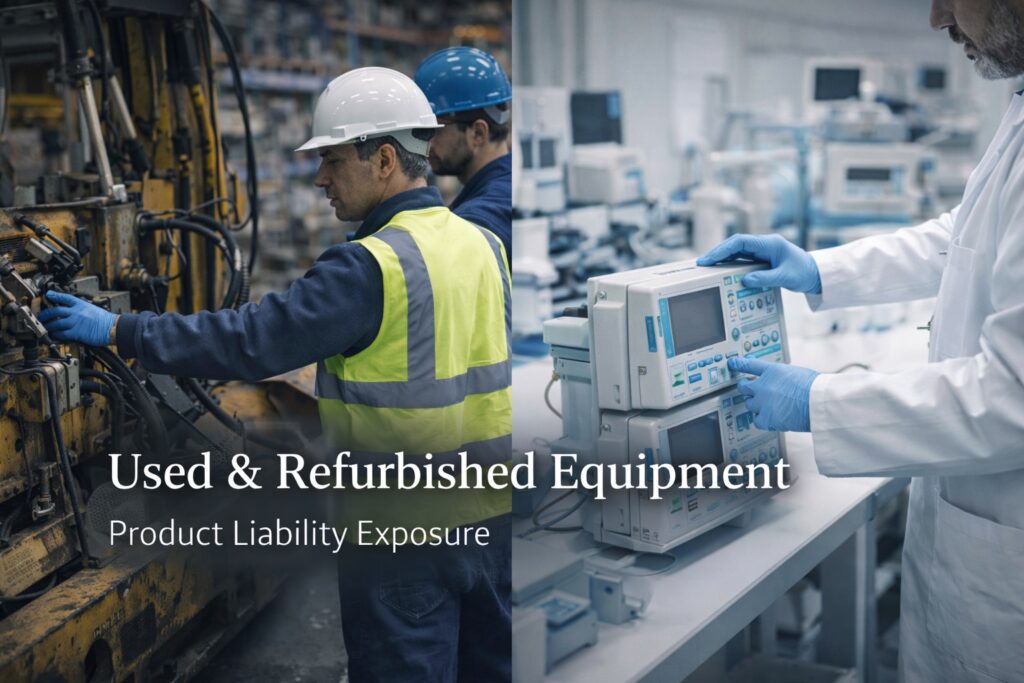
Wholesalers and retailers are not limited to selling new products. Many also sell used, refurbished, reconditioned, or surplus equipment, particularly in industrial and workplace settings. When they do, additional legal duties may apply.
Liability may arise when wholesalers or retailers:
- Sell used machinery or equipment that is unsafe in its current condition
- Fail to inspect, refurbish, or restore equipment to OEM specifications before resale
- Deliver equipment with missing guards, disabled safety systems, or degraded components
- Represent equipment as “reconditioned,” “certified,” or “ready for use” when it is not
- Fail to warn buyers or end users about known hazards, limitations, or required upgrades
“Used” does not mean “unsafe by default,” but it does mean that sellers must take reasonable steps to ensure the equipment is not dangerously degraded before placing it back into the stream of commerce.
Why This Matters in Injury Cases
Workers and consumers rarely have the ability—or authority—to inspect or modify equipment before use. When wholesalers or retailers sell used equipment that should have been refurbished or returned to OEM safety standards, they shift the risk onto end users who had no role in the purchase decision.
Because wholesalers and retailers play a direct role in making products available to the public, the law includes them within the scope of product liability. This ensures that responsibility for safety lies with those who profit from selling the product, not with the injured person who trusted that it was safe to use.
Wholesalers and Retailers That Sell Used or Refurbished Equipment
Industry-Specific Examples
Wholesalers and retailers frequently sell used, refurbished, reconditioned, or surplus equipment across multiple industries. When they do, liability may arise if the equipment is dangerous in its condition at the time of sale and should have been inspected, refurbished, or restored to OEM safety specifications before being placed back into service.
Below are common industry contexts where these issues arise.
Industrial Machinery
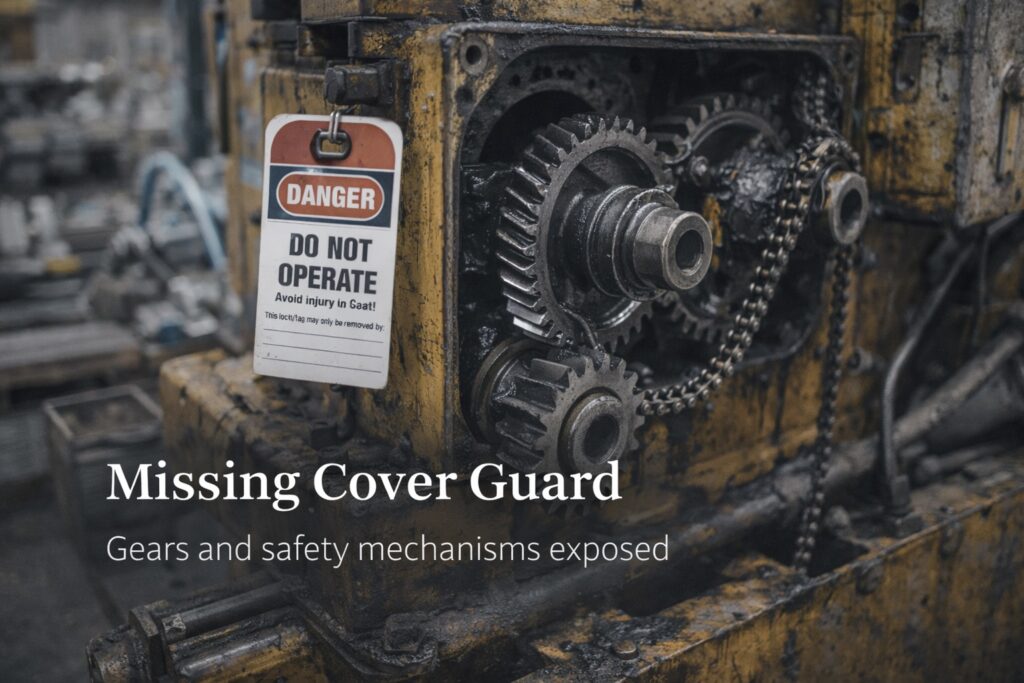
In industrial and manufacturing settings, wholesalers and retailers often sell used or refurbished machinery such as:
- Presses, lathes, mills, and batch freezers
- Conveyors, rollers, and automated production equipment
- Forklifts, lifts, and material-handling machines
Liability may arise when:
- Safety guards, interlocks, or emergency stops are missing, bypassed, or disabled
- Machines are sold without required OEM safety retrofits or updates
- Electrical, hydraulic, or pneumatic systems are degraded or improperly modified
- Equipment is represented as “reconditioned” or “ready for use” despite unsafe conditions
When wholesalers or retailers place industrial machinery back into circulation without restoring it to safe operating condition, they can expose workers to amputations, crushing injuries, burns, and catastrophic harm.
Tools and Construction Equipment
Wholesalers and retailers also sell used or refurbished tools and construction equipment, including:
- Power tools, saws, grinders, and presses
- Ladders, scaffolding, and lifting equipment
- Pneumatic or gas-powered tools
Common liability scenarios include:
- Selling tools with worn or defective safety mechanisms
- Failing to replace guards, brakes, or shut-off features
- Improper refurbishment of electrical components or fuel systems
- Continued sale of tools subject to known recalls or safety bulletins
In these cases, sellers often have the last opportunity to identify obvious safety defects before the product reaches the end user.
Medical Equipment
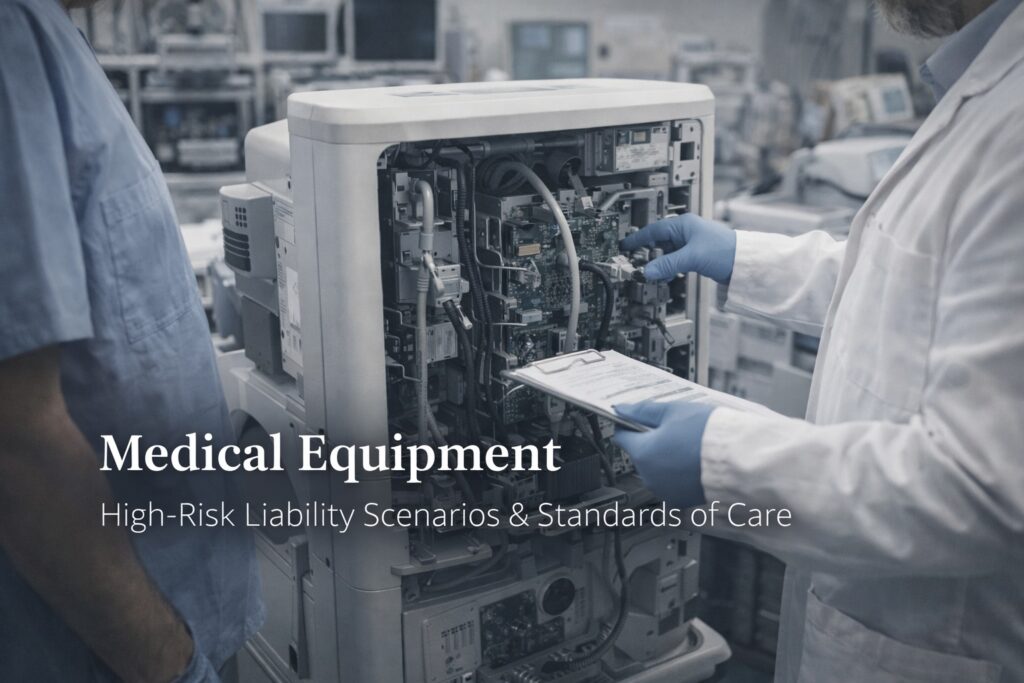
Medical equipment presents particularly high-risk scenarios because failures can result in serious injury or death. Wholesalers and retailers frequently sell:
- Diagnostic or imaging equipment
- Surgical tools or devices
- Patient-handling equipment
- Refurbished medical devices
Liability may arise when sellers:
- Fail to restore equipment to OEM specifications
- Sell refurbished devices without proper testing or certification
- Remove or bypass safety features to reduce costs
- Fail to warn healthcare providers about limitations, risks, or required upgrades
Because sellers of medical equipment are often sophisticated entities with specialized knowledge, courts closely scrutinize their inspection, refurbishment, and warning practices.
Why Industry Context Matters
Across all industries, the legal principle is the same:
A seller cannot avoid responsibility by labeling equipment as “used” if it is dangerous when delivered and the danger should have been identified and remedied before resale.
Wholesalers and retailers are often uniquely positioned to:
- Identify wear, missing components, or unsafe modifications
- Restore equipment to OEM safety standards
- Decide whether a product is fit to re-enter the marketplace
When they fail to do so, and injury results, product liability law allows injured workers and consumers to hold them accountable.
Legal Basis for Wholesaler and Retailer Liability
Under strict product liability law, an injured person generally does not need to prove that a wholesaler or retailer acted negligently or intentionally.
Instead, the injured party must typically show:
- The product was defective (by design, manufacturing, or failure to warn)
- The defect existed when the product left the defendant’s control
- The defect was a substantial factor in causing the injury
This framework exists because wholesalers and retailers are in a better position than consumers to:
- Evaluate product safety before selling it
- Pressure manufacturers to correct defects or improve warnings
- Spread the cost of injuries through insurance
- Remove dangerous products from circulation once hazards are discovered
Liability for Selling Used or Refurbished Machines as an OEM
Product liability does not disappear simply because a machine is used, refurbished, or resold—especially when it is sold or delivered by an OEM or an authorized seller.
When an original equipment manufacturer (OEM), authorized distributor, or seller places a used or refurbished machine back into the stream of commerce, they may be held liable if the machine is dangerous in its condition at the time of sale and the danger should have been identified and remedied before delivery.
When OEMs and Sellers of Used Equipment Can Be Liable
OEMs, wholesalers, and retailers that sell used or refurbished machinery may be liable when they:
- Sell a machine that is dangerous due to wear, missing guards, disabled safety systems, or degraded components
- Fail to inspect, repair, or retrofit known safety issues before resale
- Deliver machinery that does not meet current safety standards when compliance was feasible
- Represent equipment as “reconditioned,” “certified,” or “ready for use” when it is not
- Fail to warn buyers or end users about known hazards, limitations, or required upgrades
In these situations, liability arises not from the original manufacture alone, but from the decision to place unsafe equipment back into use.
Used Does Not Mean Unsafe by Default—but It Does Impose Duties
The law recognizes that used equipment can be sold—but it also recognizes that certain dangers are unacceptable, particularly when the seller is:
- The original manufacturer
- An authorized distributor or reseller
- A company with specialized knowledge of the machine’s risks and safety history
When an OEM or authorized seller knows—or should know—that a machine is unsafe in its current condition, failure to correct those issues before sale can create liability, even if the machine was originally designed years earlier.
Common Dangerous Conditions in Used Machinery Cases
Used-machine liability cases often involve:
- Removed or bypassed safety guards
- Disabled interlocks or emergency stops
- Electrical systems degraded by age or modification
- Hydraulic or pneumatic failures
- Machines sold without required safety retrofits
- Equipment delivered in a condition unsafe for foreseeable use
If these conditions existed at the time of delivery and were reasonably correctable, the seller may be held responsible for resulting injuries.
Workplace Injuries and Used Equipment
These cases arise frequently in workplace settings, where employers purchase used or refurbished machinery to reduce costs. When a worker is injured:
- The employer may be limited to workers’ compensation
- But the OEM, wholesaler, or retailer that sold the dangerous machine may face third-party product liability claims
Selling dangerous used equipment without remedying known hazards shifts the risk onto workers who had no role in the purchase or inspection decision—a result product liability law is designed to prevent.
Key Takeaway
An OEM or seller cannot avoid responsibility by labeling equipment as “used” if:
- The machine was dangerous when delivered, and
- The danger should have been identified and corrected before resale
When sellers choose to place unsafe machinery back into circulation, they assume responsibility for the consequences.
Wholesaler and Retailer Liability in Workplace Injury Cases
Many product liability claims arise in the workplace, involving:
- Industrial machinery
- Tools and equipment
- Electrical components
- Safety devices
When a worker is injured, the wholesaler or retailer that supplied the defective product to the employer may be liable—even though the worker never personally purchased the product.
These claims often exist in addition to workers’ compensation and can significantly increase total recovery by allowing damages for pain and suffering, disfigurement, and full future earnings losses.
Common Defenses Wholesalers and Retailers Raise (And Why They Fail)
In product liability cases, wholesalers and retailers frequently attempt to distance themselves from responsibility by portraying their role as minimal or passive. While these defenses may sound reasonable at first glance, they generally fail under strict product liability law, which is designed to protect injured consumers—not shield commercial sellers.
Wholesalers and retailers commonly argue:
“We didn’t manufacture it.”
This is one of the most common defenses—and one of the weakest. Product liability law does not limit responsibility to manufacturers alone. Instead, it extends liability to every entity in the chain of distribution that helped place the product into the marketplace.
Courts consistently reject this defense because allowing sellers to escape liability simply by pointing upstream would undermine consumer protection and leave injured victims without meaningful recourse—especially when manufacturers are overseas, bankrupt, or otherwise difficult to pursue.
“We didn’t know it was defective.”
Under strict liability principles, knowledge is irrelevant. A wholesaler or retailer does not need to know that a product is defective to be held responsible for injuries it causes.
The focus is on the condition of the product, not the seller’s state of mind. This rule exists because sellers are in a far better position than consumers to:
- Evaluate product safety
- Monitor recalls and warnings
- Carry insurance to absorb losses
Injury victims should not bear the burden of proving what a seller knew or should have known.
“We just sold it ‘as-is.’”
“As-is” disclaimers may limit certain contractual warranty claims, but they generally do not protect wholesalers or retailers from liability for personal injuries caused by defective products.
Courts routinely hold that sellers cannot contract around their obligation to avoid placing unreasonably dangerous products into the stream of commerce. Allowing “as-is” language to defeat injury claims would effectively nullify product liability protections.
Why These Defenses Fail Under the Law
Under strict product liability, the injured party typically must show only that:
- The product was defective
- The defect existed when it left the wholesaler’s or retailer’s control
- The defect was a substantial factor in causing the injury
Knowledge, intent, and fault are not required.
These defenses often fail because accepting them would shift the cost of injuries away from companies that profit from selling products and onto injured consumers—exactly what product liability law is designed to prevent.
By holding wholesalers and retailers accountable despite these arguments, courts promote safer products, better oversight, and faster removal of dangerous items from the marketplace, protecting not just one injured person, but the public at large.
Why Wholesalers and Retailers Are Often Critical Defendants
Wholesalers and retailers often:
- Have U.S.-based assets and insurance
- Are easier to identify and serve legally
- Carry commercial product liability coverage
- Play a key role when manufacturers deny responsibility or are overseas
In many cases, wholesaler or retailer liability is what makes a product liability claim financially viable.
How WIN Proves Wholesaler and Retailer Liability
At WIN Injury & Accident Trial Lawyers, we:
- Trace the entire chain of distribution
- Identify every wholesaler and retailer involved
- Analyze storage, handling, labeling, and warning failures
- Use experts to establish when and how defects existed
- Pursue all available insurance coverage
This comprehensive approach ensures no responsible party escapes accountability.
Injured by a Defective Product? Don’t Overlook Wholesalers and Retailers.
If you were injured by a defective product, focusing only on the manufacturer can leave money and accountability on the table. Wholesalers and retailers often play a central role in putting dangerous products into circulation—and in keeping them there.
Who Can Be Held Responsible in a Products Liability Case?
| Entity | How They May Be Liable |
|---|---|
| Manufacturers | Liable for defects in design, manufacturing, or failure to warn when the product is unsafe as intended or foreseeably used. |
| Component-Part Makers | Liable when a defective component causes injury, or when they fail to warn about dangers associated with the part’s intended use. |
| Distributors & Suppliers | Liable for placing defective products into the stream of commerce, even if they did not manufacture the product. |
| Wholesalers & Retailers | Liable for selling defective products to consumers, regardless of fault or knowledge of the defect. |
| Importers | Liable for bringing unsafe foreign-made products into the U.S. market and ensuring compliance with safety and warning requirements. |
Get Help From WIN Injury & Accident Trial Lawyers
Why Legal Representation Matters
Insurance companies often undervalue pain and suffering—offering minimal settlements that ignore your daily struggles. A skilled attorney can:
- Present powerful evidence of your emotional and physical suffering
- Retain expert witnesses to quantify your losses
- Use verdict data to justify higher multipliers or per diem rates
- Argue your case persuasively before a jury
At WIN Trial Lawyers, our team fights to ensure that your recovery reflects the full extent of your suffering—not just your bills.

At WIN Trial Lawyers, we know how personal injury claims can be can be. Victims often face mounting medical bills, lost wages, and emotional trauma. Our team has successfully taken on insurance companies and third parties, recovering millions for injured clients.
If you or a loved one has been injured in an accident, don’t leave your future in the hands of the insurance company. You need experienced trial lawyers who know how to prove liability and fight for maximum compensation.
If you or a loved one has been injured, don’t face this alone. The sooner you act, the stronger your case will be.
🔗 Related Posts:
Frequently Asked Questions: Wholesaler and Retailer Defenses in Product Liability Cases
Can a wholesaler or retailer avoid liability by claiming it didn’t manufacture the product?
No. Under strict product liability law, manufacturing the product is not required for liability. Wholesalers and retailers can be held responsible simply for participating in selling or distributing a defective product that causes injury.
Does a wholesaler or retailer have to know the product was defective to be liable?
No. Knowledge is not required. An injured person does not need to prove that a wholesaler or retailer knew—or should have known—that a product was dangerous. Liability focuses on the condition of the product, not the seller’s intent or awareness.
Does selling a product “as-is” protect retailers or wholesalers from injury claims?
Generally, no. “As-is” language may affect warranty disputes, but it does not shield sellers from liability for personal injuries caused by defective products. Courts routinely reject “as-is” defenses in product liability injury cases.
Can wholesalers and retailers be sued even if the manufacturer is also named?
Yes. Product liability law allows injured victims to sue multiple parties in the chain of distribution at the same time, including manufacturers, wholesalers, distributors, and retailers. Courts can later determine how responsibility is allocated among them.
What if the wholesaler or retailer only handled the product briefly?
Even brief involvement in selling, storing, shipping, or supplying a product can be enough to establish liability if the product was defective when it left the seller’s control. Length of possession is not determinative.
Are wholesalers and retailers liable for defects they didn’t create?
Yes. Strict liability exists specifically to prevent sellers from escaping responsibility by blaming upstream parties. If a defective product causes injury, every seller in the distribution chain may be liable, regardless of who created the defect.
Can retailers be liable for selling recalled products?
Yes. Retailers may be liable if they:
- Continued selling products after a recall
- Failed to pass along recall or safety information
- Ignored known safety risks
Selling recalled or known-dangerous products significantly increases liability exposure.
Does retailer liability apply to online sellers and marketplaces?
Often, yes. Online sellers and platforms may be treated as retailers if they:
- Act as the seller of record
- Control product listings or labeling
- Store, ship, or fulfill products
Courts increasingly scrutinize online retail roles in product liability cases.
Why do courts reject these defenses so consistently?
Because accepting them would undermine the purpose of product liability law—to ensure that the cost of injuries is borne by those who profit from selling products, not by injured consumers who had no ability to inspect or control product safety.
Can a wholesaler or retailer be liable if the product was sealed or unopened?
Yes. A product does not need to be opened or modified by the seller for liability to apply. If a defective product caused injury and the wholesaler or retailer sold or distributed it in the ordinary course of business, strict liability may still attach.
What if the wholesaler or retailer followed all manufacturer instructions?
Following manufacturer instructions does not automatically shield wholesalers or retailers from liability. If the product was defective or unreasonably dangerous when sold, participation in the distribution chain is enough to establish liability.
Can wholesalers and retailers be liable for used or refurbished products?
Yes. Wholesalers and retailers that sell used, refurbished, or reconditioned products may be liable if:
- The product was dangerous when sold
- Safety features were missing or disabled
- The product was not restored to OEM safety standards
- Known hazards were not disclosed
Used does not mean unsafe—and sellers have duties when reselling equipment.
Does wholesaler or retailer liability apply in workplace injury cases?
Yes. When wholesalers or retailers supply defective equipment to employers, injured workers may bring third-party product liability claims against those sellers in addition to workers’ compensation.
Can a retailer be liable even if it only sold the product once?
Yes. A single sale is enough to establish participation in the chain of distribution. There is no requirement of repeated sales or long-term involvement.
Are wholesalers and retailers responsible for passing along safety updates?
Often, yes. Failure to pass along safety bulletins, warnings, or recall notices can significantly increase liability exposure, especially when injuries occur after the seller became aware of known risks.
What if the retailer argues the product was misused?
Misuse is not a complete defense if the misuse was foreseeable. Courts recognize that products must be designed and sold with real-world use in mind, not idealized behavior.
Can a wholesaler or retailer be liable years after selling a product?
Possibly. Liability often depends on when the injury occurred and applicable statutes of limitation—not solely on when the product was sold. Latent defects may surface long after distribution.
Why is identifying seller defenses early important?
Because wholesalers and retailers often attempt to shift blame immediately. Early identification of these defenses allows attorneys to preserve evidence, trace distribution chains, and secure insurance coverage before positions harden.
Why does WIN focus heavily on wholesaler and retailer defenses?
Because these defenses are frequently raised—and frequently defeated. WIN Injury & Accident Trial Lawyers anticipates and dismantles these arguments early, ensuring sellers cannot escape accountability by claiming ignorance or minimal involvement.
How does WIN Injury & Accident Trial Lawyers use this law to protect injured victims?
WIN aggressively challenges wholesaler and retailer defenses by tracing the full distribution chain, identifying every responsible seller, and ensuring that no party avoids accountability by claiming to be “just a middleman.”
📞 Contact WIN Injury & Accident Trial Lawyers for a free consultation.
We pursue every responsible party—manufacturer, wholesaler, and retailer alike.