


Car accidents don’t just cause broken bones or visible injuries. In many cases, the most serious harm is nerve damage—an injury that can permanently affect how you feel, move, and live your daily life. These injuries can interfere with simple daily activities, limit mobility, and significantly impact a person’s ability to work and enjoy life.
Nerve damage after a car accident is often misdiagnosed, delayed, or underestimated, yet it can lead to chronic pain, weakness, numbness, loss of function, and even permanent disability. Because symptoms are not always immediate, many accident victims are told their condition will “go away” or be managed with rest alone—only to find themselves dealing with worsening pain, neurological symptoms, or functional limitations weeks or months later.
At WIN Injury & Accident Trial Lawyers, we represent accident victims with serious nerve injuries and fight to recover full compensation for the long-term consequences these injuries create—not just what insurance companies want to pay. Our approach focuses on the real, lasting impact nerve damage has on a person’s health, livelihood, and future.
What Is Nerve Damage?
Your nervous system controls movement, sensation, reflexes, and critical bodily functions such as muscle coordination and pain response. When nerves are stretched, compressed, bruised, torn, or severed during a car accident, the result can be temporary or permanent nerve damage that disrupts communication between the brain and the body.
Unlike broken bones or cuts, nerve injuries are often invisible on the surface. Many do not appear on standard X-rays and may not be immediately apparent in emergency room evaluations, requiring advanced diagnostic testing and specialist evaluations to confirm.
Even more concerning, nerve injuries often worsen over time. Inflammation, scar tissue formation, and ongoing nerve compression can cause symptoms to intensify, spread, or become chronic if the injury is not properly diagnosed and treated early. What starts as mild tingling or discomfort can progress into long-term pain or functional impairment.
How Car Accidents Cause Nerve Damage
Nerve injuries commonly occur due to the violent forces involved in a collision, which place extreme stress on the spine, neck, and surrounding soft tissues. Sudden acceleration and deceleration can stretch or compress nerves beyond their normal limits, disrupting nerve signaling and function. Common causes include:
- Whiplash (sudden neck and spine movement that strains cervical nerves)
- Herniated or bulging discs that press against nearby nerve roots
- Spinal cord compression caused by swelling, disc displacement, or fractured vertebrae
- Direct trauma from airbags, seatbelts, steering wheels, or interior vehicle impact
- Crush injuries or severe lacerations that damage nerves directly
- Fractures that shift bone fragments into surrounding nerve tissue
Even low-speed collisions can cause nerve damage, particularly when the head or body is unexpectedly jolted. These injuries most often affect the neck, back, shoulders, arms, hands, hips, legs, and feet, and symptoms may not appear until inflammation develops.
Common Symptoms of Nerve Damage After a Car Accident
Nerve damage symptoms are often subtle at first and may worsen days or weeks after the crash as swelling increases or nerve compression persists. Many accident victims initially dismiss these symptoms, assuming they are normal soreness, only to discover more serious underlying injury. Common warning signs include:
- Numbness or tingling, often described as “pins and needles”
- Burning, stabbing, or electric-shock–like pain
- Muscle weakness or difficulty gripping, lifting, or walking
- Loss of coordination or balance
- Radiating pain that travels into the arms or legs
- Loss of sensation or abnormal sensitivity to heat and cold
- Chronic pain that does not improve with rest, medication, or physical therapy
⚠️ Important: If you experience numbness, tingling, weakness, or radiating pain after a car accident, seek medical attention immediately. Delayed diagnosis can allow nerve damage to worsen and may result in permanent impairment.
Types of Nerve Injuries Seen in Auto Accidents
1. Peripheral Nerve Damage
Peripheral nerve injuries affect nerves outside the brain and spinal cord and are among the most common nerve injuries caused by car accidents. These nerves control sensation and movement in the arms, hands, legs, and feet. Damage can lead to numbness, tingling, weakness, or burning pain, and in severe cases, loss of function. Peripheral nerve injuries may result from direct trauma, stretching, compression, or laceration during a collision.
2. Radiculopathy
Radiculopathy occurs when a spinal nerve root is compressed or irritated, often due to a herniated disc, swelling, or spinal misalignment caused by the crash. This condition frequently produces radiating pain, numbness, or weakness that travels down the arms (cervical radiculopathy) or legs (lumbar radiculopathy). Symptoms may worsen with movement and can significantly interfere with daily activities and work.
3. Spinal Cord–Related Nerve Injury
Spinal cord–related nerve injuries are among the most severe outcomes of auto accidents. These injuries can disrupt communication between the brain and body, potentially resulting in partial or total paralysis, loss of sensation, and long-term disability. Even incomplete spinal cord injuries can cause permanent limitations requiring ongoing medical care and rehabilitation.
4. Brachial Plexus Injuries
Brachial plexus injuries involve damage to the network of nerves that control the shoulder, arm, and hand. These injuries are common in high-impact crashes, such as rollovers or side-impact collisions, where the shoulder is forcefully stretched. Symptoms may include weakness, loss of arm movement, or chronic pain, and recovery can be lengthy or incomplete.
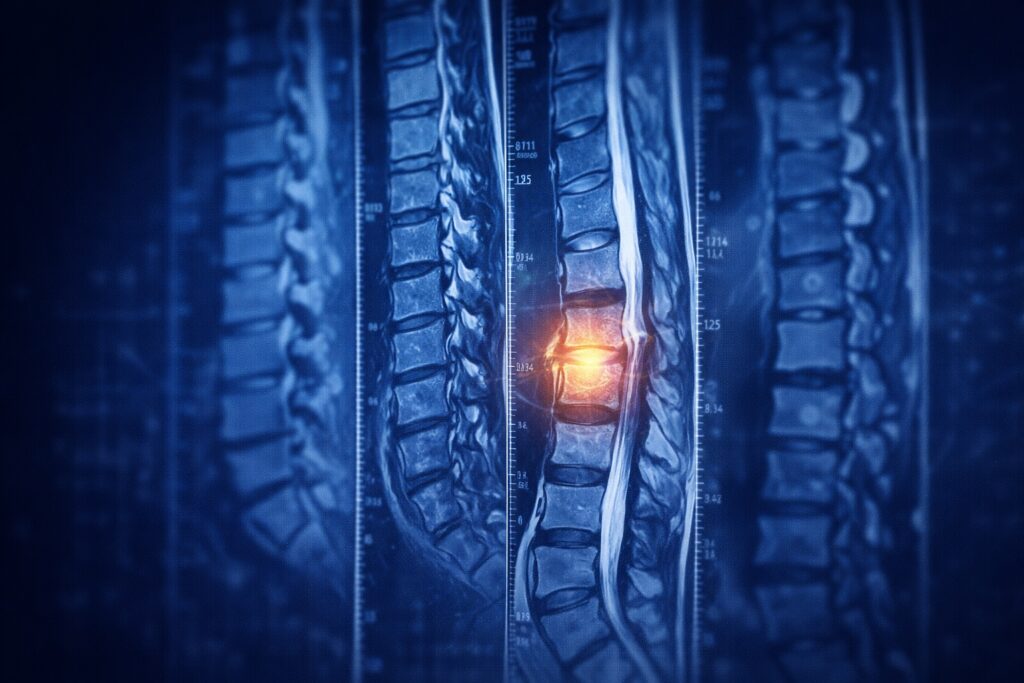
Diagnosing Nerve Damage
Nerve injuries often require specialized testing because they are not always visible on routine imaging. Accurate diagnosis may involve:
- MRI or CT scans to identify disc injuries, spinal compression, or structural damage
- EMG (electromyography) to evaluate muscle and nerve function
- Nerve conduction studies to measure how well electrical signals travel through nerves
- Neurological evaluations by specialists to assess strength, sensation, and reflexes
Insurance companies frequently dispute nerve injuries precisely because they are complex and difficult to document. This is why thorough medical evaluation and experienced legal representation are critical in proving the full extent of the injury.
Treatment Options for Nerve Damage After a Car Accident
Treatment for nerve damage depends on the type, location, and severity of the injury, as well as how quickly it is diagnosed. Some nerve injuries improve with time and conservative care, while others require long-term treatment or surgical intervention. Early diagnosis and proper medical management are critical to reducing symptoms, preventing further deterioration, and preserving nerve function.
Because nerve injuries often evolve over time, treatment plans may change as symptoms progress or new diagnostic information becomes available.
Conservative and Non-Surgical Treatments
Many nerve injuries are initially treated with conservative, non-surgical care aimed at reducing inflammation, relieving pressure on nerves, and restoring function. These treatments may include:
- Physical therapy to improve strength, flexibility, posture, and nerve mobility
- Chiropractic or rehabilitative care to address spinal alignment and nerve compression
- Pain management, including anti-inflammatory medications or nerve-specific medications such as those targeting neuropathic pain
- Activity modification to limit movements that aggravate nerve symptoms
- Heat, ice, or electrical stimulation therapy to help manage pain, inflammation, and muscle tension
These approaches are often used together and may continue for weeks or months. While some patients experience gradual improvement, others may plateau or worsen, requiring more advanced care.
Interventional Pain Management
When conservative treatment does not provide sufficient relief, physicians may recommend interventional pain management procedures designed to directly target inflamed or compressed nerves. These may include:
- Epidural steroid injections to reduce swelling and inflammation around spinal nerve roots
- Selective nerve root blocks to identify and treat specific pain sources
- Trigger point injections for muscle-related nerve irritation or spasms
These procedures can provide meaningful pain relief, improve function, and in some cases delay or eliminate the need for surgery. They are also commonly used as part of a longer-term treatment plan.
Surgical Treatment for Severe Nerve Damage
In more serious cases, surgery may be necessary to prevent permanent nerve damage or restore lost function. Surgical treatment is typically considered when nerve damage causes persistent pain, progressive weakness, loss of sensation, or loss of bodily function despite conservative care. Surgical options may include:
- Discectomy or spinal decompression surgery to relieve pressure on compressed nerve roots
- Nerve repair, grafting, or reconstruction for torn or severely damaged nerves
- Spinal stabilization procedures following traumatic fractures or instability
While surgery can be effective, recovery may be lengthy and outcomes are not always guaranteed. Many patients require extensive rehabilitation following surgery.
Long-Term Care and Rehabilitation
Some nerve injuries require ongoing or lifelong care even after initial treatment. Long-term management may include:
- Continued physical therapy or occupational therapy to regain strength and function
- Chronic pain management, including medications or periodic injections
- Assistive devices to support mobility, grip strength, or daily activities
- Psychological support or counseling to address the emotional toll of chronic pain and disability
Nerve regeneration is slow, and recovery may take months or years. In some cases, full recovery is not possible, making long-term treatment needs a critical component of any injury evaluation.
Why Proper Treatment Matters for Your Legal Case
Consistent and appropriate medical treatment not only supports recovery—it also creates critical documentation of the seriousness and progression of your injury. Insurance companies often argue that nerve injuries are minor, temporary, or unrelated to the accident, especially if there are gaps in care.
Following medical recommendations, attending appointments, and documenting ongoing symptoms helps protect both your health and your legal rights.
At WIN Injury & Accident Trial Lawyers, we work closely with medical professionals to ensure nerve injuries are fully documented and that future treatment needs, permanent limitations, and long-term costs are properly accounted for in your claim.
Long-Term Impact of Nerve Damage
Nerve injuries can affect nearly every aspect of a person’s life, both physically and emotionally. Long-term consequences often include:
- Reduced or lost ability to work
- Ongoing pain that interferes with sleep and daily comfort
- Emotional and mental health struggles, including anxiety or depression
- Loss of independence, mobility, or fine motor function
- Significant long-term medical and rehabilitation costs
Some nerve injuries heal slowly over months or years with treatment and therapy. Others may never fully recover, requiring lifelong care and accommodations. These long-term effects are a critical part of any injury claim and should never be minimized.
Can You Recover Compensation for Nerve Damage?
Yes. If your nerve injury was caused by someone else’s negligence, you may be entitled to compensation for:
- Medical expenses (past and future)
- Lost income and reduced earning capacity
- Pain and suffering
- Emotional distress
- Disability or disfigurement
- Cost of long-term care or assistive devices
At WIN Injury & Accident Trial Lawyers, we work with medical experts to prove nerve damage, project future costs, and aggressively pursue maximum compensation.
Why Legal Representation Matters
Insurance companies often undervalue pain and suffering—offering minimal settlements that ignore your daily struggles. A skilled attorney can:
- Present powerful evidence of your emotional and physical suffering
- Retain expert witnesses to quantify your losses
- Use verdict data to justify higher multipliers or per diem rates
- Argue your case persuasively before a jury
At WIN Trial Lawyers, our team fights to ensure that your recovery reflects the full extent of your suffering—not just your bills.

At WIN Trial Lawyers, we know how devastating distracted driving accidents can be. Victims often face mounting medical bills, lost wages, and emotional trauma. Our team has successfully taken on insurance companies and distracted drivers, recovering millions for injured clients.
If you or a loved one has been injured in a speeding-related car accident, don’t leave your future in the hands of the insurance company. You need experienced trial lawyers who know how to prove liability and fight for maximum compensation.
If you or a loved one has been injured in a distracted driving accident, don’t face this alone. The sooner you act, the stronger your case will be.
🔗 Related Posts:
Frequently Asked Questions (FAQs) About Nerve Damage After a Car Accident
How do I know if I have nerve damage after a car accident?
Common signs of nerve damage include numbness, tingling, burning pain, weakness, loss of coordination, or pain that radiates into the arms or legs. Symptoms may appear immediately or develop days or weeks after the crash. If symptoms persist or worsen, you should seek medical evaluation as soon as possible.
Can nerve damage show up days or weeks after a car accident?
Yes. Nerve damage often has delayed symptoms. Inflammation, swelling, and scar tissue can increase over time, causing symptoms to appear well after the initial accident. This delay is common and does not mean the injury is unrelated to the crash.
Can a low-speed car accident cause nerve damage?
Absolutely. Even low-speed collisions can cause nerve damage, especially through whiplash or spinal disc injuries. The force needed to injure nerves is often much less than what is required to break bones.
Is nerve damage permanent?
Some nerve injuries heal over time, while others may be permanent. Recovery depends on the severity of the injury, how quickly it is diagnosed, and the type of treatment received. In serious cases, nerve damage can lead to lifelong pain, weakness, or disability.
How is nerve damage diagnosed?
Nerve damage is typically diagnosed using advanced testing such as MRI scans, EMG studies, nerve conduction tests, and neurological examinations. Because nerve injuries are not always visible on standard imaging, specialized evaluations are often required.
Can insurance companies deny a nerve damage claim?
Yes. Insurance companies frequently dispute nerve damage claims by arguing that symptoms are subjective, pre-existing, or unrelated to the accident. This is why strong medical documentation and experienced legal representation are critical.
What compensation can I recover for nerve damage?
If your nerve injury was caused by another driver’s negligence, you may be entitled to compensation for medical expenses, lost wages, reduced earning capacity, pain and suffering, emotional distress, and long-term care needs.
Do I need a lawyer for a nerve damage car accident claim?
Nerve damage cases are complex and often aggressively defended. An experienced car accident trial lawyer can work with medical experts, challenge insurance company tactics, and fight for the full value of your claim.
How long do I have to file a nerve damage claim after a car accident?
In California, personal injury claims generally must be filed within two years of the date of the accident. However, delays can hurt your case, especially with nerve injuries, so it’s best to speak with a lawyer as soon as possible.
What should I do if I think I have nerve damage after a crash?
Seek medical attention immediately, follow all treatment recommendations, document your symptoms, and contact an experienced car accident attorney to protect your rights.