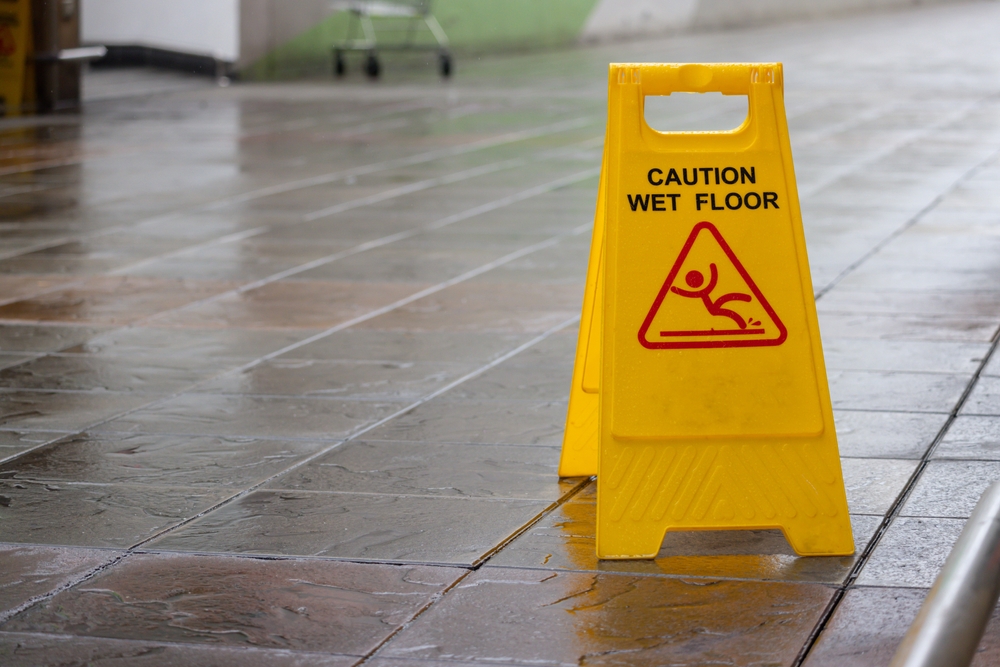

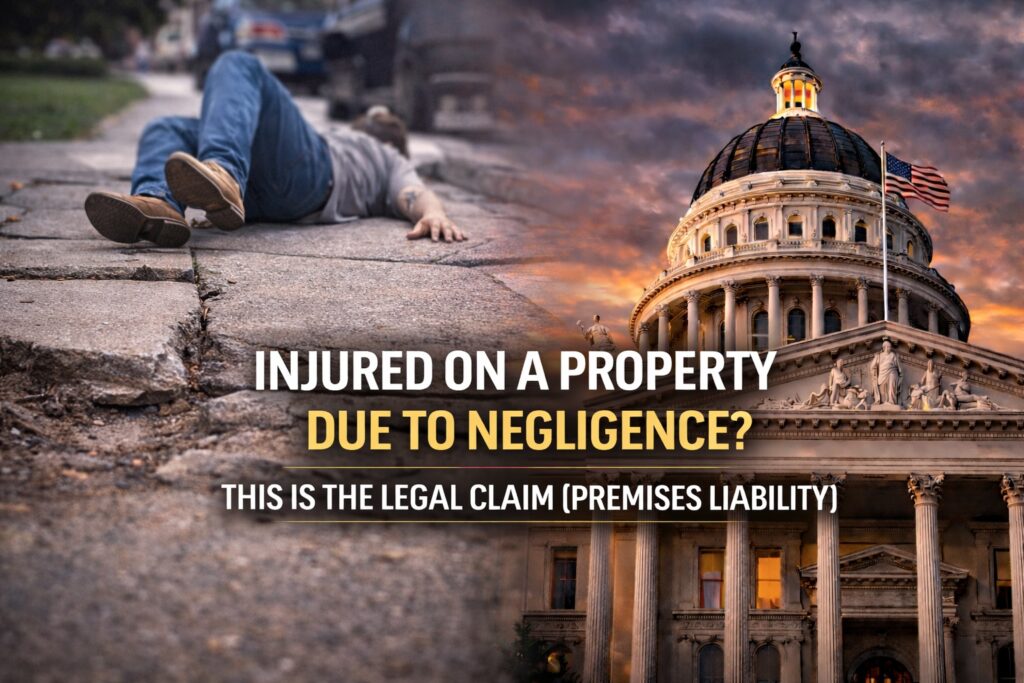
Most premises liability cases are built on a simple legal principle: negligence.
When a property owner, occupier, or manager fails to use reasonable care to maintain safe premises—and someone is injured as a result—that failure can give rise to a premises liability cause of action based on negligence.
At WIN Injury & Accident Trial Lawyers, we routinely prove premises liability cases by establishing the classic elements of negligence: duty, breach, causation, and damages.
What Is Ordinary Negligence in Premises Liability?
Ordinary negligence occurs when a person or entity fails to act with the level of care that a reasonably careful property owner or operator would use under similar circumstances.
In the premises liability context, negligence typically involves a failure to:
- Inspect the property for hazards
- Repair dangerous conditions
- Warn of known or discoverable dangers
- Maintain property in a reasonably safe condition
When these failures lead to injury, the responsible party may be held liable.
Premises Liability Is a Form of Negligence
Under California law, premises liability is not a separate tort—it is a type of negligence claim that arises from unsafe property conditions.
The same four elements apply:
- Duty of care
- Breach of that duty
- Causation
- Damages
The difference is that the duty arises from ownership, possession, control, or management of property.
The Elements of Ordinary Negligence in a Premises Liability Case
1. Duty of Care
Property owners, occupiers, and managers owe a duty to use reasonable care to keep their premises safe for foreseeable users.
This duty is owed to:
- Customers and patrons
- Tenants and residents
- Guests and invitees
- Delivery drivers and service workers
- Members of the public lawfully on the property
The scope of the duty depends on control, not just ownership.
2. Breach of Duty
A breach occurs when the responsible party fails to act as a reasonably careful property owner or operator would under similar circumstances.
Common breaches include:
- Failing to fix broken stairs or handrails
- Ignoring spills or slippery floors
- Allowing poor lighting to persist
- Leaving uneven walkways or tripping hazards
- Failing to secure dangerous areas
- Ignoring prior complaints or inspection reports
A defendant does not need to intend harm—carelessness is enough.
3. Causation
To establish liability, the plaintiff must show that the unsafe condition was a substantial factor in causing the injury.
This often involves proving that:
- The hazard existed before the incident
- The injury would not have occurred absent the dangerous condition
- The harm was a foreseeable result of the negligence
Surveillance footage, photographs, witness testimony, and expert opinions are often key evidence.
4. Damages
Finally, the injured person must prove actual harm, such as:
- Medical expenses
- Lost wages or loss of earning capacity
- Pain and suffering
- Permanent disability or impairment
Without damages, there is no negligence claim—no matter how unsafe the property was.
Who Can Be Liable Under an Ordinary Negligence Theory?
Ordinary negligence premises liability claims may be brought against:
- Property owners
- Landlords
- Property management companies
- Commercial tenants
- Business operators
- Homeowners’ associations (HOAs)
- Contractors and maintenance companies
- Public entities (subject to special rules)
Liability depends on who controlled the property or condition, not on job titles.
Common Defenses Raised in Negligence-Based Premises Cases
Defendants frequently argue:
- They did not know about the hazard
- The condition was “open and obvious”
- The injured person was careless
- Another party was responsible
These defenses do not defeat a claim automatically. Courts focus on reasonableness, foreseeability, and comparative fault.
Why Ordinary Negligence Matters in Premises Liability Cases
Framing a case around ordinary negligence:
- Simplifies jury understanding
- Anchors liability in familiar legal concepts
- Avoids unnecessary technical defenses
- Allows recovery even without statutory violations
Most successful premises cases are won on basic negligence principles, not exotic theories.
How WIN Proves Negligence in Premises Liability Cases
At WIN Injury & Accident Trial Lawyers, we:
- Identify who owed the duty of care
- Prove breach through records, witnesses, and experts
- Establish causation using physical and medical evidence
- Document damages comprehensively
- Anticipate and defeat common defenses
We build premises liability cases the way juries understand them—step by step.
Frequently Asked Questions
Is premises liability always based on negligence?
Yes. Premises liability is a form of negligence under California law.
Do I need to prove the owner intended harm?
No. Ordinary carelessness is sufficient.
Can multiple parties be negligent?
Yes. California law allows shared fault among multiple defendants.
What if I was partly at fault?
Comparative fault may reduce damages, but it does not bar recovery.
Injured Due to Unsafe Property Conditions? WIN Can Help.
If you were injured because a property owner, occupier, or manager failed to use reasonable care, you may have a valid premises liability claim based on ordinary negligence.
WIN Injury & Accident Trial Lawyers represents injured people statewide in serious premises liability cases.
📞 Contact us today for a confidential consultation.
Get Help From WIN Injury & Accident Trial Lawyers
Why Legal Representation Matters
Insurance companies often undervalue pain and suffering—offering minimal settlements that ignore your daily struggles. A skilled attorney can:
- Present powerful evidence of your emotional and physical suffering
- Retain expert witnesses to quantify your losses
- Use verdict data to justify higher multipliers or per diem rates
- Argue your case persuasively before a jury
At WIN Trial Lawyers, our team fights to ensure that your recovery reflects the full extent of your suffering—not just your bills.

At WIN Trial Lawyers, we know how personal injury claims can be can be. Victims often face mounting medical bills, lost wages, and emotional trauma. Our team has successfully taken on insurance companies and third parties, recovering millions for injured clients.
If you or a loved one has been injured in an accident, don’t leave your future in the hands of the insurance company. You need experienced trial lawyers who know how to prove liability and fight for maximum compensation.
If you or a loved one has been injured, don’t face this alone. The sooner you act, the stronger your case will be.