


HeaHeadaches are one of the most common—and most misunderstood—symptoms after a car accident. Many crash victims assume a headache is simply stress, muscle tension, or soreness that will fade with time. Others try to “push through it,” especially if they did not hit their head or did not go to the hospital immediately after the crash.
In reality, a post-accident headache can be an early warning sign of a serious underlying injury, including a concussion, traumatic brain injury (TBI), whiplash-related cervical injury, or even internal head trauma. These conditions are frequently delayed in onset, meaning symptoms may not fully appear until hours or days after the accident—long after adrenaline has worn off.
At WIN Injury & Accident Trial Lawyers, we regularly represent accident victims whose so-called “minor headache” was later diagnosed as a significant injury. In many cases, the warning signs were initially dismissed—by the injured person, by medical providers, or by insurance companies—until the condition worsened and began interfering with work, daily life, and long-term health.
This guide explains why headaches happen after car accidents, when they may signal something more serious, and what injured victims should do to protect both their health and their legal rights.
Why Do Headaches Happen After a Car Accident?
Car accidents expose the body—particularly the brain, neck, and upper spine—to sudden acceleration and deceleration forces. These forces occur even in low-speed collisions and do not require a direct impact to the head to cause injury.
When the body is abruptly thrown forward and backward or side to side, delicate structures in the head and neck can be strained, compressed, or disrupted. As a result, headaches are often one of the first symptoms to appear.
Common causes of post-accident headaches include:
- Concussions or mild traumatic brain injuries (TBIs), caused by the brain moving inside the skull
- Whiplash and cervical spine injuries, which can refer pain upward into the head
- Muscle strain and ligament damage, especially in the neck and shoulders
- Brain bruising or bleeding, which may not be immediately apparent
- Nerve irritation or compression, leading to radiating or persistent head pain
- Stress and post-traumatic response, which can intensify or prolong headache symptoms
The difficulty is that very different injuries can produce very similar headache symptoms. A tension-style headache from muscle strain may feel similar to a concussion headache in the early stages. More serious conditions—such as brain bleeding—may initially present as “just a headache” before rapidly worsening.
That is why proper medical evaluation and follow-up are critical after any car accident involving head or neck pain. Headaches are not something to guess about or ignore—they are the body’s signal that something may be wrong beneath the surface.
When a Headache May Be a Concussion
A concussion occurs when the brain moves violently inside the skull, disrupting normal brain function. This can happen even if you never hit your head.
Headache-related concussion red flags include:
- Persistent or worsening headache
- Pressure or tightness in the head
- Headache that worsens with activity or concentration
- Sensitivity to light or noise
- Dizziness, nausea, or balance problems
- Difficulty concentrating or thinking clearly
Concussion headaches often do not appear immediately. Adrenaline can mask symptoms for hours or even days after the crash.
When a Headache Could Be Something More SWhen a Headache May Be Something More Serious
While many post-accident headaches are treatable, some signal injuries that require immediate medical attention. These warning signs should never be ignored, especially in the hours or days following a car crash.
Seek urgent medical care if a headache is accompanied by:
- Repeated vomiting, which may indicate increased pressure in the brain
- Confusion or disorientation, including trouble answering basic questions or recognizing people or places
- Slurred speech or difficulty speaking clearly
- Unequal or dilated pupils, a potential sign of brain injury or bleeding
- Loss of consciousness, even for a few seconds
- Seizures or convulsions
- Severe neck pain or stiffness, which may signal spinal or brain injury
- A headache that rapidly worsens or becomes unbearable
These symptoms may indicate brain bleeding, swelling, skull fracture, or spinal injury—all of which can be life-threatening if not treated immediately. Prompt medical intervention can prevent permanent damage and, in some cases, save lives.
Headache vs. Whiplash: Why the Neck Matters
Not all post-accident headaches originate in the head. In fact, many are caused by injuries to the neck, particularly whiplash.
Whiplash occurs when the head and neck are violently thrown forward and backward, stretching and tearing muscles, ligaments, and soft tissues in the cervical spine. This trauma can trigger headaches that feel deceptively similar to concussion-related pain.
Common symptoms of whiplash-related headaches include:
- Tension-style headaches that feel like tightness or pressure
- Pain radiating from the base of the skull up toward the temples or forehead
- Headaches that worsen with neck movement or prolonged sitting
- Shoulder, upper-back, and neck pain, often accompanied by stiffness or reduced range of motion
Because whiplash headaches are often labeled as “just muscle pain,” they are frequently undertreated. In reality, these injuries can persist for months, interfere with sleep and concentration, and significantly limit a person’s ability to work or perform daily activities.
Proper diagnosis—often involving physical exams, imaging, and follow-up care—is essential to distinguish between whiplash-related headaches and more serious neurological injuries.
Delayed Headaches After a Car Accident
One of the most dangerous misconceptions following a car accident is the belief:
“If it was serious, I would have felt it right away.”
In reality, delayed headaches are extremely common after car crashes. Immediately after an accident, adrenaline and shock can temporarily mask pain and neurological symptoms. As those effects wear off—sometimes hours or even days later—headaches and other symptoms may begin to surface.
Delayed headaches are frequently associated with:
- Concussions, where brain dysfunction develops over time
- Brain inflammation, which may not be immediately apparent
- Soft-tissue injuries in the neck and upper spine
- Post-concussion syndrome, in which symptoms persist or worsen over weeks or months
Because symptoms do not appear right away, many injured victims delay seeking care—creating an opening for insurance companies to argue that the injury is unrelated to the crash. This is why prompt medical evaluation and ongoing documentation are critical, even if symptoms seem mild at first.
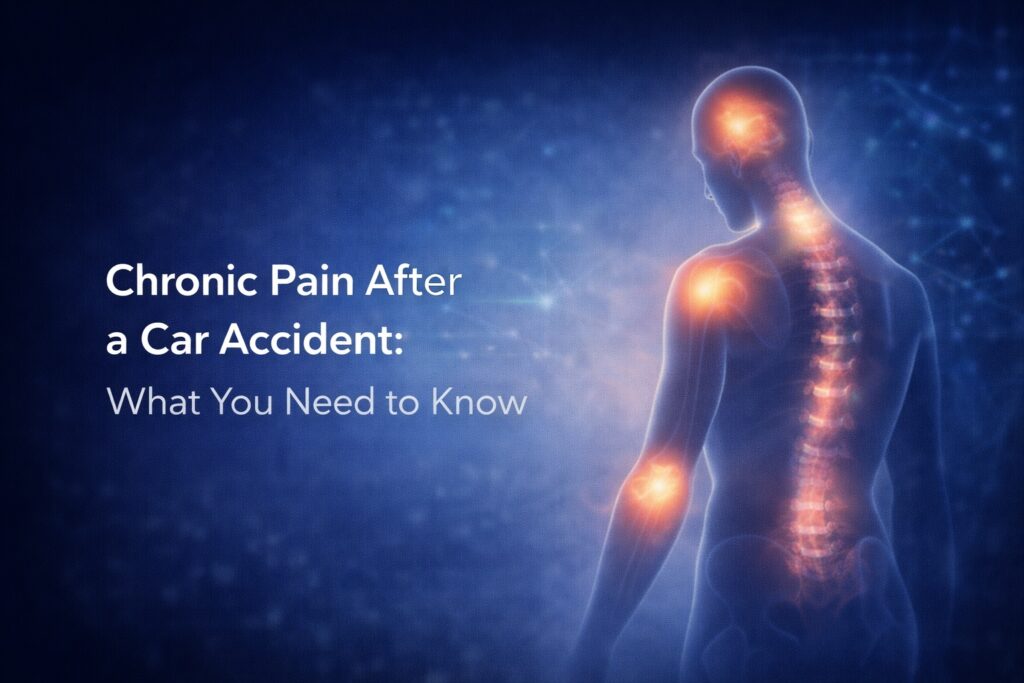
How Doctors Evaluate Post-Accident Headaches
Evaluating headaches after a car accident requires more than asking where it hurts. Medical providers look for signs of neurological, musculoskeletal, and cognitive impairment to determine the underlying cause.
Depending on symptoms and severity, doctors may use:
- Neurological exams to assess reflexes, strength, sensation, speech, and eye movement
- Cognitive testing to evaluate memory, concentration, processing speed, and mental clarity
- Balance and coordination assessments, which can reveal subtle brain or vestibular injuries
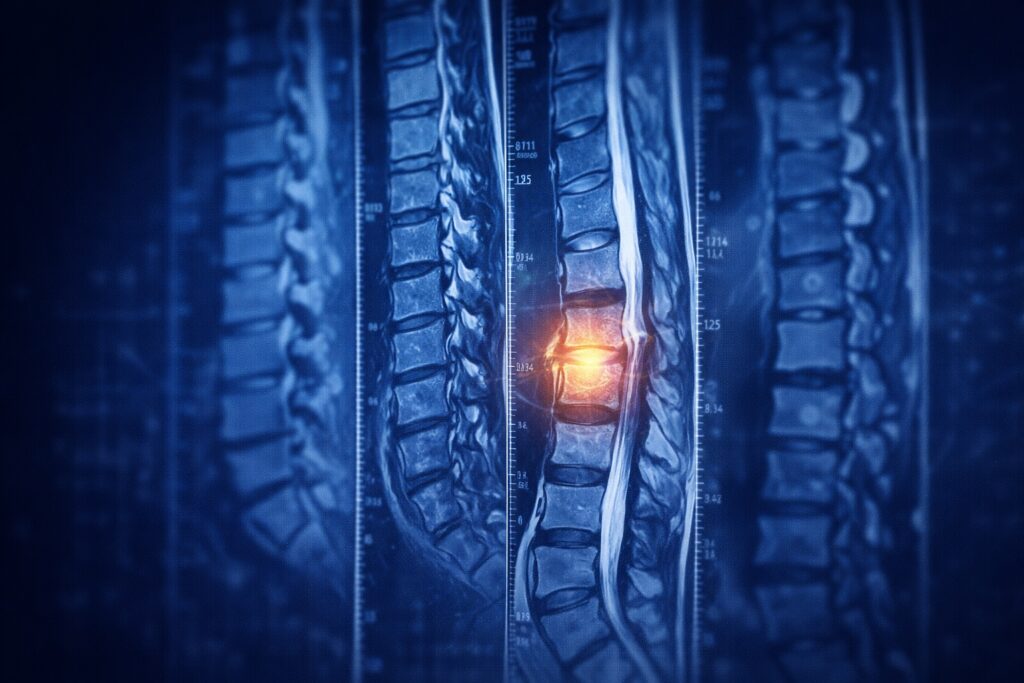
- CT scans or MRIs, when indicated, to rule out brain bleeding, swelling, or structural damage
- Cervical spine imaging to identify whiplash-related injuries, disc damage, or nerve compression
Importantly, normal imaging does not mean there is no injury. Many concussions and soft-tissue injuries do not appear on CT scans or MRIs, especially in the early stages. Doctors rely heavily on clinical exams and symptom tracking to make an accurate diagnosis.
This is why follow-up care matters. Persistent headaches should be monitored over time to ensure injuries are properly identified, treated, and documented—both for medical recovery and for protecting a potential injury claim.
Why Headaches Matter in Car Accident Claims
Headaches after a car accident are not just a medical concern—they are a legal one as well. In personal injury claims, headaches often serve as a key indicator of underlying injuries such as concussions, whiplash, or neurological trauma.
When headaches go untreated or undocumented, insurance companies frequently use that gap to:
- Undermine the legitimacy of the injury claim
- Minimize the seriousness of the injury
- Reduce settlement value
- Argue that symptoms are unrelated, exaggerated, or caused by something else
By contrast, proper diagnosis and consistent treatment help establish:
- The severity of the injury
- Causation, or the link between the accident and the symptoms
- The long-term impact on work, daily life, and future health
At WIN Injury & Accident Trial Lawyers, we work closely with medical providers to ensure injuries are fully evaluated, accurately documented, and properly valued. This coordination is often the difference between a denied claim and a fair recovery.
What If the Insurance Company Says It’s “Just a Headache”?
This is a common insurance tactic. Adjusters often attempt to downplay post-accident headaches by attributing them to:
- Stress or anxiety
- Dehydration
- Lack of sleep
- Pre-existing headache or migraine conditions
But headaches after a crash are frequently objective symptoms of real physical trauma. When supported by medical records, clinical exams, and expert opinion, they carry significant weight in injury claims.
Insurance companies may dismiss headaches because they know these injuries can be expensive to treat and difficult to resolve quickly. That does not make them insignificant—and it does not make them unrelated to the crash.
What You Should Do If You Have a Headache After a Car Accident
If you experience headaches after a car accident, taking the right steps early can protect both your health and your legal rights:
- Seek medical evaluation immediately, even if the headache seems mild or intermittent
- Monitor and track symptoms over the following days and weeks, noting changes or worsening pain
- Follow all medical advice and treatment plans, including referrals to specialists if recommended
- Avoid settling your claim too early, before the full scope of your injuries is known
- Speak with an experienced car accident attorney who understands how insurers evaluate head injury claims
Headaches may seem minor—but after a car accident, they often tell a much bigger story. Taking them seriously from the start is essential to protecting your recovery and your claim.
Injured in a Car Accident? We Can Help.
If you’re dealing with headaches after a car accident, do not ignore them—and do not let the insurance company minimize them.
At WIN Injury & Accident Trial Lawyers, we fight to ensure concussion and head injury victims are taken seriously and fully compensated.
How WIN Trial Lawyers Can Help
Insurance companies often downplay head injuries, especially when symptoms aren’t immediately visible. At WIN Trial Lawyers, we know how to fight back. Our attorneys work with top medical experts to prove the full extent of your injury and demand the compensation you deserve.
We’ve helped countless accident victims recover substantial settlements for concussion and brain injury claims — and we’ll do the same for you.
If you’ve suffered a concussion after a car accident, don’t wait to get help.
Contact WIN Trial Lawyers today for a free consultation.

At WIN Trial Lawyers, we know how devastating distracted driving accidents can be. Victims often face mounting medical bills, lost wages, and emotional trauma. Our team has successfully taken on insurance companies and distracted drivers, recovering millions for injured clients.
If you or a loved one has been injured in a speeding-related car accident, don’t leave your future in the hands of the insurance company. You need experienced trial lawyers who know how to prove liability and fight for maximum compensation.
If you or a loved one has been injured in a distracted driving accident, don’t face this alone. The sooner you act, the stronger your case will be.
🔗 Related Posts:
Frequently Asked Questions (FAQs): Headaches After a Car Accident
Can a headache after a car accident be a sign of a concussion?
Yes. Headaches are one of the most common symptoms of a concussion after a car accident. Even without a direct blow to the head, the rapid acceleration and deceleration of a crash can cause the brain to move inside the skull, resulting in a concussion.
How long after a car accident can concussion headaches appear?
Concussion-related headaches may appear immediately, hours later, or even days after the accident. Adrenaline can mask symptoms at first, which is why delayed headaches are common and should never be ignored.
When should I seek medical attention for a headache after a crash?
You should seek medical care immediately if your headache:
- Worsens over time
- Is accompanied by dizziness, nausea, or vomiting
- Comes with confusion, memory issues, or balance problems
- Occurs after any loss of consciousness
Urgent care is especially important if symptoms escalate quickly.
Can whiplash cause headaches after a car accident?
Yes. Whiplash injuries commonly cause headaches that originate in the neck and radiate to the head. These headaches often worsen with movement and may be mistaken for tension or stress headaches.
What if imaging tests show nothing is wrong?
Normal CT scans or MRIs do not rule out concussions or soft-tissue injuries. Many brain injuries do not appear on standard imaging but still cause serious symptoms that require treatment and documentation.
Will insurance companies take concussion headaches seriously?
Often, no—unless properly documented. Insurance companies frequently minimize headaches as stress or minor injuries. Consistent medical treatment and legal representation help ensure your symptoms are taken seriously.
Can I file a personal injury claim for headaches after a car accident?
Yes. If your headaches are caused by a concussion, whiplash, or other crash-related injury, they may be compensable as part of a personal injury claim. Medical records are key to establishing this connection.
What if my headaches started days after the accident?
Delayed symptoms are common and medically recognized. However, insurance companies often dispute them. Prompt medical evaluation once symptoms appear is critical to protecting your claim.
Should I settle my car accident claim if I still have headaches?
No. Settling too early can permanently limit your recovery. Headaches may signal a concussion or long-term injury that has not fully revealed itself. Always consult an attorney before settling.
How can WIN Injury & Accident Trial Lawyers help?
At WIN Injury & Accident Trial Lawyers, we work with medical experts to prove the seriousness of post-accident headaches and fight insurance companies that try to downplay head injuries.
Can stress alone cause headaches after a car accident?
Stress can contribute to headaches, but post-accident headaches should never be assumed to be stress-related without medical evaluation. After a crash, headaches are often caused by concussions, whiplash, or nerve irritation—even when stress is also present.
Can airbags cause headaches or concussions?
Yes. Airbag deployment can cause concussions or head and neck injuries due to the force involved. Headaches following airbag deployment should be evaluated for potential brain or cervical spine injury.
What if my headache gets worse with screens or bright lights?
Sensitivity to light or screens is a common symptom of concussions. If your headache worsens when using phones, computers, or watching TV, it may indicate a brain injury rather than a simple tension headache.
Can headaches after a car accident affect my ability to work?
Yes. Persistent headaches can interfere with concentration, memory, screen use, and physical stamina. Many accident victims require modified work duties, reduced hours, or time off during recovery.
Are migraines after a car accident considered a concussion?
Not always, but car accidents can trigger migraines or worsen pre-existing migraine conditions. Medical evaluation is needed to determine whether the migraines stem from a concussion, whiplash, or nerve injury.
What if I had headaches before the accident?
A pre-existing condition does not bar recovery. If the car accident aggravated or worsened your headaches, the at-fault party may still be responsible for the increased severity or frequency.
How long do concussion headaches usually last?
Concussion headaches can last from a few days to several months. In some cases, they develop into post-concussion syndrome, requiring ongoing treatment and rehabilitation.
Can children get concussions from car accidents?
Yes. Children are especially vulnerable to concussions in car accidents, even at low speeds. Headaches, irritability, sleep changes, or trouble concentrating should be evaluated promptly.
Do I need a neurologist for post-accident headaches?
Not always, but referral to a neurologist is common when headaches persist, worsen, or involve neurological symptoms. Specialist care also strengthens medical documentation.
Can physical therapy help headaches after a car accident?
Yes. Physical therapy—especially cervical and vestibular therapy—can be very effective for headaches caused by whiplash or concussion-related balance issues.
📞 Contact WIN Injury & Accident Trial Lawyers for a free consultation.
You don’t pay unless we win.