

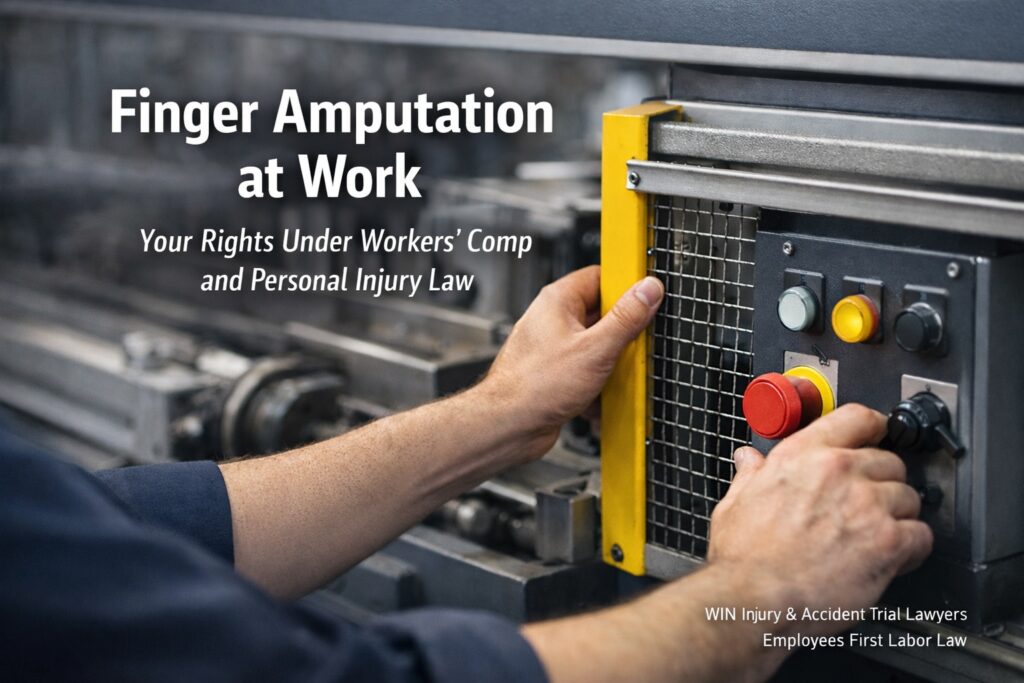
A finger amputation is one of the most physically and emotionally devastating workplace injuries a worker can suffer. Beyond the immediate trauma and medical emergency, these injuries often lead to permanent disability, loss of dexterity, chronic pain, and lifelong limitations that affect not only a person’s ability to work, but their independence and quality of life.
For many workers—especially those who rely on manual skill, precision, strength, or hand coordination—the loss of a finger can end a career entirely or force a drastic and permanent change in employment. Everyday tasks such as gripping tools, typing, driving, cooking, or caring for family members may become painful or impossible.
At WIN Injury & Accident Trial Lawyers and Employees First Labor Law, we routinely represent workers who suffered finger amputations on the job. Importantly, we do not limit our analysis to workers’ compensation alone. When dangerous machinery, defective equipment, missing guards, or third-party negligence played a role, we pursue both workers’ compensation benefits and third-party personal injury or product liability claims to ensure injured workers are fully compensated.
This guide explains how finger amputation injuries happen, what compensation may be available, and why many of these cases are worth far more than workers’ compensation benefits alone.
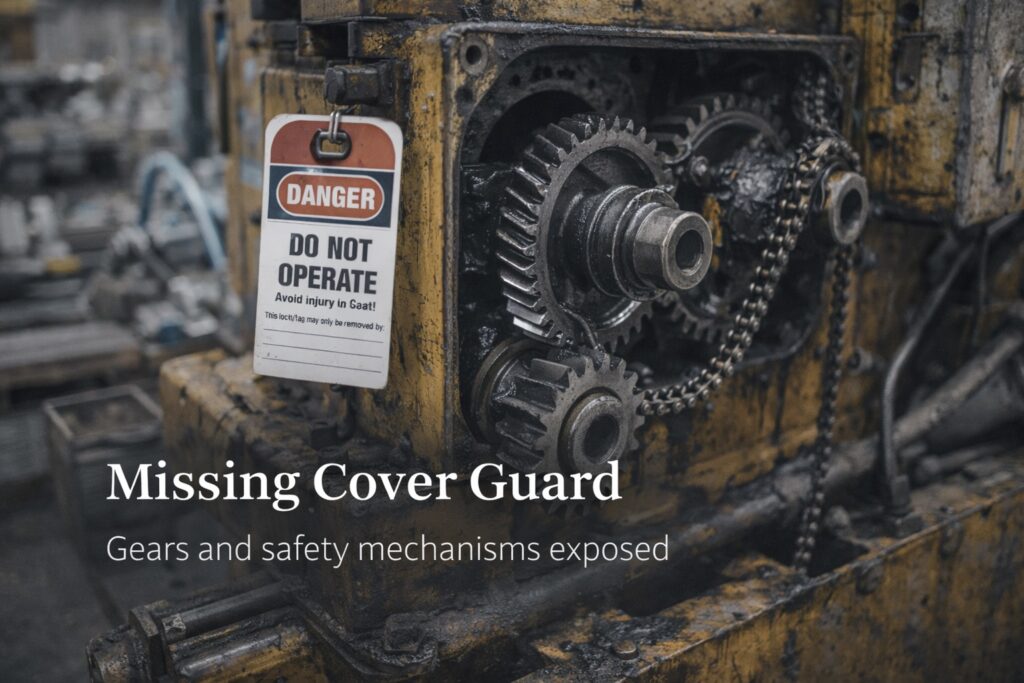
How Finger Amputations Happen at Work
Finger amputations most commonly occur in industrial, manufacturing, construction, food-processing, and warehouse environments, where workers regularly interact with machinery that has moving, rotating, cutting, or crushing components. These injuries often happen suddenly and violently, leaving little to no opportunity for a worker to react.
Common causes include:
- Unguarded or improperly guarded machinery, where hands are exposed to dangerous moving parts
- Presses, rollers, conveyors, batch freezers, and cutting equipment that pull, crush, or sever fingers
- Pinch points and rotating components that trap fingers during normal operation
- Unexpected machine startup during cleaning, clearing jams, or routine maintenance
- Disabled or bypassed safety interlocks and emergency stops
- Defective, poorly designed, or improperly modified equipment, including used or refurbished machines
Many amputations occur outside of normal production, such as during cleaning, maintenance, or troubleshooting—times when workers reasonably believe equipment is powered down or safe. In these cases, the danger is often foreseeable and preventable through proper design, guarding, lockout/tagout compatibility, and adequate warnings.
In far too many cases, finger amputations were entirely preventable. Proper safety guards, safer machine design, functional emergency stops, and clear warnings could have eliminated or dramatically reduced the risk. When those protections are missing, defeated, or ignored, responsibility often extends beyond the employer to manufacturers, distributors, equipment sellers, and third-party contractors.
Workers’ Compensation for Finger Amputation Injuries
If you lose part or all of a finger at work, you are generally entitled to workers’ compensation benefits regardless of fault. You do not need to prove that your employer did anything wrong to qualify. The workers’ compensation system is designed to provide immediate medical care and wage support after serious workplace injuries like amputations.
Workers’ compensation may cover:
- All reasonable and necessary medical treatment, including emergency care and follow-up treatment
- Surgery, hospitalization, and prosthetics (when medically indicated)
- Temporary disability benefits, providing partial wage replacement while you are unable to work
- Permanent disability benefits, based on impairment ratings that consider loss of function, strength, and dexterity
At Employees First Labor Law, we focus on making sure injured workers receive the full scope of workers’ comp benefits available under California law, including proper medical treatment, accurate disability ratings, and protection against premature claim closure.
Limits of Workers’ Compensation
While workers’ comp is critical, it has strict limitations—especially for catastrophic injuries like finger amputations.
Workers’ compensation does not cover:
- Pain and suffering
- Emotional distress or psychological trauma
- Full future wage loss or career impact
- Loss of enjoyment or quality of life
Permanent disability ratings often undervalue the real-world impact of losing a finger, particularly for workers who rely on fine motor skills, grip strength, or hand coordination. As a result, workers’ comp benefits alone are frequently inadequate to reflect the true cost of the injury.
That is why Employees First Labor Law works closely with injured workers to maximize their workers’ compensation recovery—while coordinating with personal injury counsel when a third-party claim may provide additional compensation beyond workers’ comp.
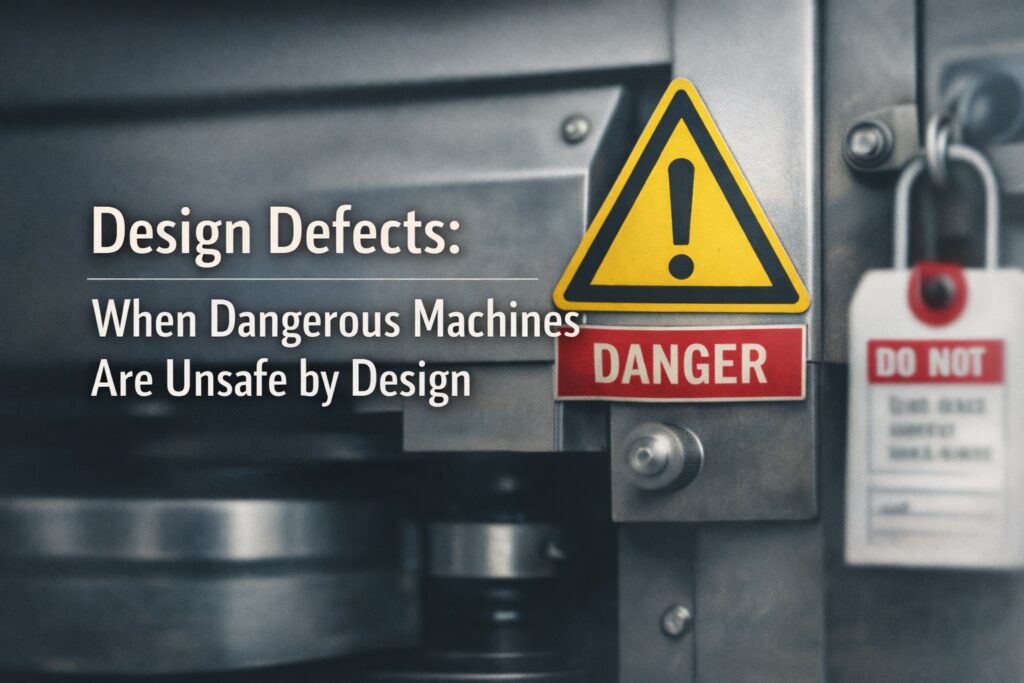
When a Personal Injury Claim Is Also Available
Many finger amputation cases involve third-party liability, meaning that someone other than the employer caused or contributed to the injury. This distinction is critical because while workers’ compensation limits what can be recovered, third-party claims open the door to full civil damages.
A personal injury or product liability claim may be available when the amputation was caused by:
- Defective machinery, including design defects, manufacturing defects, or failure to warn
- Missing, defeated, or bypassed safety guards, interlocks, or emergency stops
- Dangerous used or refurbished equipment that was unsafe when sold or placed back into service
- Outside contractors or maintenance vendors who improperly serviced, modified, or repaired machinery
- Unsafe machine modifications that increased risk or removed built-in safety protections
- Equipment suppliers, wholesalers, or retailers that placed unsafe machinery into the stream of commerce
These claims are brought in addition to workers’ compensation—not instead of it. Workers’ comp provides immediate medical care and limited wage benefits, while a third-party claim targets the parties legally responsible for the unsafe condition that caused the amputation.
Why Personal Injury Claims Matter in Amputation Cases
Unlike workers’ compensation, a personal injury or product liability claim recognizes the human cost of a finger amputation—not just the medical bills.
A successful third-party claim may allow recovery for:
- Pain and suffering, including physical pain and emotional trauma
- Disfigurement and permanent scarring, which can affect self-image and daily interactions
- Loss of hand function, grip strength, and dexterity, especially critical for skilled or manual workers
- Loss of future earning capacity, including forced career changes or reduced work opportunities
- Loss of enjoyment and quality of life, covering everyday activities that become difficult or impossible
Because finger amputations often cause permanent functional limitations, personal injury damages can far exceed workers’ compensation benefits. In serious cases involving defective machinery or egregious safety failures, third-party claims can dramatically increase total recovery, sometimes by six or seven figures, depending on the severity of the injury, the worker’s occupation, and the degree of liability.
For many injured workers, pursuing a personal injury claim is the only way to obtain compensation that truly reflects the lifelong impact of losing a finger.
Common Machines Involved in Finger Amputations
Finger amputations most often occur around industrial machinery with moving, cutting, crushing, or pulling components—especially equipment designed for speed, repetition, or automation. These machines are common in manufacturing, food processing, construction, and warehouse settings, and they frequently place workers’ hands in close proximity to danger zones.
We regularly see finger amputations involving:
- Presses and stamping machines, which can crush fingers instantly if guards, light curtains, or two-hand controls are missing or defeated
- Conveyors and rollers, which can pull fingers into pinch points when clothing, gloves, or hands get caught
- Batch freezers and food-processing equipment, where rotating paddles, blades, or internal components remain hazardous during cleaning or maintenance
- Saws, cutters, and shears, including industrial cutting equipment designed to operate rapidly and repeatedly
- Packaging and automated production machines, where high-speed movement and tight tolerances leave little margin for error
Many of these machines are well known within the industry to require specific safety protections, including physical guards, interlocks, emergency stops, and lockout/tagout-compatible designs. Yet in real-world workplaces, those protections are often removed, bypassed, disabled, or ignored in the name of productivity, convenience, or cost savings.
Finger amputations frequently occur not during normal production, but during:
- Cleaning
- Clearing jams
- Routine maintenance
- Troubleshooting or adjustments
At those moments, workers reasonably believe the machine is safe—or should be safe. When a machine allows access to dangerous components without proper guarding or fails to prevent unexpected startup, the risk of catastrophic injury increases dramatically.
In many cases, these amputations were foreseeable and preventable. Proper machine design, functional safety systems, and adherence to basic safety principles could have eliminated or significantly reduced the danger. When those safeguards are missing or defeated, responsibility often extends beyond the employer to manufacturers, equipment sellers, and third parties who placed or kept unsafe machines in service.
Proving Liability in a Finger Amputation Case
Successful personal injury and product liability claims in finger amputation cases require thorough investigation and technical proof. These cases are rarely won on assumptions or surface-level facts. Instead, they are built by reconstructing how and why the machine failed to protect the worker.
Common forms of evidence include:
- Engineering and machine-safety experts who analyze design, guarding, and foreseeable use
- Inspection of the actual equipment, including guards, interlocks, and emergency stops
- OEM manuals, schematics, and safety specifications that establish what protections should have been in place
- Evidence of prior similar injuries, recalls, or safety bulletins, showing known dangers
- Proof of foreseeable misuse or missing safeguards, particularly when safety features were easy to bypass or routinely defeated in real-world use
In many cases, liability is not limited to a single party. Defects and safety failures often occur across the entire lifecycle of the machine—from design and manufacture, to sale, refurbishment, installation, and maintenance.
At WIN Injury & Accident Trial Lawyers, we dig deeply into the design, manufacture, sale, refurbishment, and maintenance history of the equipment. This allows us to identify every responsible party, including manufacturers, distributors, sellers of used equipment, and third-party maintenance contractors—ensuring accountability does not stop at the employer.
How Workers’ Comp and Personal Injury Claims Work Together
When both workers’ compensation and personal injury claims exist, strategy and coordination are critical. Each claim serves a different purpose and follows different legal rules.
- Workers’ compensation provides immediate medical treatment and partial wage replacement, regardless of fault
- The personal injury or product liability case seeks full civil damages from third parties responsible for the unsafe condition
However, these cases are interconnected. Any workers’ compensation benefits paid may create a lien against part of a third-party recovery. If not handled properly, that lien can significantly reduce the injured worker’s net take-home compensation.
Handling both sides together—through EFLL × WIN—helps avoid costly mistakes, such as:
- Settling one case too early, before the full scope of damages is known
- Failing to preserve evidence critical to the third-party claim
- Mishandling or overlooking workers’ comp lien rights
- Undervaluing future medical care, disability, or career impact
By coordinating workers’ compensation and personal injury claims from the start, injured workers are far better positioned to maximize total recovery, protect their long-term interests, and ensure that every responsible party is held accountable.
What To Do After a Finger Amputation at Work
If you or a loved one suffered a finger amputation:
- Seek immediate medical care
- Report the injury to your employer
- Preserve evidence, including the machine involved
- Do not assume workers’ comp is your only remedy
- Speak with attorneys who handle both workers’ comp and personal injury
Key Takeaway
A finger amputation at work is not just a workers’ compensation case.
In many situations, it is also a serious personal injury and product liability claim involving dangerous machinery, missing guards, or defective equipment.
Get Help From WIN Injury & Accident Trial Lawyers
Why Legal Representation Matters
Insurance companies often undervalue pain and suffering—offering minimal settlements that ignore your daily struggles. A skilled attorney can:
- Present powerful evidence of your emotional and physical suffering
- Retain expert witnesses to quantify your losses
- Use verdict data to justify higher multipliers or per diem rates
- Argue your case persuasively before a jury
At WIN Trial Lawyers, our team fights to ensure that your recovery reflects the full extent of your suffering—not just your bills.

At WIN Trial Lawyers, we know how personal injury claims can be can be. Victims often face mounting medical bills, lost wages, and emotional trauma. Our team has successfully taken on insurance companies and third parties, recovering millions for injured clients.
If you or a loved one has been injured in an accident, don’t leave your future in the hands of the insurance company. You need experienced trial lawyers who know how to prove liability and fight for maximum compensation.
If you or a loved one has been injured, don’t face this alone. The sooner you act, the stronger your case will be.
🔗 Related Posts:
Frequently Asked Questions: Finger Amputation at Work
Is a finger amputation at work always covered by workers’ compensation?
Yes. If you lose part or all of a finger while performing your job duties, workers’ compensation generally covers medical treatment and disability benefits regardless of fault. You do not need to prove your employer did anything wrong to receive benefits.
Can I sue for a finger amputation at work?
Often, yes. While you usually cannot sue your employer directly, you may be able to bring a personal injury or product liability claim against a third party, such as:
- A machinery manufacturer
- An equipment distributor or supplier
- A company that sold used or refurbished equipment
- An outside maintenance or service contractor
These claims exist in addition to workers’ compensation.
What if my employer says workers’ comp is my only option?
That is a common misconception. Workers’ comp is often only part of the recovery. If defective equipment, missing guards, or third-party negligence caused the amputation, a separate personal injury claim may significantly increase compensation.
What compensation does workers’ comp provide for finger amputations?
Workers’ compensation may cover:
- Medical treatment and surgery
- Temporary disability payments
- Permanent disability benefits based on impairment ratings
However, it does not compensate for pain and suffering, emotional distress, or full future wage loss.
What additional damages are available in a personal injury claim?
A personal injury or product liability claim may allow recovery for:
- Pain and suffering
- Disfigurement and permanent scarring
- Loss of hand function and dexterity
- Loss of future earning capacity
- Loss of enjoyment and quality of life
These damages are often substantial in amputation cases.
What machines most commonly cause finger amputations?
Finger amputations frequently involve:
- Presses and stamping machines
- Conveyors and rollers
- Batch freezers and food-processing equipment
- Saws, cutters, and shears
- Packaging and automated production machinery
Many cases involve missing guards, bypassed safety systems, or unexpected startup.
What if the machine was old or used?
The age of the machine does not eliminate liability. Sellers of used or refurbished equipment may still be responsible if the machine was unsafe when sold or not restored to proper safety specifications.
Does it matter if the injury happened during cleaning or maintenance?
No. In fact, many amputations occur during cleaning or maintenance due to:
- Inadequate lockout/tagout procedures
- Defective safety interlocks
- Poor machine design
These circumstances often strengthen third-party liability claims.
Will workers’ comp take money from my personal injury settlement?
Possibly. Workers’ compensation may assert a lien on part of a third-party recovery. Proper coordination between the cases is critical to maximize your net recovery and negotiate the lien effectively.
Why is it important to work with attorneys who handle both claims?
Handling workers’ comp and personal injury together helps:
- Avoid settling one case too early
- Preserve evidence
- Protect lien rights
- Maximize total compensation
This coordinated approach is a key advantage of working with WIN Injury & Accident Trial Lawyers and Employees First Labor Law.
What should I do immediately after a finger amputation at work?
You should:
- Seek emergency medical care
- Report the injury to your employer
- Preserve the machine and any evidence
- Avoid giving recorded statements without legal advice
- Speak with experienced workers’ comp and personal injury attorneys
What if only part of my finger was amputated?
Partial amputations are still considered serious, permanent injuries. Even loss of a fingertip can affect grip strength, dexterity, sensation, and job performance. Both workers’ comp and personal injury claims may still apply.
Does it matter which finger was amputated?
Yes. Loss of the thumb or index finger is often rated more severely because it significantly affects hand function. However, any finger amputation can support substantial compensation, especially when work requires fine motor skills or manual labor.
What if my finger was crushed and later amputated surgically?
Delayed amputations are common. If a crushing injury leads to infection, necrosis, or non-viable tissue requiring later amputation, it is still treated as an amputation injury for legal and medical purposes.
Can repetitive machine use that leads to amputation qualify?
Yes. Some amputations result from cumulative trauma or repeated exposure to unsafe machinery rather than a single incident. These cases often involve poor machine design, lack of guarding, or foreseeable misuse.
What if OSHA investigates my injury?
An OSHA investigation can be helpful but is not required to bring a workers’ comp or personal injury claim. OSHA findings may support liability, but your case does not depend on OSHA issuing a citation.
Can I recover compensation if my employer violated safety rules?
Safety violations can strengthen third-party claims and may affect workers’ comp benefits in some situations. However, even without a violation, compensation may still be available.
What if the machine guard was removed before my injury?
Missing or removed guards are a major red flag. Liability may extend to:
- Equipment manufacturers
- Sellers of used or refurbished machinery
- Employers or contractors who modified the machine
Foreseeable removal of guards often supports design-defect or failure-to-warn claims.
Does comparative fault apply in finger amputation cases?
Workers’ compensation does not consider fault. In personal injury cases, fault may be argued—but manufacturers and sellers cannot avoid responsibility by blaming workers for foreseeable conduct.
How long do I have to file a claim?
Deadlines vary:
- Workers’ comp claims have strict notice and filing requirements
- Personal injury claims generally have statutes of limitation
Waiting too long can jeopardize your rights. Early legal advice is critical.
Can I recover if the amputation prevents me from returning to my job?
Yes. Loss of earning capacity is a key component of damages in personal injury cases and may also affect permanent disability benefits under workers’ comp.
What if the machine was imported or sold by a distributor?
Distributors, suppliers, and sellers of imported machinery may be liable—especially if the manufacturer is overseas. These cases often involve product liability claims against U.S.-based sellers.
Why is early investigation so important in amputation cases?
Because machines are often repaired, modified, or put back into service quickly. Early action helps preserve:
- The machine and guarding configuration
- Maintenance records
- Surveillance footage
- Witness testimony
This evidence can be decisive.
Why work with WIN Injury & Accident Trial Lawyers and Employees First Labor Law?
Because finger amputation cases often involve overlapping workers’ comp and third-party liability issues. Coordinated handling helps:
- Maximize total recovery
- Avoid lien mistakes
- Identify every responsible party
- Present a unified medical and legal narrative