
If you’re injured on someone else’s property, it’s natural to assume the owner will take responsibility. In reality, property owners and their insurance companies almost always raise predictable defenses designed to avoid liability or reduce the value of your claim.
Knowing these defenses — and how they’re challenged — is critical in California premises liability cases.
Premises Liability Cases Often Turn on Defenses, Not Just Injuries
Most property owners don’t deny that an injury occurred. Instead, they focus on arguments about fault, notice, and responsibility.
These defenses are not random. They are raised repeatedly because they work — unless they are properly challenged with evidence.
“We Didn’t Know About the Dangerous Condition”
One of the most common defenses is lack of notice. Property owners often argue they were unaware of the hazard.
But California law does not require actual knowledge.
A property owner may still be liable if they should have known about the condition through reasonable inspections. This is known as constructive notice.
Examples include:
- Hazards that existed long enough to be discovered
- Conditions that recur regularly
- Defects that would have been found with routine inspections
“The Condition Was Open and Obvious”
Another common defense is that the danger was so obvious that the injured person should have avoided it.
This argument is often overstated.
Even if a condition is visible, property owners may still have a duty to:
- Repair the hazard
- Block access
- Provide adequate warnings
California courts recognize that people can be distracted, rushed, or reasonably focused on their surroundings — especially in commercial settings.
“Someone Else Was Responsible”
Property owners frequently attempt to shift blame to:
- Property management companies
- Tenants or business operators
- Maintenance vendors or contractors
This defense often backfires.
California law focuses on control, not finger-pointing. Multiple parties may share responsibility when more than one entity had the ability to prevent the harm.
“You Were Partially at Fault”
Defendants commonly argue comparative fault, claiming the injured person:
- Was not paying attention
- Wore improper footwear
- Ignored warnings
California follows a pure comparative fault system. Even if an injured person is partially at fault, they may still recover damages — reduced only by their percentage of responsibility.
This defense reduces damages; it does not eliminate liability.
“The Condition Was Temporary or Just Happened”
Property owners often claim they had no reasonable opportunity to fix the hazard because it appeared moments before the accident.
Whether this defense succeeds depends on:
- How long the condition actually existed
- Whether similar hazards had occurred before
- Whether inspection procedures were reasonable
Temporary hazards do not automatically excuse unsafe conditions.
“You Assumed the Risk”
In certain situations, defendants argue that the injured person voluntarily assumed the risk of injury.
This defense is limited and typically applies only in specific recreational or inherently dangerous activities. It rarely applies to everyday premises liability cases involving stores, apartments, parking lots, or workplaces.
“There Were Warning Signs”
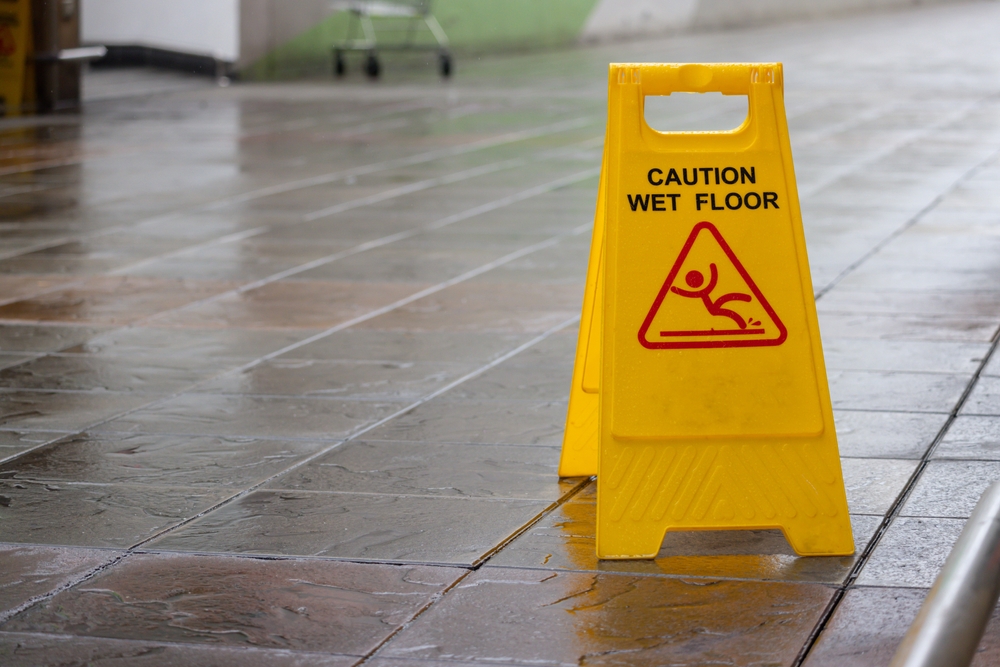
The presence of a warning sign does not automatically shield a property owner from liability.
Warnings must be:
- Visible
- Adequate
- Reasonably placed
- Sufficient to address the actual risk
A sign cannot substitute for repairing a known hazard when repair is feasible.
Why These Defenses Matter — and How They’re Defeated
Insurance companies raise these defenses early to:
- Discourage claims
- Reduce settlement value
- Shift blame away from ownership and control
Successful premises liability cases focus on:
- Inspection and maintenance records
- Prior complaints or incidents
- Surveillance footage
- Contracts showing responsibility and control
How WIN Injury & Accident Trial Lawyers Handles Defense Tactics
At WIN Injury & Accident Trial Lawyers, we anticipate these defenses before they’re raised.
Our approach includes:
- Identifying all responsible parties
- Preserving evidence early
- Exposing gaps in inspection and maintenance
- Preventing blame-shifting among defendants
We build cases designed to withstand the exact arguments property owners rely on.
Injured on Dangerous Property? Don’t Let Defenses Decide Your Case.
If you were injured because a property wasn’t properly maintained, defenses should not determine the outcome — the facts should.
📞 Contact WIN Injury & Accident Trial Lawyers for a free consultation.
We’ll evaluate the defenses being raised and fight to hold every responsible party accountable.
Get Help From WIN Injury & Accident Trial Lawyers
Why Legal Representation Matters
Insurance companies often undervalue pain and suffering—offering minimal settlements that ignore your daily struggles. A skilled attorney can:
- Present powerful evidence of your emotional and physical suffering
- Retain expert witnesses to quantify your losses
- Use verdict data to justify higher multipliers or per diem rates
- Argue your case persuasively before a jury
At WIN Trial Lawyers, our team fights to ensure that your recovery reflects the full extent of your suffering—not just your bills.

At WIN Trial Lawyers, we know how personal injury claims can be can be. Victims often face mounting medical bills, lost wages, and emotional trauma. Our team has successfully taken on insurance companies and third parties, recovering millions for injured clients.
If you or a loved one has been injured in an accident, don’t leave your future in the hands of the insurance company. You need experienced trial lawyers who know how to prove liability and fight for maximum compensation.
If you or a loved one has been injured, don’t face this alone. The sooner you act, the stronger your case will be.