

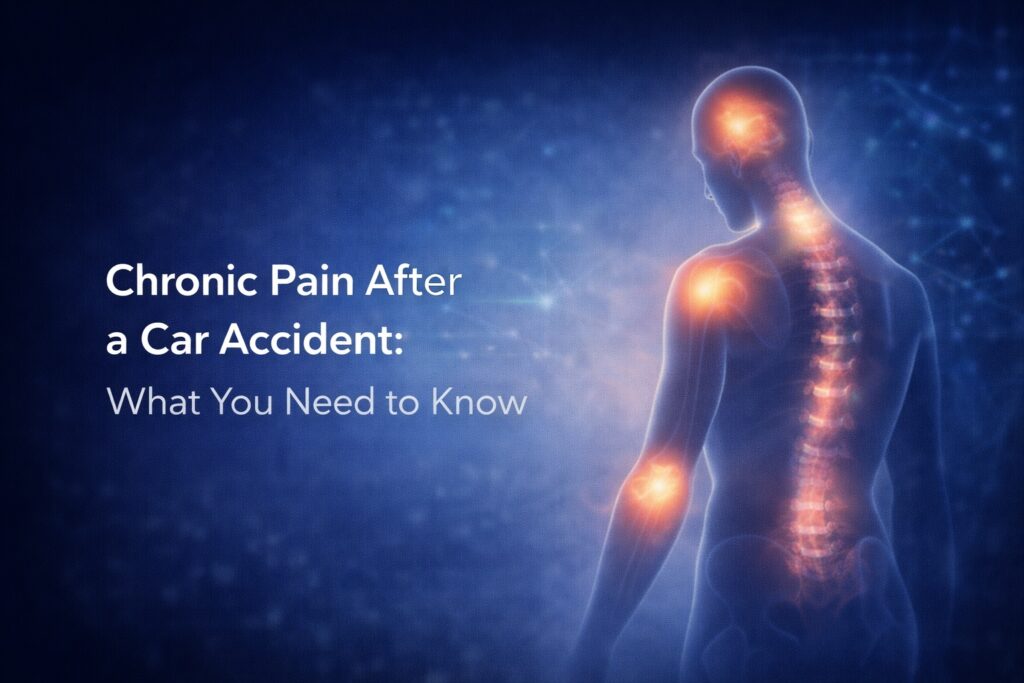
A car accident can change your life in an instant. While some injuries heal within weeks, others never truly go away. For many crash victims, the most devastating outcome isn’t a broken bone or a visible scar—it’s chronic pain that lingers long after the accident itself and disrupts daily life in ways that are difficult to explain to others.
Chronic pain can affect nearly every aspect of your life. It may interfere with your ability to work consistently, sleep through the night, concentrate on routine tasks, or enjoy activities you once took for granted. Over time, ongoing pain can also lead to emotional strain, frustration, and a sense of isolation—especially when others cannot see or fully understand what you are experiencing. Understanding how chronic pain develops, how it is treated, and how it is addressed legally is critical to protecting both your long-term health and your right to full compensation.
What Is Chronic Pain?
Chronic pain is generally defined as pain that lasts longer than three months, often continuing well after the initial injury should have healed. Unlike acute pain—which serves as the body’s immediate warning signal—chronic pain can persist indefinitely, fluctuate in intensity, and resurface unexpectedly. Some people experience constant discomfort, while others endure cycles of flare-ups that worsen with physical activity, stress, or even changes in weather.
After a car accident, chronic pain may develop from a variety of underlying injuries, including:
- Soft-tissue injuries that never fully resolve, such as damage to muscles, ligaments, or tendons
- Nerve damage, which can cause burning, tingling, numbness, or shooting pain
- Spinal or disc injuries, including herniated discs, facet joint damage, or spinal instability
- Traumatic brain injuries (TBIs), which can lead to chronic headaches, neck pain, or neurological symptoms
- Improper, delayed, or incomplete treatment, allowing minor injuries to worsen over time
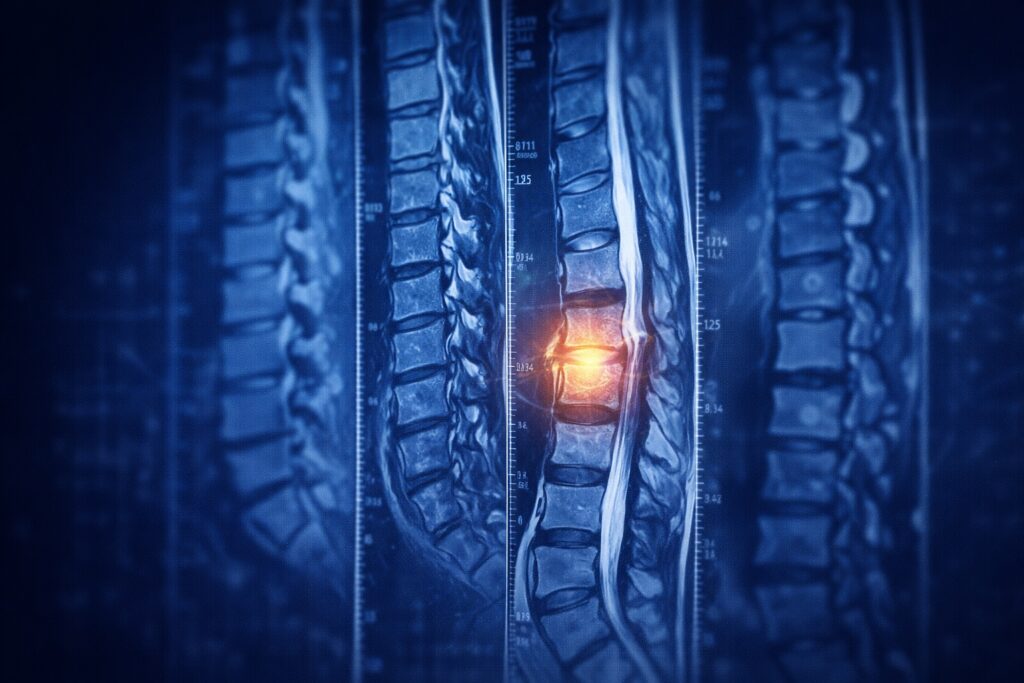
In many cases, imaging studies such as X-rays or MRIs may not fully explain the severity of a person’s pain. Chronic pain often involves microscopic nerve damage, inflammation, or abnormal pain signaling that does not show up clearly on standard scans. This disconnect between diagnostic imaging and real-world suffering is one of the reasons chronic pain is frequently misunderstood, questioned, or minimized—particularly by insurance companies.
Despite this skepticism, chronic pain is a legitimate medical condition recognized by physicians, pain specialists, and courts. When properly documented and treated, it can form the basis of a serious and compensable injury claim following a car accident.
Common Causes of Chronic Pain After a Car Accident
Car accidents expose the body to sudden, violent forces that can strain or damage muscles, joints, nerves, and the spine in ways that aren’t always immediately apparent. Even collisions that seem “minor” can cause injuries that evolve into long-term or permanent pain conditions if they are not properly diagnosed and treated.
Some of the most common accident-related injuries that lead to chronic pain include:
Whiplash and Neck Injuries
Whiplash occurs when the head is rapidly thrown forward and backward, stretching and tearing muscles, ligaments, and soft tissues in the neck. In more serious cases, the discs and facet joints of the cervical spine may also be affected. These injuries can cause ongoing neck pain, stiffness, headaches, shoulder pain, and reduced range of motion, sometimes lasting months or years after the crash.
Back and Spinal Injuries
The spine absorbs a tremendous amount of force during a car accident. Herniated or bulging discs, facet joint injuries, and spinal instability are common and can place pressure on nearby nerves. Victims may experience chronic lower or upper back pain, sciatica, numbness, or weakness, particularly with sitting, standing, or physical activity. Spinal injuries often worsen over time without proper care.
Nerve Damage
When nerves are stretched, compressed, or damaged during a collision, pain signals can become abnormal or constant. Nerve-related pain is often described as burning, shooting, electric, or tingling, and may be accompanied by numbness or weakness. Unlike muscle pain, nerve damage can be especially persistent and difficult to treat.
Chronic Headaches and Migraines
Post-traumatic headaches are a common but frequently underestimated consequence of car accidents. They often stem from concussions, whiplash injuries, or cervical spine damage. These headaches can occur daily or episodically and may be triggered by light, noise, stress, or physical exertion—significantly impacting quality of life.
Complex Regional Pain Syndrome (CRPS)
In some cases, trauma from a car accident disrupts the nervous system’s normal pain response, leading to Complex Regional Pain Syndrome (CRPS). This condition causes severe, persistent pain that is often disproportionate to the original injury and may include swelling, temperature changes, skin discoloration, and heightened sensitivity. CRPS can be life-altering and requires specialized treatment.
Symptoms of Chronic Pain
Chronic pain does not present the same way for everyone, and symptoms may fluctuate or worsen over time. Many victims experience a combination of physical, neurological, and emotional effects, including:
- Persistent aching, burning, or stabbing pain that does not fully resolve
- Pain that intensifies with activity, stress, or prolonged sitting or standing
- Radiating pain traveling into the arms, hands, legs, or feet
- Muscle spasms, stiffness, or weakness, especially in the neck and back
- Sleep disruption and chronic fatigue, which can compound pain levels
- Anxiety, depression, irritability, or mood changes linked to ongoing discomfort
- Difficulty concentrating or “brain fog,” particularly when pain interferes with rest and focus
These symptoms often interfere with work, relationships, and daily activities. Without proper medical intervention, chronic pain can become increasingly difficult to manage and may lead to long-term disability.
How Chronic Pain Is Diagnosed and Treated
Diagnosing chronic pain requires more than a single doctor visit. Physicians often rely on a combination of:
- Patient history and symptom reporting
- Physical and neurological exams
- Imaging studies (MRI, CT scans)
- Nerve conduction studies
- Pain specialist evaluations
Treatment may include physical therapy, medication, injections, nerve blocks, cognitive behavioral therapy, or long-term pain management. For many victims, treatment is ongoing and costly.
The Legal Impact of Chronic Pain in a Car Accident Case
From a legal standpoint, chronic pain is extremely significant. It often transforms what might seem like a “minor” accident into a high-value injury claim.
Chronic Pain and Compensation
When chronic pain results from a car accident caused by another driver’s negligence, California law allows injured victims to pursue compensation that reflects both the financial and personal impact of their injuries. Because chronic pain often requires ongoing care and affects daily functioning, these claims are frequently more complex—and more valuable—than cases involving short-term injuries.
Depending on the nature and severity of your condition, recoverable damages may include:
- Past and future medical expenses, including diagnostic testing, specialist visits, medications, injections, and long-term treatment
- Ongoing pain management and therapy, such as physical therapy, chiropractic care, nerve blocks, or pain specialist treatment
- Lost wages and reduced earning capacity, if chronic pain limits your ability to work, return to the same job, or maintain full-time employment
- Pain and suffering, accounting for persistent physical discomfort and limitations
- Emotional distress, including anxiety, depression, frustration, or sleep disruption caused by ongoing pain
- Loss of enjoyment of life, when injuries prevent participation in hobbies, family activities, or normal routines
- Long-term or permanent disability, when chronic pain results in lasting impairment or functional limitations
Because chronic pain affects nearly every aspect of a person’s life, pain and suffering damages often represent the largest portion of these cases, sometimes far exceeding medical bills or wage loss alone.
Why Insurance Companies Fight Chronic Pain Claims
Insurance companies routinely challenge chronic pain claims because they are harder to quantify and easier to dispute than visible injuries. Common insurer arguments include:
- Pain is subjective and not always visible on imaging studies
- MRI or CT scans may not fully explain the severity of symptoms
- Long-term or lifetime treatment significantly increases the value of the claim
Adjusters frequently argue that chronic pain is exaggerated, unrelated to the accident, or the result of pre-existing conditions rather than the crash itself. In some cases, they may also point to gaps in treatment or inconsistent medical records to undermine credibility.
This is why strong medical documentation, consistent treatment, and a coordinated legal strategy are critical in chronic pain cases. Properly presenting the medical evidence and real-world impact of pain can make the difference between a minimized settlement and full, fair compensation.
Proving Chronic Pain After a Car Accident
Successful chronic pain claims rely on strong evidence, including:
- Consistent medical treatment records
- Diagnoses from specialists (neurologists, pain management doctors)
- Documentation of symptom duration and progression
- Functional limitations affecting work and daily activities
- Testimony from family, friends, or coworkers
- Expert opinions linking the pain to the accident
A skilled personal injury attorney knows how to present this evidence clearly and persuasively—whether negotiating a settlement or presenting the case to a jury.
Why Legal Representation Matters
Insurance companies often undervalue pain and suffering—offering minimal settlements that ignore your daily struggles. A skilled attorney can:
- Present powerful evidence of your emotional and physical suffering
- Retain expert witnesses to quantify your losses
- Use verdict data to justify higher multipliers or per diem rates
- Argue your case persuasively before a jury
At WIN Trial Lawyers, our team fights to ensure that your recovery reflects the full extent of your suffering—not just your bills.

At WIN Trial Lawyers, we know how devastating distracted driving accidents can be. Victims often face mounting medical bills, lost wages, and emotional trauma. Our team has successfully taken on insurance companies and distracted drivers, recovering millions for injured clients.
If you or a loved one has been injured in a speeding-related car accident, don’t leave your future in the hands of the insurance company. You need experienced trial lawyers who know how to prove liability and fight for maximum compensation.
If you or a loved one has been injured in a distracted driving accident, don’t face this alone. The sooner you act, the stronger your case will be.
🔗 Related Posts:
Frequently Asked Questions About Chronic Pain Compensation
Can I receive compensation for chronic pain even if my accident was months ago?
Yes. Chronic pain often develops or worsens weeks or months after a car accident. As long as medical evidence connects your condition to the crash and you are within the statute of limitations, you may still pursue compensation.
What if my MRI or CT scan doesn’t clearly show the cause of my pain?
Imaging does not have to show a dramatic abnormality for chronic pain to be legitimate. Many chronic pain conditions involve nerve irritation, inflammation, or abnormal pain signaling that does not appear clearly on standard imaging. Medical records, specialist evaluations, and consistent treatment are often more important than a single scan.
Is chronic pain considered a permanent injury?
Not always—but it can be. Some people improve with treatment, while others experience long-term or permanent pain. The duration of symptoms, response to treatment, and impact on daily life determine how chronic pain is evaluated legally.
How much compensation can I receive for chronic pain?
There is no fixed amount. Compensation depends on factors such as:
- Severity and duration of pain
- Impact on work and earning ability
- Type and length of medical treatment
- Whether the condition is permanent
- Credibility of medical documentation
In many cases, pain and suffering damages make up the largest portion of a chronic pain settlement or verdict.
Can insurance companies deny a claim because pain is “subjective”?
They may try—but subjective does not mean invalid. Courts recognize chronic pain as a real medical condition. Well-documented treatment, specialist opinions, and testimony about daily limitations can overcome these arguments.
What if I had a pre-existing condition before the accident?
A pre-existing condition does not bar recovery. If a car accident aggravated or worsened an existing condition, California law allows compensation for the degree of worsening caused by the crash.
Do I need to see a specialist to support a chronic pain claim?
Often, yes. Evaluations from neurologists, pain management doctors, orthopedic specialists, or rheumatologists can significantly strengthen a claim by linking symptoms to the accident and explaining long-term effects.
Can chronic pain affect my ability to work and earn income?
Absolutely. Many people with chronic pain struggle with concentration, physical endurance, or consistent attendance. Compensation may include lost wages and reduced earning capacity, even if you can still work in a limited capacity.
How long does a chronic pain claim take to resolve?
Chronic pain cases often take longer than minor injury claims because the long-term nature of the injury must be established. Rushing a settlement too early can significantly undervalue the claim.
Do I need a lawyer for a chronic pain case?
Chronic pain claims are among the most aggressively contested by insurance companies. An experienced personal injury attorney can:
- Coordinate medical documentation
- Counter insurer minimization tactics
- Accurately value long-term damages
- Protect your claim from premature settlement
What should I do if I believe I’m developing chronic pain after a car accident?
Seek medical evaluation as soon as possible and document symptoms consistently. Early treatment and clear records are essential for both your health and your legal rights.