Understanding the law is important. Seeing how it applies in real cases is what makes it meaningful. Below are the core personal injury statutes — paired with examples of how they are commonly used in California injury claims.
These examples reflect situations we see every day, from car and truck accidents to premises liability and wrongful death cases. They help illustrate how abstract legal rules translate into real outcomes for injured people — including how liability is established, how damages are calculated, and why timing and evidence matter so much in personal injury cases.
Civil Code § 1714(a) — Duty of Reasonable Care
What the law does:
Establishes that everyone is responsible for injuries caused by their failure to use reasonable care.
Example:
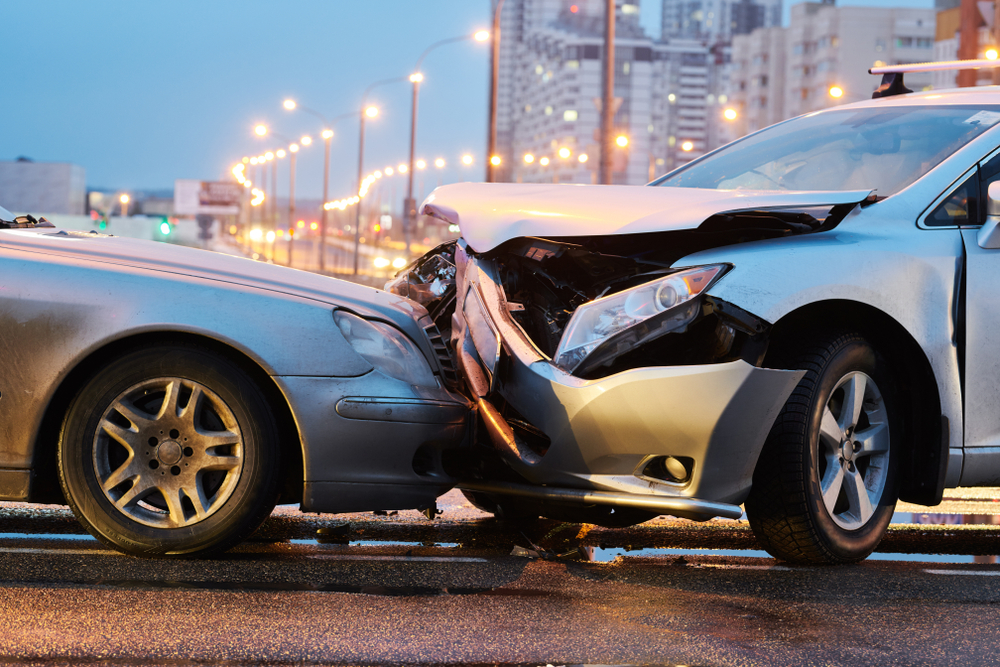
A driver looks down at their phone while approaching a red light and rear-ends the vehicle in front of them. Even without speeding or intoxication, the driver violated their duty of ordinary care. Civil Code § 1714(a) forms the legal basis for liability.
This statute applies to car accidents, slip-and-falls, unsafe premises, and everyday negligence cases.
Related WIN Blog Posts Applying Civil Code § 1714(a):
- Comparative Negligence in California: How Fault Affects Your Car Accident Claim
- Nerve Damage After a Car Accident: Symptoms, Causes, and Your Legal Rights
- California Civil Code § 1714(a): The Duty of Reasonable Care (Personal Injury)
Evidence Code § 669 — Negligence Per Se
What the law does:
Creates a presumption of negligence when a defendant violates a safety statute and causes harm.
Example:
A truck driver runs a red light in violation of the Vehicle Code and strikes a pedestrian in a crosswalk. Because the driver violated a traffic law designed to protect pedestrians, negligence is presumed — shifting the burden to the defense.
Negligence per se is powerful in traffic accidents, construction injuries, building code violations, and safety-rule cases.
Related WIN Blog Posts:
- Brake Failure Accidents: When a Mechanical Failure Turns Deadly
- Failure to Warn or Inadequate Instructions: When Dangerous Machines Put Workers at Risk
- Industrial Accidents: Hurt on Machinery, Your Rights, Claims, and Legal Options
Civil Code § 1431.2 (Proposition 51) — Comparative Fault
What the law does:
Limits joint and several liability for non-economic damages and allocates fault among parties.
Example:
A multi-car collision involves three drivers. One driver is 60% at fault, another 30%, and the plaintiff 10%. The injured person can still recover damages, but non-economic damages (pain and suffering) are allocated based on fault percentages.
This statute becomes critical in multi-defendant crashes, premises liability cases, and construction accidents.
Related WIN Blog Posts:
- Comparative Negligence in California: How Fault Affects Your Car Accident Claim
- Herniated or Bulging Discs After a Car Accident
- Interventional Treatment After a Car Accident: What It Is and When It’s Used
Civil Code § 3333 — General Damages
What the law does:
Allows recovery for all damages proximately caused by an injury.
Example:
After a serious car accident, a victim incurs medical bills, misses work for six months, and suffers chronic pain. Civil Code § 3333 supports recovery for past and future medical expenses, lost income, and pain and suffering.
This statute underpins every damages calculation in a PI case.
Related WIN Blog Posts:
- Chronic Pain After a Car Accident: What You Need to Know
- Complex Regional Pain Syndrome (CRPS) From a Car Accident
- Nerve Damage After a Car Accident: Symptoms, Causes, and Your Legal Rights
Civil Code § 3294 — Punitive Damages
What the law does:
Allows punitive damages for conduct involving malice, oppression, or fraud.
Example:
A drunk driver with prior DUI convictions causes a high-speed crash resulting in catastrophic injuries. The conduct goes beyond negligence and supports punitive damages to punish and deter similar behavior.
Punitive damages frequently arise in DUI crashes, product liability cases, and corporate safety violations.
Related WIN Blog Posts:
- Brake Failure Accidents: When a Mechanical Failure Turns Deadly
- Product Liability Claims Against Distributors and Suppliers: Who Is Legally Responsible?
- Product Liability Claims Against Wholesalers and Retailers (Used & Refurbished Machinery)
Code of Civil Procedure § 335.1 — Statute of Limitations
What the law does:
Sets a two-year deadline to file most personal injury lawsuits.
Example:
An injured motorcyclist waits more than two years to consult an attorney after a crash. Even with clear liability and severe injuries, the case is barred and cannot be filed.
This statute is one of the most unforgiving deadlines in personal injury law.
Government Code § 911.2 — Claims Against Government Entities
What the law does:
Requires injured parties to file a government claim within six months.
Example:
A cyclist is injured due to a dangerous roadway condition maintained by a city. If a government claim is not filed within six months, the lawsuit is usually permanently barred — regardless of how dangerous the condition was.
This statute applies to city, county, school district, and Caltrans cases.
Code of Civil Procedure § 377.60 — Wrongful Death
What the law does:
Defines who may bring a wrongful death lawsuit.
Example:
A married father of two is killed in a truck collision. His spouse and children bring a wrongful death claim for loss of financial support, companionship, and guidance.
Wrongful death claims often arise from fatal crashes, defective products, and workplace tragedies.
Related WIN Blog Posts:
- Brake Failure Accidents: When a Mechanical Failure Turns Deadly
- Industrial Accidents: Hurt on Machinery, Your Rights, Claims, and Legal Options
- Comparative Negligence in California
Code of Civil Procedure § 377.30 — Survival Actions
What the law does:
Allows recovery for damages the deceased could have pursued if they survived.
Example:
A victim survives for several weeks after a fatal accident, incurring medical bills and lost wages before passing away. A survival action allows recovery of those damages in addition to wrongful death claims.
Vehicle Code § 22350 — Basic Speed Law
What the law does:
Requires drivers to travel at a safe speed for conditions — not just the posted limit.
Example:
A driver traveling under the speed limit loses control during heavy rain and causes a collision. Even though they were not speeding, they violated the basic speed law.
This statute is used frequently in weather-related crashes and roadway condition cases.
Vehicle Code § 21950 — Pedestrian Right-of-Way
What the law does:
Protects pedestrians in marked and unmarked crosswalks.
Example:
A driver fails to yield to a pedestrian crossing at an intersection and causes serious injuries. Vehicle Code § 21950 strongly supports liability.
Vehicle Code § 23152 — DUI
What the law does:
Prohibits driving under the influence of alcohol or drugs.
Example:
A drunk driver causes a rear-end collision. In addition to negligence, the DUI statute often supports punitive damages due to reckless disregard for safety.
Why Case Examples Matter
Insurance companies know these statutes — and they know how juries respond to real-world applications of them. Tying the law to facts is what turns legal theory into real compensation.
Get Help From WIN Injury & Accident Trial Lawyers
Why Legal Representation Matters
Insurance companies often undervalue pain and suffering—offering minimal settlements that ignore your daily struggles. A skilled attorney can:
- Present powerful evidence of your emotional and physical suffering
- Retain expert witnesses to quantify your losses
- Use verdict data to justify higher multipliers or per diem rates
- Argue your case persuasively before a jury
At WIN Trial Lawyers, our team fights to ensure that your recovery reflects the full extent of your suffering—not just your bills.

At WIN Trial Lawyers, we know how personal injury claims can be can be. Victims often face mounting medical bills, lost wages, and emotional trauma. Our team has successfully taken on insurance companies and third parties, recovering millions for injured clients.
If you or a loved one has been injured in an accident, don’t leave your future in the hands of the insurance company. You need experienced trial lawyers who know how to prove liability and fight for maximum compensation.
If you or a loved one has been injured, don’t face this alone. The sooner you act, the stronger your case will be.