
What Does Evidence Code § 1151 Say?
California Evidence Code § 1151 generally prohibits using evidence of repairs or safety changes made after an accident to prove negligence or fault.
In plain terms, the rule reflects a public policy choice:
The law does not want to punish people or businesses for fixing dangerous conditions after someone is hurt.
Without this rule, defendants might hesitate to make repairs—making conditions more dangerous for everyone.
The Text of Evidence Code § 1151 (Simplified)
Evidence Code § 1151 provides that when a person takes measures after an injury or harm, those subsequent measures are not admissible to prove negligence, culpable conduct, or product defect related to the incident.
The focus is on how the evidence is used, not whether the repair actually occurred.
How § 1151 Applies in Personal Injury & Car Accident Cases
In personal injury litigation, it is common for plaintiffs to learn that a defendant repaired a hazard, fixed equipment, or changed procedures after an accident. While that information may feel highly relevant, Evidence Code § 1151 sharply limits how it can be used at trial.
The focus remains on what existed at the time of the injury, not what was done afterward.
Car & Truck Accident Cases
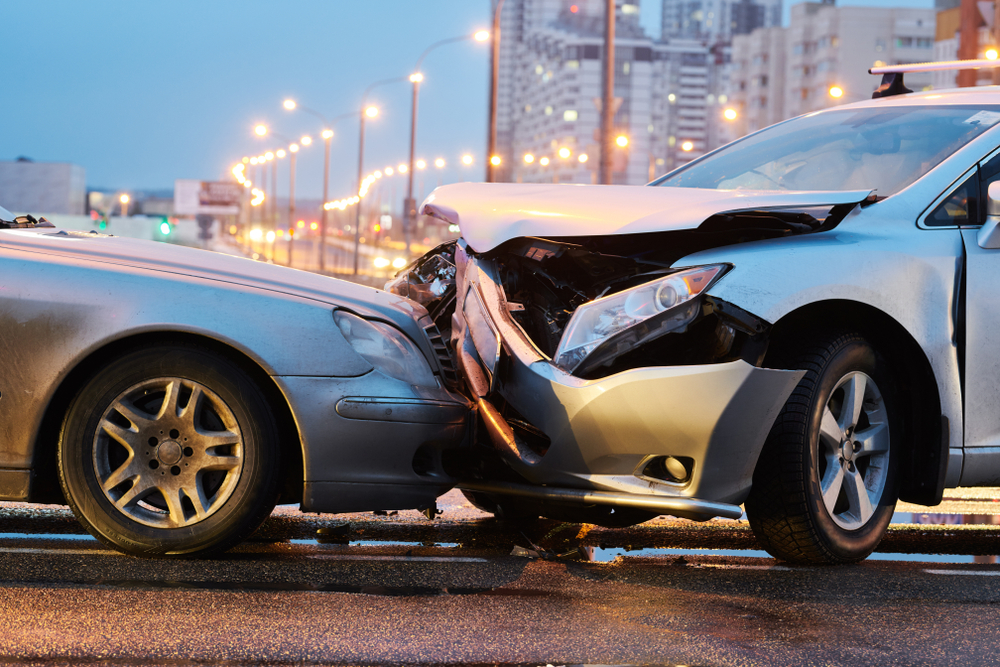
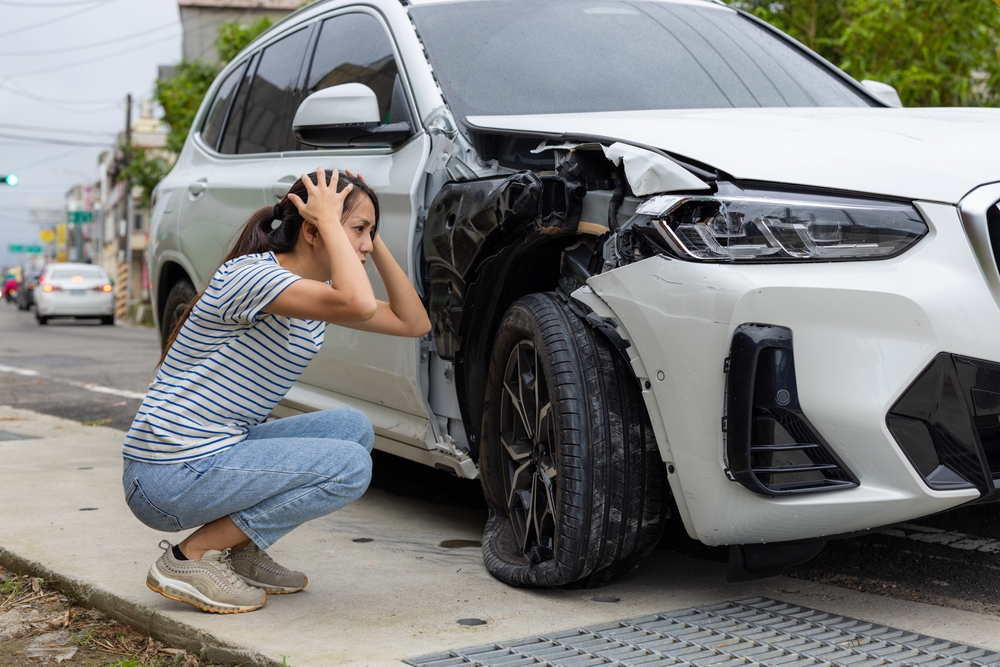
In auto and trucking cases, courts routinely exclude evidence showing what a defendant did after a collision, including:
- Repairs to vehicles made after the crash, such as brake work or mechanical fixes
- Installation of new safety features after an accident
- Post-crash maintenance or adjustments to vehicles or equipment
- Changes to fleet policies, training programs, or safety protocols implemented later
Even if these changes suggest a problem existed before the crash, they cannot be used to argue the defendant was negligent at the time of the incident.
Premises Liability Cases
In slip-and-fall and unsafe property cases, § 1151 often bars evidence of:
- Fixing broken steps, railings, or handrails after an injury
- Installing warning signs, lighting, or barriers following a fall
- Repairing flooring, walkways, or stairways after the incident
- Updating safety or inspection procedures once someone is hurt
Courts exclude this evidence to avoid hindsight bias, even when repairs appear to confirm a prior hazard.
Product Liability & Equipment Cases
In product-related injury cases, courts frequently exclude evidence of:
- Product redesigns or safety modifications made after an injury
- Updated warnings, labels, or instruction manuals
- Engineering changes, recalls, or retrofits implemented later
The rule prevents juries from assuming that later improvements equal earlier wrongdoing.
Why § 1151 Matters Across All Injury Cases
Across all case types, § 1151 reflects a consistent principle:
Safety improvements should not be punished or treated as admissions of fault.
By excluding evidence of subsequent repairs, courts:
Keep juries focused on conditions at the time of the accident
Encourage safer conditions going forward
Prevent unfair hindsight reasoning
What Evidence Code § 1151 Does Not Prohibit
Evidence Code § 1151 has important limits. Subsequent repair evidence may still be admissible for other purposes, including:
- Ownership or control, if disputed
- Feasibility of precautionary measures, when the defendant claims repairs were impossible
- Impeachment, if a witness makes misleading statements
Even then, courts often apply Evidence Code § 352 to prevent unfair prejudice.
Why Courts Exclude Subsequent Repairs
The policy behind § 1151 is straightforward:
- Encourage safety improvements
- Avoid discouraging repairs
- Prevent hindsight bias
- Keep juries focused on conditions at the time of the incident
The rule protects both public safety and trial fairness.
Evidence Code § 1151 vs. Evidence Code § 352
These statutes often work together:
| Evidence Code § 1151 | Evidence Code § 352 |
|---|---|
| Substantive exclusion rule | Balancing rule |
| Focuses on repairs after injury | Focuses on prejudice |
| Encourages safety | Protects jury fairness |
| Threshold admissibility | Discretionary safeguard |
Even admissible repair evidence may still be excluded under § 352.
Why § 1151 Matters in Personal Injury Trials
Personal injury cases are often influenced by hindsight. Without § 1151:
- Jurors might assume repairs equal guilt
- Defendants would be penalized for improving safety
- Trials would focus on what happened after the accident
Section 1151 keeps jurors focused on what existed at the time of injury.
How WIN Trial Lawyers Uses Evidence Code § 1151
At WIN Trial Lawyers, we understand both the limits and exceptions of § 1151. We use it to:
- Anticipate and defeat improper defense objections
- Identify admissible alternative uses of repair evidence
- Pair § 1151 with § 352 strategically
- Frame compelling, legally sound trial arguments
Knowing when repair evidence is admissible—and when it is not—can shape an entire case.
Get Help From WIN Injury & Accident Trial Lawyers
Why Legal Representation Matters
Insurance companies often undervalue pain and suffering—offering minimal settlements that ignore your daily struggles. A skilled attorney can:
- Present powerful evidence of your emotional and physical suffering
- Retain expert witnesses to quantify your losses
- Use verdict data to justify higher multipliers or per diem rates
- Argue your case persuasively before a jury
At WIN Trial Lawyers, our team fights to ensure that your recovery reflects the full extent of your suffering—not just your bills.

At WIN Trial Lawyers, we know how personal injury claims can be can be. Victims often face mounting medical bills, lost wages, and emotional trauma. Our team has successfully taken on insurance companies and third parties, recovering millions for injured clients.
If you or a loved one has been injured in an accident, don’t leave your future in the hands of the insurance company. You need experienced trial lawyers who know how to prove liability and fight for maximum compensation.
If you or a loved one has been injured, don’t face this alone. The sooner you act, the stronger your case will be.
🔗 Related Posts:
Frequently Asked Questions About California Evidence Code § 1151
What is California Evidence Code § 1151?
Evidence Code § 1151 generally prohibits evidence of repairs, changes, or safety improvements made after an accident from being used to prove negligence, fault, or product defect.
What are “subsequent repairs”?
Subsequent repairs are measures taken after an injury or accident, such as fixing a hazard, repairing equipment, redesigning a product, or updating safety procedures.
Why does the law exclude evidence of subsequent repairs?
The rule is based on public policy. The law wants to:
- Encourage safety improvements
- Avoid discouraging repairs
- Prevent hindsight bias
- Ensure cases are judged based on conditions at the time of the accident
Does § 1151 apply in personal injury cases?
Yes. It is commonly applied in car accidents, premises liability, product liability, and workplace injury cases.
Can a jury hear about repairs made after an accident?
Generally no—not to prove negligence or fault. Courts usually exclude that evidence under § 1151.
Does § 1151 mean repairs never happened?
No. The statute does not deny that repairs occurred. It limits how that fact can be used at trial.
Can subsequent repairs be used to prove negligence?
No. Evidence of repairs made after an accident cannot be used to argue the defendant was negligent at the time of the incident.
Does § 1151 apply to car accident cases?
Yes. Courts often exclude evidence such as:
- Vehicle repairs after a crash
- Post-accident mechanical adjustments
- New safety features added later
- Policy or training changes made after the collision
Does § 1151 apply to premises liability cases?
Yes. In slip-and-fall cases, courts frequently exclude evidence of:
- Fixing steps or handrails
- Installing warning signs after a fall
- Repairing flooring or walkways
- Improving lighting or barriers later
Does § 1151 apply to product liability cases?
Often yes. Courts may exclude:
- Product redesigns
- Updated warnings or manuals
- Engineering changes
- Post-injury recalls
when offered to prove a defect existed before the injury.
Are there any exceptions to Evidence Code § 1151?
Yes. Evidence of subsequent repairs may be admissible for limited purposes, such as proving:
- Ownership or control, if disputed
- Feasibility of safety measures, if the defendant claims repairs were impossible
- Impeachment, if a witness gives misleading testimony
Can repair evidence be used to show feasibility?
Yes—but only if the defendant argues that a safety measure could not have been implemented before the accident.
Can subsequent repairs be used to impeach a witness?
Sometimes. If a witness falsely claims no repairs were possible or needed, repair evidence may be allowed to challenge credibility.
Is repair evidence automatically admissible under an exception?
No. Even if an exception applies, courts still evaluate the evidence under Evidence Code § 352.
How does Evidence Code § 352 interact with § 1151?
Section 352 allows courts to exclude repair evidence if it would:
- Unfairly prejudice the jury
- Confuse the issues
- Waste time
Even admissible repair evidence can still be excluded.
Who decides whether § 1151 applies?
The trial judge, usually through motions in limine before trial.
Can a plaintiff mention repairs during opening statements?
Usually no, unless the court has already ruled the evidence admissible for a limited purpose.
Does § 1151 protect defendants unfairly?
No. The rule promotes safety by ensuring defendants are not punished for fixing dangerous conditions.
Does § 1151 apply equally to plaintiffs and defendants?
Yes. The statute applies to all parties in civil cases.
Can insurance companies rely on § 1151?
Yes. Insurers frequently invoke § 1151 to prevent juries from hearing about post-accident repairs.
Why is § 1151 important in jury trials?
Because jurors may naturally assume:
“If they fixed it later, they must have done something wrong.”
Section 1151 prevents that improper inference.
Can a case still be proven without repair evidence?
Yes. Plaintiffs prove negligence using:
- Conditions existing before the accident
- Witness testimony
- Expert opinions
- Photographs and records from the time of injury
How does § 1151 affect trial strategy?
It shapes:
- Discovery decisions
- Motions in limine
- Opening statements
- Evidence presentation
- Jury instructions
How does WIN Trial Lawyers use Evidence Code § 1151?
WIN uses § 1151 to:
- Anticipate evidentiary objections
- Identify permissible exceptions
- Exclude improper defense arguments
- Keep juries focused on what mattered at the time of injury
What is the key takeaway of Evidence Code § 1151?
Fixing a problem after an accident is not an admission of fault.