
What Does Evidence Code § 1521 Say?
California Evidence Code § 1521 governs when a party may introduce secondary evidence—such as copies, photographs, summaries, or testimony—instead of the original document or item.
In plain terms, the statute answers this question:
What happens when the original evidence is unavailable?
The law recognizes a practical reality: original documents are often lost, destroyed, or unavailable, especially in personal injury and car accident cases.
The Rule Behind Evidence Code § 1521 (Simplified)
Under Evidence Code § 1521, secondary evidence of the content of a writing is admissible unless:
- A genuine dispute exists concerning the material terms of the writing, and
- Justice requires exclusion of the secondary evidence
Courts focus on fairness and reliability, not rigid formalities.
What Is “Secondary Evidence”?
Secondary evidence includes:
- Photocopies or scanned copies
- Photographs of documents
- Electronic records or PDFs
- Summaries of documents
- Testimony describing the contents of a document
The statute exists to prevent cases from collapsing simply because the original item no longer exists.
How § 1521 Applies in Personal Injury & Car Accident Cases
Secondary evidence issues arise frequently in injury litigation, where documents change hands quickly or are not preserved.
Car Accident Cases
In auto and trucking cases, courts often admit secondary evidence such as:
- Copies of insurance policies
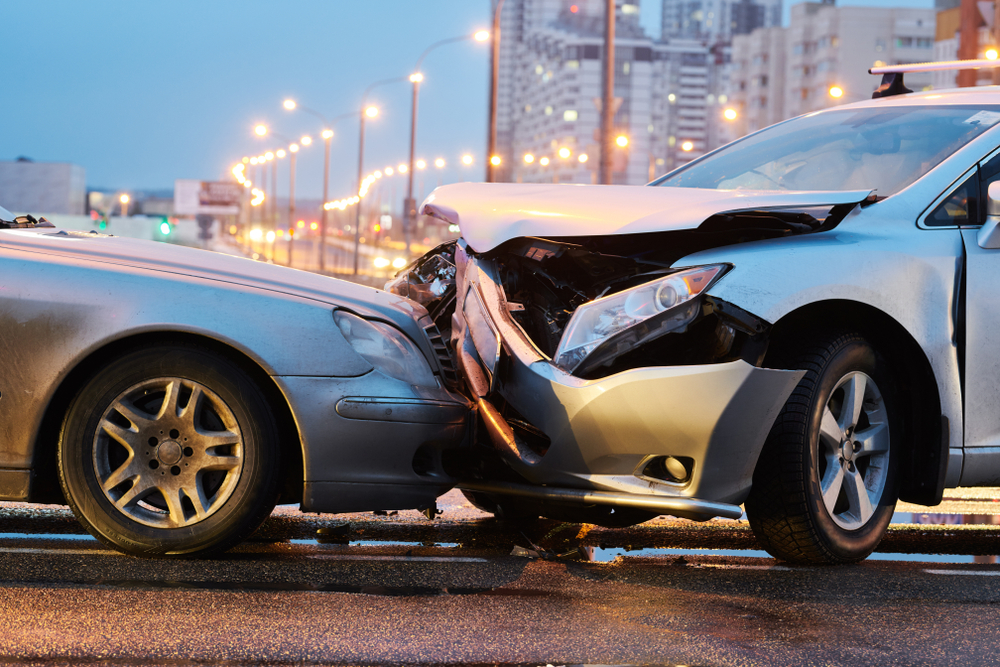
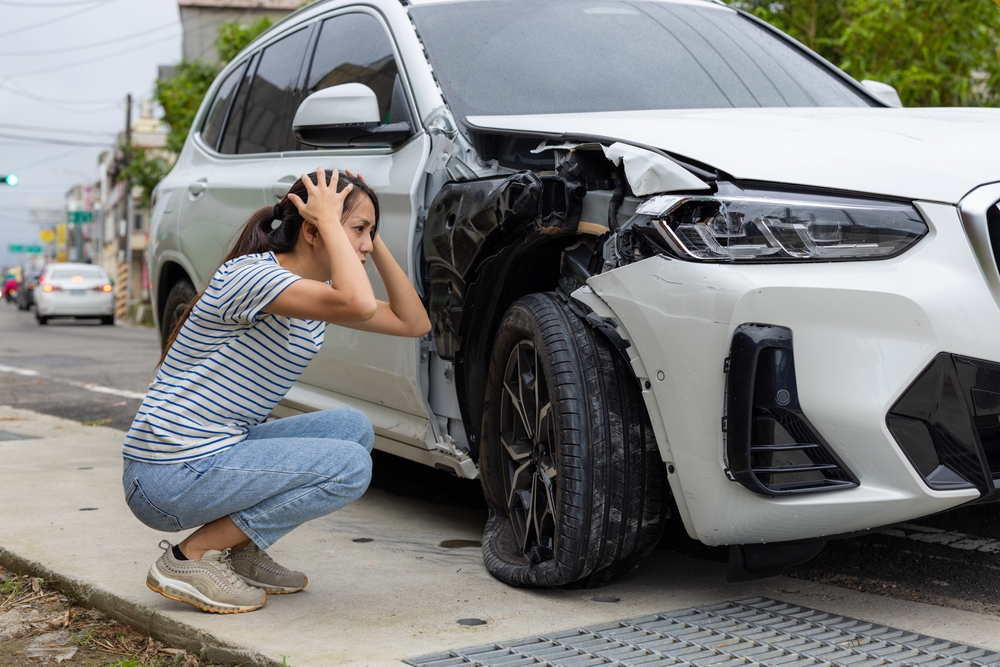
- Photographs of vehicle damage when the car was later repaired or totaled
- Repair estimates or invoices when originals are unavailable
- Copies of tow records or storage receipts
- Screenshots of dashcam or phone records
These materials often form the backbone of liability and damages proof.
Medical Records & Billing Evidence
Medical evidence is commonly admitted through secondary forms, including:
- Scanned medical records
- Electronic health records
- Copies of billing statements
- Summaries of treatment histories
As long as reliability is established, originals are not required.
Employment, Wage & Economic Evidence
Secondary evidence is frequently used to prove:
- Lost wages
- Employment records
- Payroll summaries
- Tax documents
This is especially important when employers or third parties fail to preserve originals.
What Evidence Code § 1521 Does Not Allow
Courts may exclude secondary evidence if:
- There is a serious dispute over the contents of the original
- The secondary evidence appears unreliable
- Admission would be unfair or misleading
- The evidence is offered in bad faith
The statute balances practicality with fairness.
Evidence Code § 1521 vs. the “Best Evidence” Rule
California law relaxed the traditional best evidence rule.
| Concept | Purpose |
|---|---|
| Traditional rule | Required original documents |
| EC § 1521 | Allows secondary evidence |
| Focus | Reliability and fairness |
| Goal | Prevent injustice |
The emphasis is on substance, not form.
How Courts Decide Whether to Admit Secondary Evidence
Judges consider:
- Why the original is unavailable
- Whether the copy is accurate
- Whether the opposing party is unfairly prejudiced
- Whether the evidence appears trustworthy
Minor disputes usually go to weight, not admissibility.
Common Defense Challenges to Secondary Evidence
Defense attorneys often argue:
- The original should have been produced
- The copy is incomplete or inaccurate
- The evidence is unreliable
- There is a dispute over material terms
Proper foundation defeats these objections.
How WIN Injury & Accident Trial Lawyers Uses Evidence Code § 1521
At WIN Injury & Accident Trial Lawyers, we use § 1521 to:
- Admit copies when originals no longer exist
- Prevent technical objections from blocking justice
- Ensure juries hear the substance of the evidence
- Keep cases focused on facts—not paperwork
The law does not reward document destruction or poor recordkeeping.
Get Help From WIN Injury & Accident Trial Lawyers
Why Legal Representation Matters
Insurance companies often undervalue pain and suffering—offering minimal settlements that ignore your daily struggles. A skilled attorney can:
- Present powerful evidence of your emotional and physical suffering
- Retain expert witnesses to quantify your losses
- Use verdict data to justify higher multipliers or per diem rates
- Argue your case persuasively before a jury
At WIN Trial Lawyers, our team fights to ensure that your recovery reflects the full extent of your suffering—not just your bills.
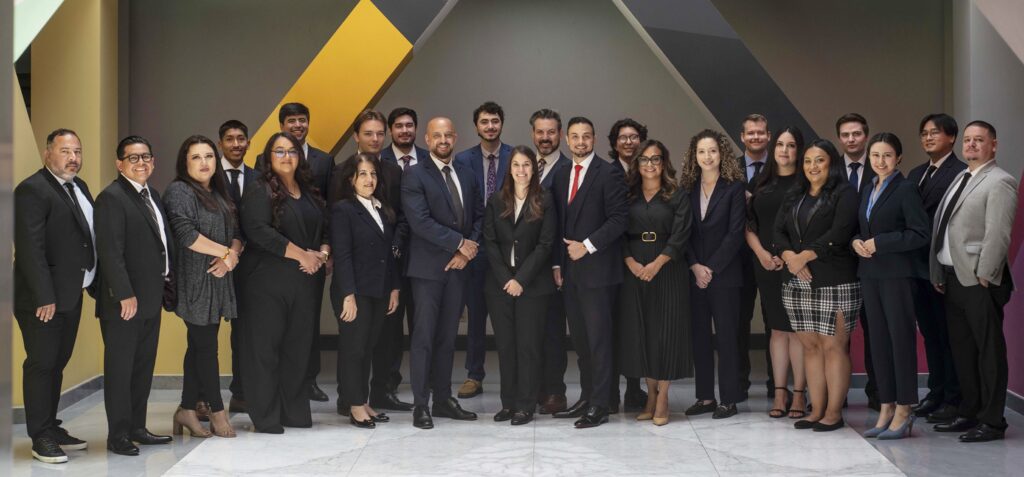
At WIN Trial Lawyers, we know how personal injury claims can be can be. Victims often face mounting medical bills, lost wages, and emotional trauma. Our team has successfully taken on insurance companies and third parties, recovering millions for injured clients.
If you or a loved one has been injured in an accident, don’t leave your future in the hands of the insurance company. You need experienced trial lawyers who know how to prove liability and fight for maximum compensation.
If you or a loved one has been injured, don’t face this alone. The sooner you act, the stronger your case will be.
🔗 Related Posts:
Frequently Asked Questions (FAQs)
What is California Evidence Code § 1521?
It allows secondary evidence of a document’s contents when the original is unavailable.
Does secondary evidence apply in personal injury cases?
Yes. It is frequently used in injury and car accident litigation.
Do you always need the original document?
No. California law allows reliable copies and summaries.
Can copies be excluded?
Yes—if fairness or reliability is genuinely in dispute.
Who decides whether secondary evidence is admissible?
The trial judge.
Does § 1521 apply to electronic documents?
Yes. Digital copies and electronic records qualify as secondary evidence.
Is secondary evidence less persuasive than originals?
Not necessarily. Credibility and reliability determine weight.
Can secondary evidence be excluded under Evidence Code § 352?
Yes, if it would mislead or unfairly prejudice the jury.
Why is § 1521 important?
Because cases should be decided on facts, not missing paperwork.