What Does Evidence Code § 1250 Say?
California Evidence Code § 1250 allows certain out-of-court statements made by a deceased person to be admitted into evidence—even though the person cannot testify at trial.
This statute is a critical exception to the hearsay rule and frequently arises in wrongful death and serious injury cases, where the most important witness is no longer alive.
In plain terms, § 1250 recognizes a basic reality:
A case does not disappear simply because the victim cannot testify.
The Rule Behind Evidence Code § 1250 (Simplified)
Under Evidence Code § 1250, a deceased person’s statement may be admitted if:
- The statement describes the declarant’s own physical condition, mental state, or intent, and
- The statement was made in a natural manner, without motive to fabricate, and
- The statement is relevant to an issue in the case
Courts still carefully evaluate reliability, but the statute exists to prevent injustice when a key witness is unavailable.
How § 1250 Applies in Personal Injury & Wrongful Death Cases
In many catastrophic injury or wrongful death cases, the injured person spoke about what happened before passing away. Section 1250 allows juries to hear those statements when they meet reliability standards.
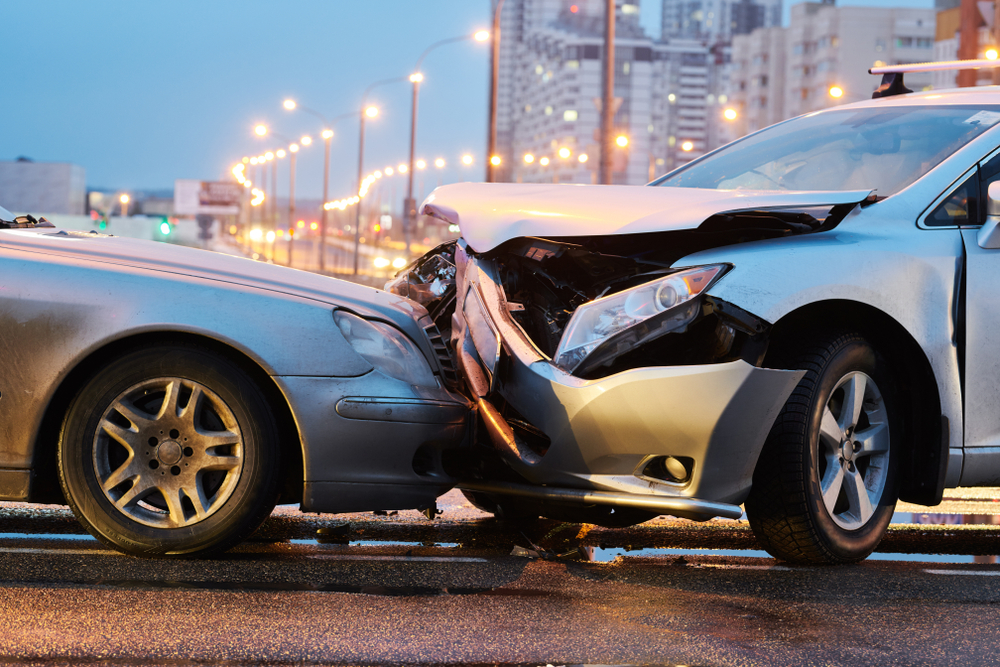
Car Accident & Wrongful Death Cases
In fatal crash cases, courts may admit statements such as:
- What the victim said about how the crash occurred
- Complaints of pain or injury after the collision
- Statements about being struck, cut off, or hit
- Expressions of fear or awareness before the impact
These statements can be critical when there are no surviving eyewitnesses.
Medical Condition & Pain Statements
Statements describing physical condition are among the most common § 1250 evidence, including:
- Complaints of pain, dizziness, or breathing difficulty
- Statements about worsening symptoms
- Expressions of physical distress
- Statements explaining why medical care was needed
These statements help establish causation and severity of injury.
Mental State, Intent & Awareness
Section 1250 also permits statements showing:
- Fear, anxiety, or awareness of danger
- Intent to act or avoid danger
- Mental clarity or confusion
- Understanding of what caused harm
These statements may be relevant to liability, damages, and foreseeability.
What Evidence Code § 1250 Does Not Allow
Not every statement by a deceased person comes in.
Courts generally exclude:
- Speculative opinions
- Statements made with a motive to lie
- Narrative reconstructions meant to assign legal blame
- Statements made under suspicious circumstances
Judges still act as gatekeepers to ensure fairness.
Evidence Code § 1250 vs. General Hearsay Rules
| Rule | Purpose |
|---|---|
| Hearsay rule | Excludes out-of-court statements |
| EC § 1250 | Allows reliable statements of deceased |
| EC § 1240 | Excited utterance exception |
| EC § 1220 | Party admissions |
Section 1250 is often used in combination with other hearsay exceptions.
Why § 1250 Is Especially Important in Wrongful Death Cases
Wrongful death cases often involve:
- No testimony from the victim
- Limited eyewitness evidence
- Conflicting accounts from defendants
Section 1250 ensures the jury can still hear the victim’s own words, when reliable.
How Courts Evaluate Reliability Under § 1250
Judges commonly consider:
- Timing of the statement
- Whether the statement was spontaneous
- The declarant’s physical and mental condition
- Whether the statement was consistent with other evidence
- Whether there was any motive to fabricate
Reliability—not sympathy—drives admissibility.
Evidence Code § 1250 and Evidence Code § 352
Even admissible statements under § 1250 may still be excluded under Evidence Code § 352 if they are:
- Overly prejudicial
- Cumulative
- Confusing or misleading
Courts balance fairness against probative value.
How WIN Trial Lawyers Uses Evidence Code § 1250
At WIN Trial Lawyers, we use § 1250 to:
- Preserve and admit critical statements of deceased victims
- Establish causation and pain and suffering
- Counter defense narratives when the victim cannot testify
- Ensure juries hear reliable, human evidence—not just documents
Justice should not depend on whether a victim survived long enough to testify.
Get Help From WIN Injury & Accident Trial Lawyers
Why Legal Representation Matters
Insurance companies often undervalue pain and suffering—offering minimal settlements that ignore your daily struggles. A skilled attorney can:
- Present powerful evidence of your emotional and physical suffering
- Retain expert witnesses to quantify your losses
- Use verdict data to justify higher multipliers or per diem rates
- Argue your case persuasively before a jury
At WIN Trial Lawyers, our team fights to ensure that your recovery reflects the full extent of your suffering—not just your bills.
At WIN Trial Lawyers, we know how personal injury claims can be can be. Victims often face mounting medical bills, lost wages, and emotional trauma. Our team has successfully taken on insurance companies and third parties, recovering millions for injured clients.
If you or a loved one has been injured in an accident, don’t leave your future in the hands of the insurance company. You need experienced trial lawyers who know how to prove liability and fight for maximum compensation.
If you or a loved one has been injured, don’t face this alone. The sooner you act, the stronger your case will be.
🔗 Related Posts:
Frequently Asked Questions About California Evidence Code 1250
What is California Evidence Code § 1250?
Evidence Code § 1250 is a hearsay exception that allows certain statements made by a deceased person to be admitted into evidence, even though the person cannot testify at trial.
Why does Evidence Code § 1250 exist?
The statute recognizes that justice should not depend on whether a victim survived long enough to testify. It allows juries to hear reliable statements from someone who has passed away.
Does § 1250 apply only in wrongful death cases?
No. It applies in any civil case where the declarant is deceased, including personal injury cases where the victim later died from related or unrelated causes.
What kinds of statements are admissible under § 1250?
Statements describing the deceased person’s:
- Physical condition (pain, injury, symptoms)
- Mental or emotional state (fear, awareness, confusion)
- Intent or state of mind
Are statements about pain or symptoms admissible?
Yes. Statements such as “my chest hurts,” “I can’t breathe,” or “my leg is broken” are commonly admitted under § 1250.
Can statements describing how an accident happened be admitted?
Sometimes. Courts scrutinize these carefully, but statements explaining what the declarant perceived may be admissible if they are reliable and not speculative.
Are opinions or speculation by the deceased admissible?
Generally no. Courts usually exclude speculative opinions or legal conclusions, such as blaming fault or guessing motives.
Do the statements have to be made right before death?
No. Timing is important, but statements do not need to be made immediately before death. Courts look at context, reliability, and motive.
Who can testify about the deceased’s statements?
Often:
- Medical providers
- First responders
- Family members
- Friends or caregivers
as long as the statements meet the statute’s requirements.
Can medical records include admissible § 1250 statements?
Yes. Medical records often contain patient statements about pain or symptoms that are admissible under § 1250.
Can family members repeat what the deceased told them?
Sometimes. Courts evaluate:
- When the statement was made
- Whether it was spontaneous
- Whether there was any motive to fabricate
Are all statements by a deceased person automatically admissible?
No. Courts act as gatekeepers and exclude statements that lack reliability or relevance.
What does “state of mind” mean under § 1250?
It refers to the declarant’s:
- Fear or awareness of danger
- Intent to act or avoid harm
- Mental clarity or confusion
These statements can be relevant to liability and damages.
Can § 1250 be used to prove causation?
Yes, particularly when statements describe symptoms, pain, or events closely tied to the injury.
Can § 1250 statements be used to prove negligence?
They may support negligence indirectly, but courts do not allow statements that simply assign blame or make legal conclusions.
How does § 1250 differ from the excited utterance rule?
- EC § 1240 (Excited Utterance): Requires stress or excitement
- EC § 1250: Focuses on state of mind or physical condition and reliability
They are often used together.
Can a statement qualify under more than one hearsay exception?
Yes. A statement may be admissible under § 1250 and another exception, such as excited utterance or medical diagnosis.
Does Evidence Code § 352 still apply?
Yes. Even if a statement qualifies under § 1250, courts may exclude it if it is:
- Unduly prejudicial
- Cumulative
- Confusing or misleading
Who decides whether § 1250 applies?
The trial judge, usually through motions in limine or evidentiary hearings.
Can defense attorneys challenge § 1250 statements?
Yes. Common challenges include claims that the statement was unreliable, speculative, or made with a motive to fabricate.
Why is § 1250 especially important in wrongful death cases?
Because the victim cannot testify, and § 1250 allows juries to hear the victim’s own words rather than only the defendant’s version of events.
Can § 1250 statements support pain and suffering damages?
Yes. Statements describing pain, fear, or distress are often central to pain and suffering claims.
Can § 1250 apply if death was unrelated to the accident?
Yes, as long as the declarant is deceased and the statement is relevant and reliable.
Can written statements be admitted under § 1250?
Yes. Both oral and written statements may qualify, depending on context and reliability.
Does § 1250 apply in jury trials and bench trials?
Yes. It applies in all civil proceedings.
What is the biggest mistake lawyers make with § 1250?
Assuming all statements of a deceased person automatically come in. Reliability still matters.
How does WIN Trial Lawyers use Evidence Code § 1250?
WIN uses § 1250 to:
- Preserve critical statements of deceased victims
- Establish causation and damages
- Counter defense narratives
- Ensure juries hear reliable, human evidence
What is the key takeaway of Evidence Code § 1250?
A case does not lose its voice simply because the victim is no longer alive.